
You turn on the tap, and the water runs dark. It’s unsettling — and it should be. Black or very dark water is your plumbing system sending a distress signal. Here’s how to read it.
The good news: not every case of black tap water is a crisis. The bad news: every case needs investigating. Drinking or cooking with contaminated water before you know the cause is a risk you don’t want to take. This guide walks through the six most likely causes, what the health risks actually are, and what you should do right now.
In This Article
6 reasons your tap water is black
1. Corroded or deteriorating pipes
Older galvanized steel and cast iron pipes corrode from the inside out. Over decades, the inner walls break down and release dark flakes and sediment into the water supply. If your home was built before the 1980s and you’ve never had the pipes inspected, this is your most likely culprit — especially if multiple taps are affected.
2. Manganese or iron in the water
Both manganese and iron occur naturally in groundwater. At high concentrations, they oxidize inside pipes and water heaters, producing a dark — sometimes jet-black — coloration. The EPA lists both as secondary drinking water contaminants regulated mainly for taste, staining, and appearance rather than acute toxicity. This is particularly common in homes supplied by private wells. Manganese is the more likely of the two to produce truly black water.
3. Mold, mildew, or bacteria
When water sits stagnant in pipes — while you’re on vacation, for example — mold, mildew, or sulfate-reducing bacteria can take hold. These organisms produce black or grey discoloration and sometimes a rotten-egg smell. This cause is less common but more immediately concerning from a health perspective.
4. A failing water heater
If the dark water only appears on the hot tap, point your attention at the water heater. A deteriorating anode rod or thick sediment at the bottom of the tank can shed dark particles into your hot water line. Annual flushing prevents this — but most people skip it.
5. Degrading rubber or plastic components
Gaskets, washers, and flexible supply hoses made from lower-quality rubber compounds break down over time, shedding tiny black particles into the water. This kind of discoloration is usually isolated to a single tap or fixture and is one of the cheaper problems to fix.
6. Disturbance in the municipal supply
Maintenance work, pressure changes, or emergency pipe repairs in the mains supply can dislodge accumulated sediment and push it temporarily into your home. If neighbors are experiencing the same issue, this is almost certainly the cause — and it usually resolves itself within a few hours.
Is black tap water actually dangerous?
It depends on the source. Rust particles from corroded pipes are unlikely to cause acute illness from brief exposure, but long-term ingestion of elevated iron and manganese has been linked to neurological effects, particularly in young children and pregnant women. Bacterial contamination from mold or biofilm growth is more immediately dangerous and demands urgent action.
How to figure out what's causing it
Before you call anyone, run through these quick checks. They won’t give you a definitive answer, but they’ll point you in the right direction.
- Run cold and hot water from the same tap separately. Black water on hot only = water heater. Both = pipes or supply.
- Test every tap in the house. One affected fixture points to a local problem — the aerator, washer, or supply hose for that fitting.
- Think about whether you’ve been away. Stagnant water dramatically increases the risk of biological growth.
- Ask a neighbor or check your water supplier’s social media. A mains issue will affect multiple homes at once.
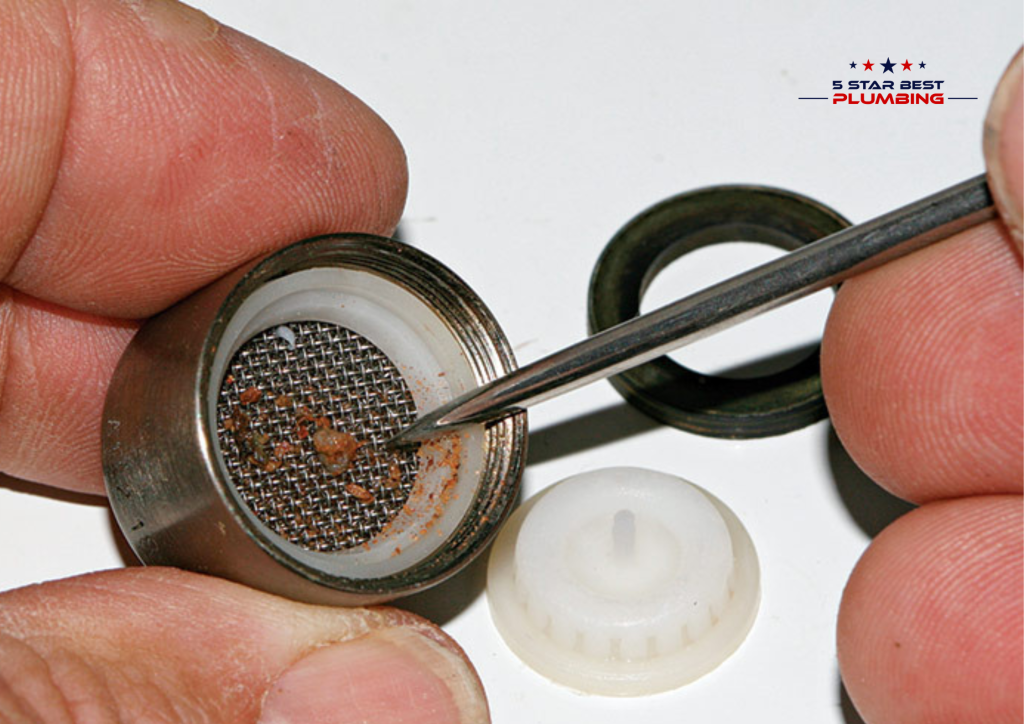
- Unscrew the aerator at the tip of the faucet and inspect it. Dark deposits stuck there can discolor the water without anything being wrong deeper in the system.
What to do about it
Flush the system
Open all cold taps and let them run for several minutes. This clears dislodged sediment from minor disturbances or mains supply issues. Do the same after any extended period away from home.
Clean or replace the aerator
Unscrew the small aerator at the tip of the affected faucet and soak it in white vinegar for 30 minutes, then rinse. If it’s clogged with black debris, replace it — they cost a few dollars and take two minutes to swap out.
Get a water test
A professional water test will identify elevated manganese, iron, bacteria, and other contaminants. This is the most reliable way to understand exactly what you’re dealing with and what treatment — if any — is needed.
Service the water heater
If the problem is on the hot side only, have a plumber flush the tank, check the anode rod, and inspect for internal corrosion. A water heater that hasn’t been serviced in years is a prime suspect.
Consider repiping
If your home has old galvanized steel pipes and multiple fixtures are producing dark water, repiping with copper or PEX is often the most cost-effective long-term solution. A licensed plumber can assess the extent of corrosion and give you an honest view of what’s worth fixing versus replacing.
When to call a plumber immediately
Don’t wait if any of the following apply:
- Multiple faucets are producing black water and flushing doesn’t clear it
- The water smells of rotten eggs or sewage
- Anyone in the house feels unwell after using the water
- The discoloration returns consistently after flushing
- Your home has pipework older than 40 years that’s never been inspected
FAQs
Is black water from the faucet an emergency?
Not always — but it should never be ignored. If the water clears after a few minutes of flushing and stays clear, it may have been a one-off disturbance. If it persists or comes with an odour, stop using it and get a plumber to assess the situation.
Why does only my hot water run black?
When only the hot tap is affected, the water heater is almost always the source. The most likely causes are a deteriorating anode rod, heavy sediment at the base of the tank, or internal corrosion. A plumber can flush the tank and replace the anode rod, or advise on replacement if the unit is near end of life.
Can black water damage my appliances?
Yes. Sediment and mineral deposits progressively clog washing machine filters, dishwasher spray arms, and water heater components. Left unaddressed, consistent dark water will accelerate wear across any appliance connected to your supply.
How do I remove manganese from my water?
Manganese can be removed through whole-house filtration — oxidising filters using greensand or birm media, activated carbon systems, or reverse osmosis. The right choice depends on the concentration level in your water test. A plumber or water treatment specialist can recommend the best system for your home.