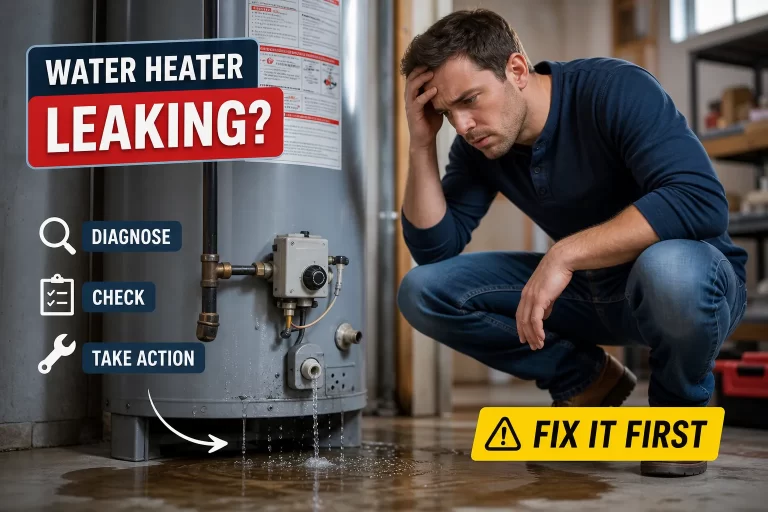
Every winter, thousands of homeowners across the United States wake up to one of the most dreaded plumbing emergencies imaginable — a burst pipe. What starts as a frozen pipe can quickly turn into a catastrophic flood that damages floors, walls, ceilings, furniture, and personal belongings in a matter of minutes. The average cost of water damage from a burst pipe is over $10,000 — and that doesn’t include the stress, disruption, and time it takes to restore your home to normal.
The good news is that frozen and burst pipes are almost entirely preventable. With the right preparation and a few simple pro tips, you can protect your home’s plumbing system from freezing temperatures and avoid one of the most costly plumbing disasters a homeowner can face. In this guide, we’ll walk you through everything you need to know about preventing frozen pipes — and what to do if the worst happens anyway.
Why Do Pipes Freeze and Burst?
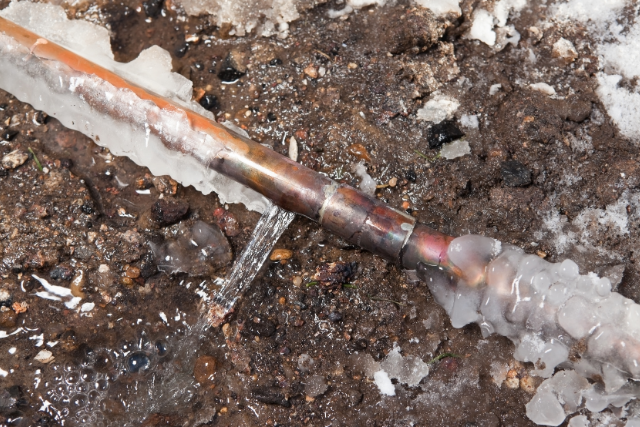
Before diving into prevention, it helps to understand exactly what happens when a pipe freezes. Water expands when it freezes — by about 9% in volume. When water inside a pipe freezes and expands, it creates intense pressure inside the pipe that the pipe walls simply cannot withstand. That pressure has to go somewhere, and when it does, the pipe cracks or bursts completely.
The pipes most vulnerable to freezing are those located in unheated or poorly insulated areas of your home — outdoor hose bibs, pipes in unheated garages, pipes running through exterior walls, pipes in crawl spaces, and pipes in attics and basements that don’t receive adequate heat. Pipes can begin to freeze when outdoor temperatures drop below 20°F, though even temperatures in the upper 20s can be dangerous for poorly insulated pipes.
10 Pro Tips to Prevent Frozen Pipes This Winter
1. Insulate Your Pipes Before Cold Weather Hits
The single most effective thing you can do to prevent frozen pipes is to insulate any pipes that run through unheated or exposed areas of your home. Foam pipe insulation sleeves are inexpensive, easy to install, and available at any hardware store. Simply measure the diameter of your pipes, purchase the appropriate sleeve size, and slide them over the exposed pipe sections.
Pay particular attention to pipes in your garage, attic, crawl space, and basement, as well as pipes that run along exterior walls. These are the areas where temperatures drop the lowest and where insulation makes the biggest difference. For extremely vulnerable pipes in very cold climates, consider using electric heat tape in addition to foam insulation for maximum protection.
2. Keep Your Thermostat Set Consistently
One of the most common mistakes homeowners make during cold snaps is turning the heat down too low at night or when they leave the house. While it’s tempting to save on heating costs, allowing your home’s interior temperature to drop significantly creates conditions where pipes in exterior walls and unheated spaces can freeze.
During cold weather, keep your thermostat set to at least 55°F at all times — even when you’re away or sleeping. The small increase in your heating bill is a fraction of what a burst pipe repair would cost. If you’re leaving for an extended period, consider asking a trusted neighbor to check on your home or installing a smart thermostat that allows you to monitor and adjust your home’s temperature remotely.
3. Let Your Faucets Drip
When temperatures are forecast to drop dangerously low overnight, allowing your faucets to drip slowly is one of the most effective and easiest prevention strategies available. Moving water — even a very slow trickle — is significantly harder to freeze than standing water. The continuous movement relieves pressure buildup in the pipes, reducing the risk of a burst even if the water does begin to freeze.
Focus on faucets connected to pipes that run through exterior walls or unheated spaces. Both hot and cold water lines should be allowed to drip, as both are vulnerable to freezing. The amount of water used is minimal and well worth the protection it provides.
4. Open Cabinet Doors Under Sinks
Pipes under kitchen and bathroom sinks — particularly those located on exterior walls — are vulnerable to freezing because the cabinet doors block warm air from reaching them. During periods of extreme cold, open the cabinet doors under your sinks to allow the warm air from your home’s heating system to circulate around the pipes.
This is a simple, completely free step that many homeowners overlook. Combined with letting faucets drip, opening cabinet doors under sinks significantly reduces the risk of freezing in one of the most common problem areas in the home.
5. Seal Cracks and Gaps in Your Home's Exterior
Cold air that seeps into your home through cracks, gaps, and penetrations in the exterior walls can dramatically lower the temperature around pipes running through those walls. Walk around the exterior of your home and look for any gaps or cracks around where pipes, wires, and cables enter the building. Use caulk or spray foam insulation to seal these openings and prevent cold air infiltration.
Don’t forget to check areas where pipes pass through the foundation, around dryer vents, and at the corners of your home’s exterior walls. These are common entry points for cold air that can lead directly to frozen pipes.
6. Disconnect and Drain Outdoor Hoses and Hose Bibs
Outdoor garden hoses should be disconnected and stored indoors before the first freeze of the season. Water left in a connected hose can freeze and back up into the hose bib and the supply pipe inside your home — causing both to freeze and potentially burst.
After disconnecting your hoses, shut off the indoor valve that supplies your outdoor hose bibs and open the outdoor faucet to allow any remaining water to drain out completely. If your home doesn’t have a separate shutoff for outdoor faucets, consider having a licensed plumber install frost-free hose bibs, which are specifically designed to prevent freezing.
7. Keep Your Garage Door Closed
If your garage has water supply lines running through it — which is common in homes where the laundry room, utility sink, or water heater is located in the garage — keeping the garage door closed during cold weather is essential. An open garage door allows frigid outdoor air to flood the space, rapidly dropping the temperature around any exposed pipes.
Even if your garage doesn’t contain water lines, the walls between your garage and your living space often contain pipes. Keeping the garage door closed helps maintain a warmer temperature throughout the connected structure.
8. Add Extra Insulation to Vulnerable Areas
Beyond pipe insulation, adding insulation to the walls, floors, and ceilings of areas where pipes are located can make a significant difference in how cold those spaces get during winter. Crawl spaces and attics in particular are often poorly insulated and can reach dangerously low temperatures during extreme cold events.
Adding insulation to these areas not only protects your pipes — it also improves your home’s overall energy efficiency and reduces heating costs year-round. If your home is older and hasn’t been re-insulated recently, it may be worth having an energy audit performed to identify areas where additional insulation would be most beneficial.
9. Know Where Your Main Water Shutoff Valve Is
This tip isn’t about preventing pipes from freezing — it’s about minimizing the damage if one does burst. Every homeowner should know exactly where their main water shutoff valve is located and how to operate it. In the event of a burst pipe, being able to shut off the water supply within seconds rather than minutes can mean the difference between minor water damage and a catastrophic flood.
Walk through your home right now and locate your main shutoff valve. Make sure every adult in your household knows where it is and how to turn it off quickly. If your shutoff valve is old, stiff, or difficult to operate, have a licensed plumber replace it with a modern ball valve that can be closed quickly and reliably in an emergency.
10. Schedule a Pre-Winter Plumbing Inspection
One of the smartest investments you can make before winter arrives is a professional plumbing inspection. A licensed plumber can identify vulnerable pipes, assess your insulation levels, check your outdoor faucets and shutoff valves, and recommend specific steps to protect your plumbing system based on the unique characteristics of your home.
At The 5 Star Plumbing, our licensed plumbers perform thorough pre-winter plumbing inspections for homeowners throughout the Los Angeles area. We’ll identify every potential vulnerability in your system and help you take the right steps to protect your home before cold weather strikes.
What to Do If Your Pipes Freeze
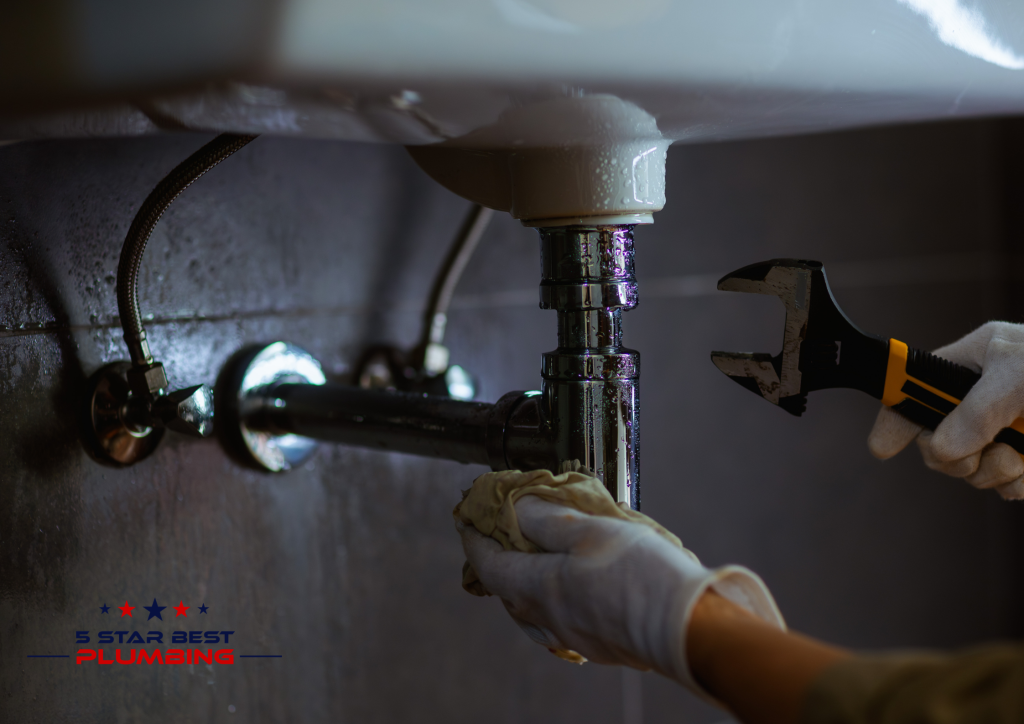
Despite your best efforts, pipes can still freeze during extreme cold events. If you turn on a faucet and get little to no water flow — or no water at all — a frozen pipe is likely the cause. Here’s what to do:
Keep the faucet open. As you work to thaw the pipe, keep the faucet it’s connected to open. As the ice melts, water will flow through and help speed up the thawing process.
Apply gentle heat. Use a hair dryer, electric heating pad, or warm towels to apply gentle heat to the frozen section of pipe. Start from the faucet end and work back toward the cold area. Never use an open flame, propane torch, or kerosene heater to thaw a frozen pipe — these can damage the pipe and create a serious fire hazard.
Check all faucets. If one pipe is frozen, others in the same area may be frozen too. Check all faucets throughout your home to get a complete picture of the situation.
Call a licensed plumber immediately. If you can’t locate the frozen section, if the pipe is inside a wall or under the floor, or if you suspect the pipe may already be cracked or damaged, stop what you’re doing and call a licensed plumber right away. Attempting to thaw a pipe that has already burst will result in an immediate flood the moment the ice melts.
Signs a Pipe Has Already Burst
Sometimes a pipe bursts before you even know it was frozen. Watch for these warning signs that indicate a pipe may have already failed:
- Water stains, wet spots, or puddles appearing on floors, walls, or ceilings
- A sudden drop in water pressure throughout your home
- The sound of running water when all fixtures are turned off
- An unexplained spike in your water meter reading
- Visible cracks or bulging in walls near pipe locations
If you notice any of these signs, shut off your main water supply immediately and call The 5 Star Plumbing at (888) 909-0120. Our licensed plumbers are available 24 hours a day, 7 days a week to handle plumbing emergencies — including burst pipes — anywhere in the Los Angeles area.
FAQs
At what temperature do pipes freeze?
Pipes can begin to freeze when outdoor temperatures drop below 20°F. However, poorly insulated pipes in unheated spaces can freeze at temperatures in the upper 20s. The longer temperatures stay below freezing, the greater the risk.
How long does it take for pipes to freeze?
In very cold conditions with temperatures well below freezing, exposed or poorly insulated pipes can freeze in as little as 6 to 8 hours. This is why it’s so important to take preventive action before cold temperatures arrive rather than waiting until they’re already in effect.
Can I thaw frozen pipes myself?
You can attempt to thaw a frozen pipe yourself using a hair dryer or heating pad if the pipe is accessible and you can visually confirm it hasn’t burst. However, if the pipe is inside a wall, in a crawl space, or if you suspect it may be damaged, always call a licensed plumber.
Does homeowners insurance cover burst pipe damage?
Most standard homeowners insurance policies cover sudden and accidental water damage from a burst pipe. However, damage caused by negligence — such as leaving a home unheated during winter — may not be covered. Check your policy and contact your insurance provider for specifics.