You scrub the bowl, disinfect the seat, mop the floor, and yet — the smell is still there. A clean toilet that still smells is one of the most frustrating plumbing problems homeowners face. The good news is that the cause is almost always identifiable and fixable. The bad news is that a persistent toilet odor is rarely just a cleaning issue. In most cases, it points to a plumbing problem hiding out of sight. This guide explains exactly why your toilet smells even when it’s clean, and what you or a professional plumber can do about it.
In This Article
Reason 1 — A dry or faulty P-trap
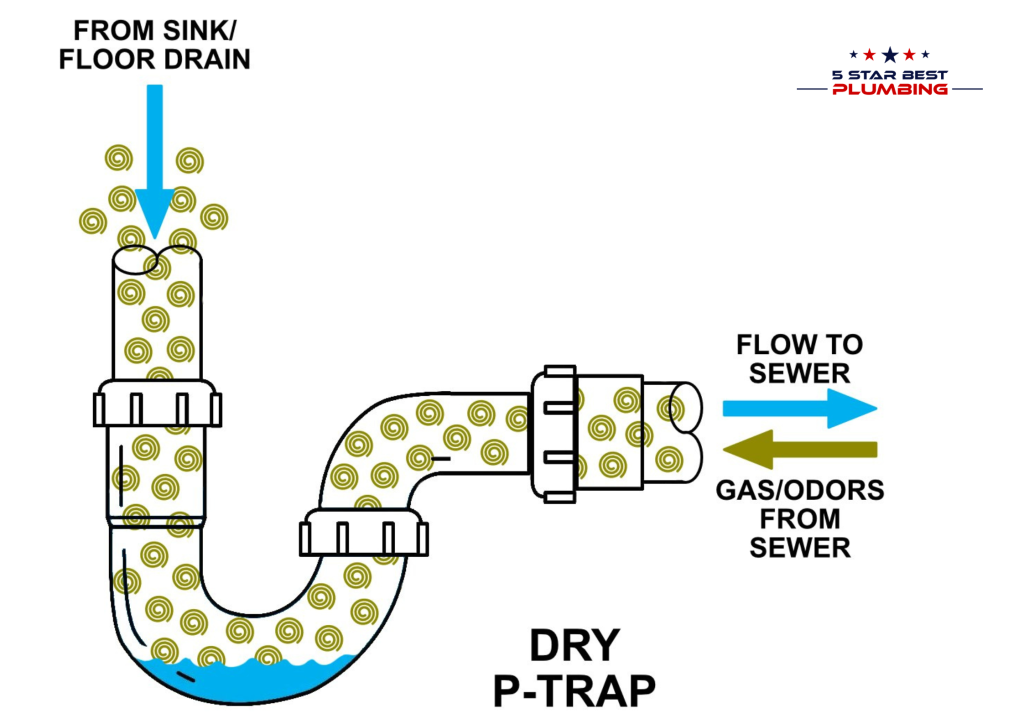
The P-trap is the curved section of pipe beneath your toilet and drains. It holds a small amount of water at all times, and that water acts as a seal blocking sewer gases from rising up through the drain and into your bathroom. If a toilet or floor drain is used infrequently, the water in the P-trap can evaporate — breaking the seal and allowing sewer gas, which contains hydrogen sulfide, to enter the room. The result is a rotten egg smell that has nothing to do with how clean your toilet is. Pouring water down rarely-used drains every few weeks resolves this quickly.
Reason 2 — Sewer gas leaking into the bathroom
Sewer gas is a mixture of gases produced by decomposing waste in the sewer system. It contains hydrogen sulfide, ammonia, methane, and other compounds that produce a foul smell and, according to the CDC, can be harmful at high concentrations. If sewer gas is leaking into your bathroom, the source is usually a cracked toilet base, a worn wax ring seal between the toilet and the floor flange, or a damaged vent pipe. A sulfur or rotten egg smell that is strongest near the base of the toilet is a strong indicator of a wax ring failure. This is a job for a licensed plumber.
Reason 3 — A cracked toilet bowl or base
Hairline cracks in the toilet bowl or base are easy to miss but can trap bacteria, urine, and waste in microscopic grooves that no amount of surface cleaning will reach. Over time these cracks widen and the trapped organic material produces a persistent odor. Run your hand along the base and around the bowl carefully. If you notice moisture, staining, or any visible crack, the toilet likely needs to be replaced. A cracked toilet base can also allow sewer gas to escape around the seal.
Reason 4 — A failing or worn wax ring
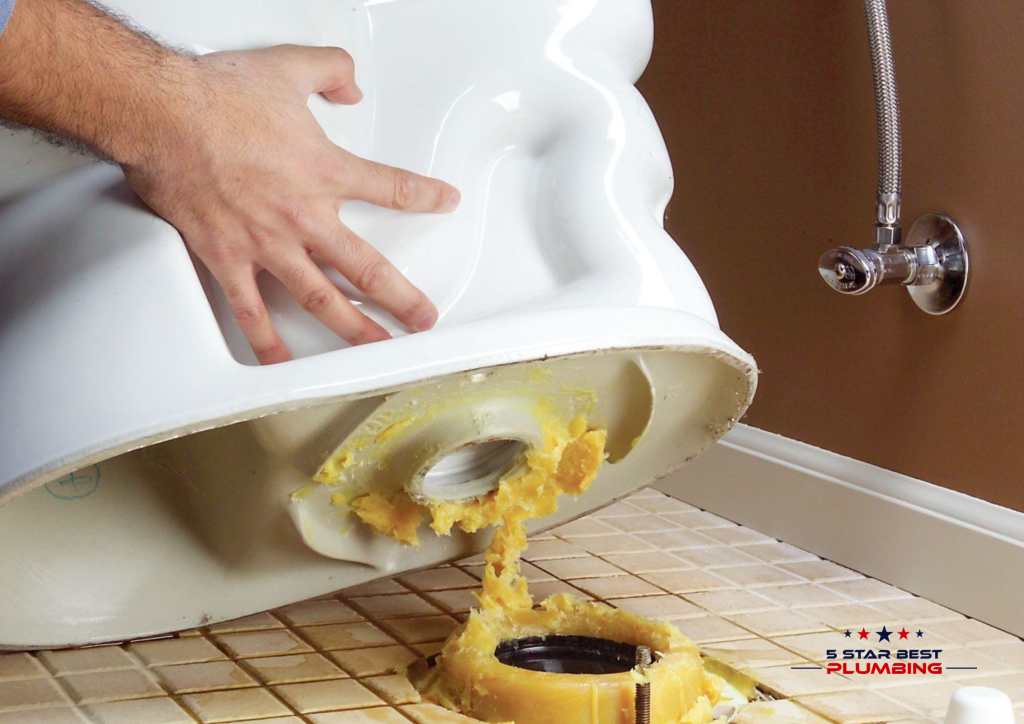
The wax ring is a soft wax seal that sits between the bottom of the toilet and the drain flange in the floor. It creates an airtight and watertight connection. Over time — especially if the toilet rocks or shifts — the wax ring can compress, crack, or lose its seal entirely. A failed wax ring allows sewer gas to seep up around the base of the toilet into the bathroom, producing a sewer smell even in a clean toilet. Signs include a toilet that moves slightly when sat on, water staining around the base, or a smell that is worst right after flushing. Replacing a wax ring requires removing the toilet and is best handled by a professional plumber.
Reason 5 — Blocked or poorly vented drain pipes
Your home’s plumbing system relies on vent pipes to release sewer gases safely outside through the roof. These vents also allow air into the drain system to keep water flowing smoothly. If a vent pipe becomes blocked — by debris, a bird’s nest, leaves, or ice in winter — negative pressure builds up in the pipes. This negative pressure can siphon water out of P-traps throughout the home and pull sewer gases back through drains. A gurgling sound from the toilet after flushing, combined with a sewage smell, is a classic sign of a venting problem. Clearing a blocked vent pipe requires professional equipment and roof access.
Reason 6 — Bacteria buildup under the rim
The underside of the toilet rim contains small holes through which water flows during a flush. These holes are dark, damp, and difficult to clean — making them an ideal breeding ground for bacteria, mold, and mineral deposits. Even if the visible bowl looks spotless, bacteria colonies under the rim produce ammonia and other odorous compounds. Use a mirror to inspect the rim holes and clean them with a toilet brush, white vinegar, and baking soda. If the buildup is significant, a dedicated rim cleaning product or a plumber’s descaling treatment may be needed.
Reason 7 — Urine soaked into flooring or caulking
Over months and years, urine can seep beneath the toilet base and soak into grout, subflooring, or old caulking around the base. No surface cleaner will reach this absorbed urine, and it produces a sharp ammonia smell that seems to come from nowhere. Inspect the caulking around the toilet base — if it is discolored, cracked, or peeling, remove it and replace it with fresh caulk. If the odor is severe and the flooring beneath feels soft or spongy, there may be water or urine damage to the subfloor that requires professional repair.
Reason 8 — A dirty or blocked toilet tank
Most homeowners clean the bowl but never look inside the tank. The toilet tank can develop mold, mildew, bacteria, and mineral buildup over time, all of which produce unpleasant odors that spread into the bathroom every time the toilet flushes. Remove the tank lid and inspect the inside. Black or pink staining indicates mold or bacteria. Add a cup of white vinegar to the tank, let it sit for 30 minutes, then flush. For heavy buildup, scrub the tank walls with a brush before flushing. Avoid using bleach tablets in the tank — they damage rubber components over time.
When to call a licensed plumber
DIY fixes like cleaning under the rim, recaulking the base, or topping up a dry P-trap can solve minor odor issues. But call a licensed plumber if the sewer or rotten egg smell persists, your toilet rocks at the base, you see moisture or staining around the floor, multiple drains smell bad, or you hear gurgling after flushing. Sewer gas contains methane and hydrogen sulfide — at high concentrations, it is a health and safety risk that should not be ignored. Contact The 5 Star Plumbing if any of these signs sound familiar.
FAQs
Why does my toilet smell like rotten eggs even after cleaning?
A rotten egg smell is the hallmark of hydrogen sulfide, a component of sewer gas. This almost always means sewer gas is leaking into your bathroom — most commonly through a failed wax ring, a dry P-trap, or a cracked toilet base. It is not a cleaning problem and will not improve with scrubbing alone. Contact a plumber to inspect the seal and vent system.
Why does my bathroom smell like sewage after flushing?
A sewage smell specifically after flushing points to a venting issue or a broken wax ring seal. Flushing creates a brief pressure change in the drain system — if the vent pipes are blocked or the wax ring has failed, that pressure change pulls sewer gases back up into the bathroom.
How do I know if my wax ring needs replacing?
Is sewer gas dangerous?
Yes. At low concentrations sewer gas is unpleasant but not immediately harmful. At higher concentrations, hydrogen sulfide causes headaches, nausea, and dizziness, and methane is flammable. If the smell is very strong or you feel unwell, ventilate the area immediately and call a plumber. Do not ignore a strong sewer gas smell in your home.