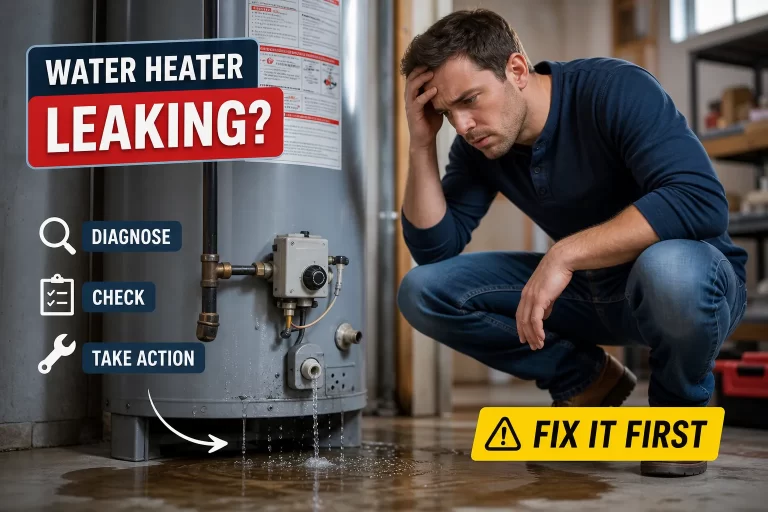
Is your daily shower turning into a frustrating experience with temperature swings or weak water pressure? You might be ignoring the early signs of a faulty shower cartridge. This small but crucial component regulates water flow and temperature, and when it starts failing, it can disrupt your routine. In this blog, we’ll uncover the top warning signs your shower cartridge is going bad, helping you catch issues early before they become costly. Don’t overlook what your shower cartridge is trying to tell you!
Table of Contents
1. Inconsistent Water Temperature: The First Red Flag
One of the earliest and most common symptoms of a faulty shower cartridge is fluctuating water temperatures. If you notice sudden spurts of scalding hot water or unexpected cold bursts while showering, your cartridge may no longer be regulating temperature properly.
This issue arises when internal seals wear out or the cartridge becomes clogged with sediment and mineral deposits. These disturbances interfere with the balance between hot and cold water, leading to uncomfortable and potentially dangerous temperature shifts. If left unchecked, these inconsistencies can worsen, indicating a cartridge replacement is necessary.
Expert Tip: If your water heater is working fine and the issue is isolated to the shower, your cartridge is likely the culprit.
2. Low Water Pressure: A Telltale Symptom of Cartridge Failure
Experiencing weak water flow in your shower? Don’t blame your water heater just yet—the problem could be within your shower valve cartridge. A deteriorating or clogged cartridge restricts water from flowing freely through the pipes, resulting in a disappointing trickle instead of a powerful stream.
Hard water deposits, rust, or aging materials inside the cartridge can cause partial blockages. This symptom is especially concerning when low pressure affects only the shower and not the rest of your plumbing system, narrowing the cause to a single faulty component—your shower cartridge.
Pro Insight: If the issue is isolated to the shower while other faucets have strong flow, a shower valve cartridge replacement may be needed.
3. Water Dripping After the Shower is Off
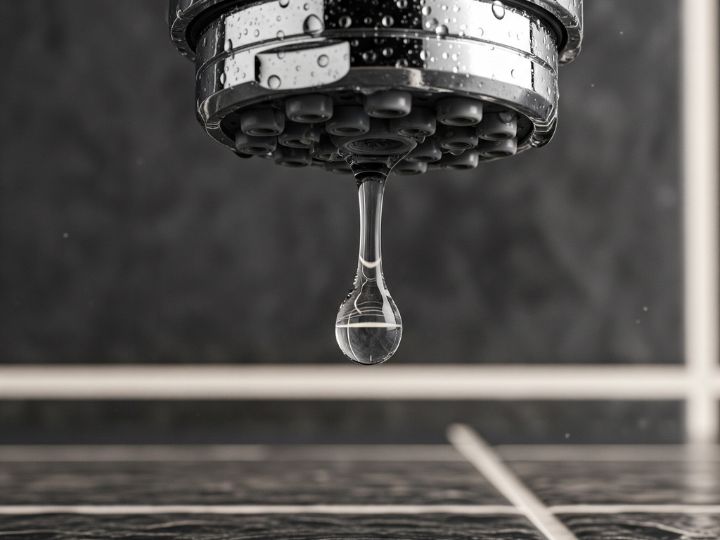
Does your showerhead continue to drip long after you’ve shut it off? While it may seem like a minor inconvenience, persistent dripping is a strong indicator that your cartridge is not sealing properly.
The shower cartridge contains rubber O-rings and seals that deteriorate over time, especially with frequent use or exposure to hard water. When these internal parts fail, water can slowly escape through the showerhead even when the valve is in the off position. Not only is this wasteful, but it can also drive up your water bill and lead to mold or mildew buildup in the bathroom. According to the EPA WaterSense program, upgrading to efficient showerheads and maintaining leak-free plumbing can significantly reduce water usage and costs.
4. Difficulty Turning the Handle or Stuck Valve
A properly functioning shower handle should rotate smoothly with minimal resistance. If you’re noticing stiffness, grinding, or even a stuck handle, it’s likely your cartridge is the culprit. Over time, mineral buildup or internal corrosion can cause the cartridge to seize, making it difficult to adjust water flow or temperature.
In severe cases, the handle might feel like it’s grinding or clicking—a warning that the cartridge’s internal parts are misaligned or broken. Ignoring this can result in total valve failure, leaving you without a functioning shower until repairs are completed.
Warning: Forcing the handle can break internal parts, requiring a full valve replacement. If the handle feels unusually tight, it’s time for an inspection.
5. Strange Sounds Coming from the Shower
Hearing whistling, squealing, or grinding noises from your shower when it’s turned on? These are not just quirky sounds—they are signs of internal problems within your shower valve cartridge.
When the cartridge’s moving parts begin to wear down, they may create friction and noise as water flows through. This can be due to loose components, sediment accumulation, or an improperly seated cartridge. These noises often precede a full malfunction and should be addressed promptly to prevent further deterioration.
Trust the Signs: If your shower sounds different, don’t ignore it—unusual noises often indicate mechanical wear and tear inside the cartridge.
When Should You Replace Your Shower Cartridge?
A shower cartridge doesn’t last forever. Most cartridges have a lifespan of 5 to 10 years, depending on water quality, usage frequency, and maintenance habits. If you’re facing any of the signs above—and especially if your plumbing is a decade old—it may be time for a replacement.
Routine inspections and cleaning can help prolong the life of your cartridge, but once performance issues arise, replacement is often the most cost-effective and reliable solution.
Get your water heater repaired or replaced the same day
The Importance of Timely Repairs
Ignoring cartridge issues can snowball into larger plumbing problems such as pipe damage, water waste, or even water heater inefficiencies. A malfunctioning cartridge can strain your system, forcing components to work harder and reducing their lifespan.
Moreover, consistent leaks or temperature problems can damage surrounding tiles, grout, and bathroom fixtures. Timely intervention not only restores your shower’s performance but protects the integrity of your overall plumbing system.
Can You Replace a Shower Cartridge Yourself?
Yes—but only if you’re comfortable with plumbing tools and have basic knowledge of your shower’s make and model. The process typically involves:
- Turning off water supply
- Removing the handle and trim plate
- Extracting the old cartridge with a cartridge puller
- Installing the new cartridge securely
- Testing for proper water flow and temperature
While many homeowners tackle this as a DIY project, challenges like a stuck cartridge or difficulty finding the correct replacement can arise. In such cases, turning to professional shower repair services is a smart move. Experienced plumbers can ensure the job is done right the first time, saving you time, frustration, and potential water damage.
Preventive Maintenance Tips for Shower Cartridges
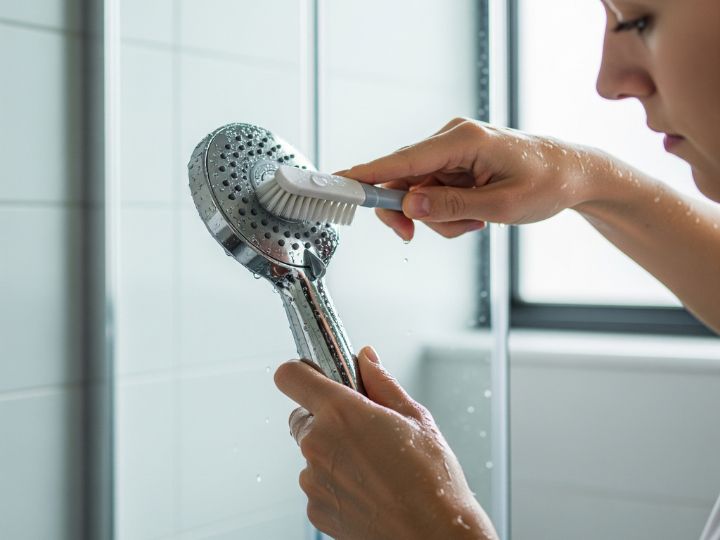
To extend your cartridge’s life and avoid surprise failures, follow these maintenance tips:
- Install a water softener to minimize mineral deposits
- Clean your showerhead and cartridge annually
- Inspect for leaks or drips regularly
- Operate the handle gently to prevent internal wear
- Use genuine OEM parts when replacing cartridges
By staying proactive, you can keep your shower running smoothly and avoid emergency repairs.
Final Thoughts: Don’t Ignore the Signs
Recognizing the early signs of shower cartridge problems can save you from costly repairs and unnecessary headaches down the road. From inconsistent water temperature to persistent dripping, these red flags shouldn’t be ignored. Your shower’s performance—and your comfort—depends on a properly functioning cartridge, so staying ahead of issues is essential.
If you’re dealing with any of these shower cartridge problems or suspect your cartridge needs replacement, don’t hesitate to call The 5 Star Plumbing. Our experienced team provides fast, reliable, and affordable shower repair services, ensuring your bathroom stays efficient and leak-free. Whether you need a quick fix or a complete cartridge replacement, trust the pros to handle it right the first time. Contact us today
FAQs
How do I know if my shower cartridge needs replacing?
If you’re experiencing inconsistent water temperature, low pressure, or dripping after shutting off the shower, your cartridge is likely failing. These signs indicate worn seals or internal blockages that affect performance.
Can a faulty shower cartridge affect my water bill?
Yes, a leaking or dripping cartridge can waste significant water over time, increasing your utility costs. Fixing or replacing it promptly helps conserve water and reduce expenses.
How often should a shower cartridge be replaced?
Most shower cartridges last between 5 to 10 years, depending on usage and water quality. Regular maintenance can extend its lifespan, but performance issues usually signal it’s time for a replacement.
Is it safe to replace a shower cartridge myself?
Yes, if you have basic plumbing skills and the right tools, DIY replacement is possible. However, calling a professional is recommended if the cartridge is stuck or if you’re unsure about the model.
Why is my shower making a high-pitched squealing noise?
This often results from a worn or loose cartridge part that creates friction as water passes through. Replacing the cartridge typically resolves the noise and restores normal operation.