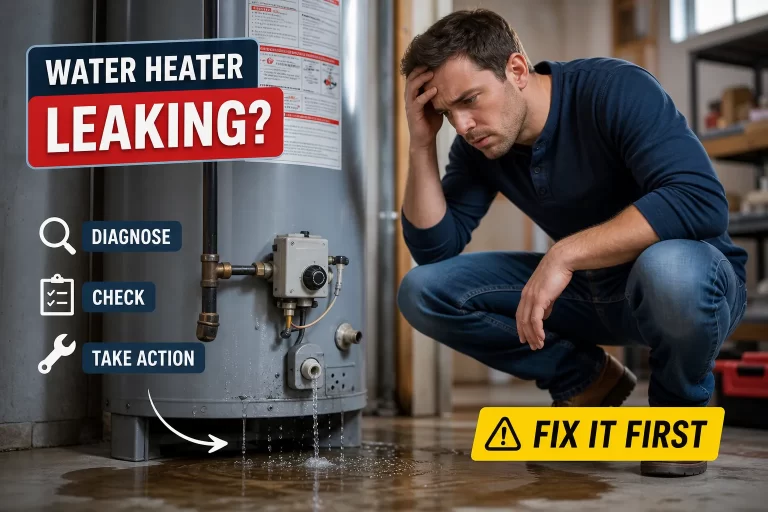
Water Heater Making Noise? Here’s Exactly What Each Sound Means (And What to Do)

Is your water heater making strange sounds in the middle of the night? You’re not alone. Water heater noises are one of the most common calls we get at 5 Star Best Plumbing  and the good news is, most of them are diagnosable (and fixable) once you know what to listen for.

In this guide, we’ll walk you through every common water heater noise, explain exactly what’s causing it, and tell you what steps to take  whether it’s a simple DIY fix or a sign it’s time to call a professional.

1. Popping or Rumbling Sounds

What It Means

This is the most common water heater noise homeowners report  and it’s almost always caused by sediment buildup at the bottom of the tank. Over time, minerals like calcium and magnesium from hard water settle and harden on the tank floor. When the heating element tries to heat water through that layer of sediment, it causes trapped water to pop and bubble underneath it  creating that familiar rumbling or popping sound.

Urgency Level: Moderate If ignored, sediment buildup forces your heater to work harder, shortens its lifespan, spikes your energy bills, and can eventually crack the tank.

What to Do

  • Flush your water heater tank completely to remove sediment  this should be done annually as basic maintenance.
  • If the popping is severe, call a plumber for a professional flush and full inspection.
  • If you live in a hard water area, consider installing a water softener to slow future buildup.
  • Tanks with extreme sediment damage may need full replacement.

2. Hissing Sounds

What It Means

A hissing sound almost always signals a leak somewhere in the system  either water dripping onto the burner assembly (gas heaters), a leaking pressure relief valve, or on electric heaters, a failing heating element with moisture intrusion. Any of these scenarios needs immediate attention.

⚠️ Urgency Level: HIGH  Act Immediately Leaks near gas components or electrical parts can create dangerous conditions. Never ignore a hissing water heater.

What to Do

  • Inspect the Temperature & Pressure (T&P) relief valve — it may be releasing pressure normally, or it may be leaking, which signals a serious problem.
  • Check all pipe connections and fittings around the unit for any drips or moisture.
  • If you have a gas water heater and smell rotten eggs alongside the hissing  leave your home immediately and call your gas company from outside.
  • Call a licensed plumber to locate and repair the source of the leak

3. Knocking or Banging (Water Hammer)

What It Means

A loud knocking or banging  commonly called “water hammer” usually happens when water flow is suddenly stopped or redirected, sending a pressure shockwave through your pipes. It can also be loose pipes banging against walls or framing inside your home. You’ll often notice this right after a valve closes or an appliance (like a dishwasher or washing machine) shuts off.

 Urgency Level: Moderate Water hammer puts stress on pipe joints and fittings over time, which can lead to leaks if left unaddressed.

What to Do

  • Install water hammer arrestors on your supply lines  these are inexpensive and a manageable DIY project.
  • Have a plumber secure any loose pipes that are moving and banging against structural elements.
  • Check your home’s water pressure  anything above 80 PSI can significantly worsen water hammer. A pressure regulator can fix this.
  • If the knocking only happens during heating cycles, it may be sediment-related rather than a water hammer issue

4. Screeching or Whining Sounds

What It Means

A high-pitched screech or whine coming from your unit is typically caused by a valve that isn’t fully open  most commonly the cold water inlet control valve. Water being forced through a partially closed valve creates a whistling or screeching effect similar to blowing through a partially blocked straw. On electric water heaters, a failing heating element can produce this sound as well.

 Urgency Level: Low to Moderate Not immediately dangerous, but the restriction puts ongoing stress on the system and should be resolved.

What to Do

  • Start by checking that your cold water inlet valve is fully open  turn it counterclockwise until it won’t go further.
  • Inspect the T&P valve and inlet fittings for any partial blockages or buildup.
  • If the screeching persists after opening all valves fully, have a licensed plumber inspect the heating element and internal components.

5. Ticking or Clicking Sounds

What It Means

Light, intermittent ticking is usually completely normal and nothing to worry about. It’s often caused by heat traps  small check valves in the pipes that prevent heat loss  or by the natural expansion and contraction of pipes as they heat up and cool down during a heating cycle. However, if the clicking is loud, rapid, or coming from the burner area, it could signal a problem with the igniter on a gas unit.

⏱ Urgency Level: Low (usually) Soft ticking is generally harmless. Loud or repeated clicking near the burner warrants a closer look.

What to Do

  • If the ticking is soft and happens occasionally  no action needed. This is normal operation.
  • If clicking is loud and repeating near the burner area  have your gas igniter inspected by a technician.
  • If your pilot light won’t stay lit and clicking is happening, call a plumber or gas technician right away.
6. Rumbling or Gurgling Sounds

What It Means

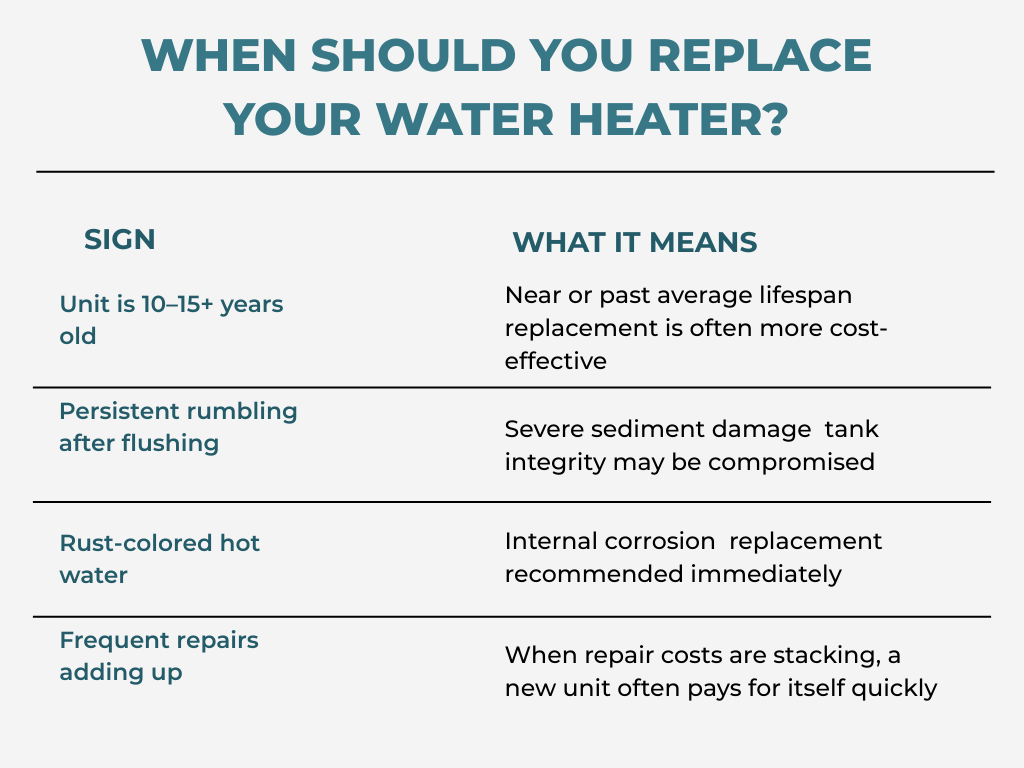
Similar to popping but more sustained and low-pitched, a constant rumbling or gurgling often means the sediment buildup is severe enough that the tank is overworking to maintain temperature. In some cases it can also indicate the unit is overheating, or that the tank is simply nearing the end of its usable lifespan. If your unit is 10 or more years old and making this sound, treat it seriously.

⚠️ Urgency Level: Moderate to High A consistently rumbling heater  especially an older one  may be on its last legs. Early action prevents a flooded utility room.

What to Do

  • Flush the tank thoroughly to clear sediment and see if the sound improves.
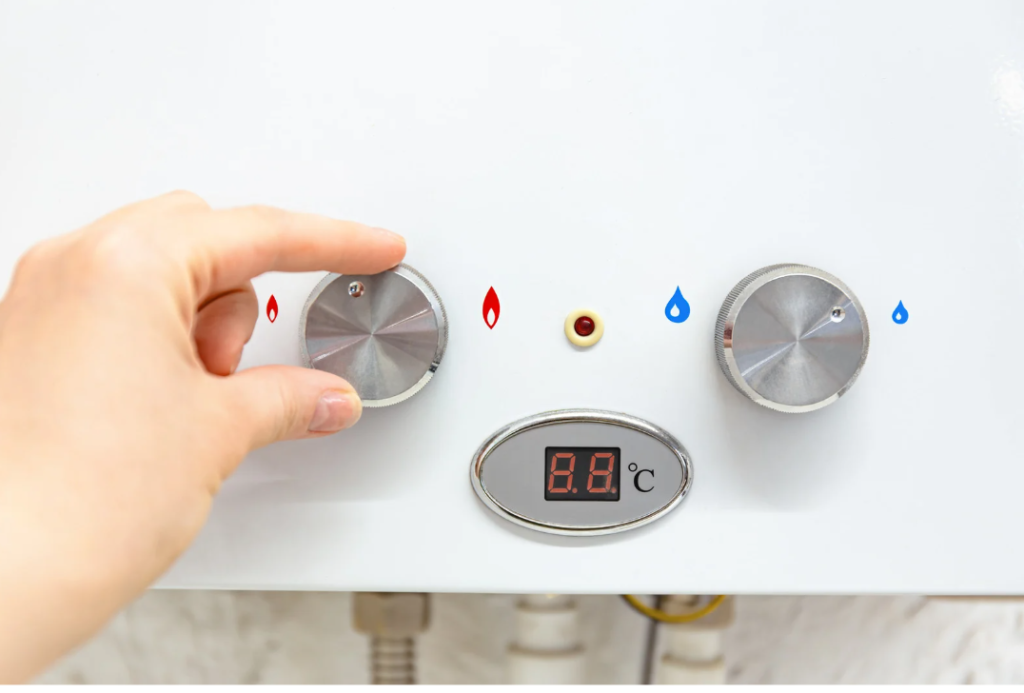
  • Check your thermostat setting  it should be between 120°F and 140°F. Anything higher stresses the system.
  • If the unit is 10+ years old and rumbling persists after flushing, start budgeting for a replacement.
  • Call 5 Star Best Plumbing for an honest inspection  we’ll tell you whether repair or replacement makes more financial sense for your situation.

When Should You Replace Your Water Heater?

DIY vs. Call a Plumber — Quick Reference

Safe to handle yourself:

  • Flushing sediment from the tank (annual maintenance)
  • Fully opening a partially closed inlet valve
  • Installing water hammer arrestors on supply lines
  • Adjusting the thermostat to the correct temperature
  • Confirming that soft ticking is just normal pipe expansion

Call 5 Star Best Plumbing if:

  • You hear hissing AND smell gas  evacuate the home immediately
  • There is visible water leaking from the unit or surrounding pipes
  • The T&P relief valve is dripping or appears damaged
  • Unusual noises persist after you’ve flushed the tank
  • The unit is 10+ years old and making any unusual sounds
  • You’re seeing rust-colored or discolored water from hot taps

5 Maintenance Tips to Prevent Water Heater Noise

Prevention is always cheaper than repair. These five habits will extend your unit’s life and help you avoid the sounds covered in this guide entirely.

1. Flush the tank once a year. Draining and flushing removes sediment before it hardens into a problem. This single habit can add years to your water heater’s life and noticeably reduce energy consumption.

2. Set the thermostat to 120°F. This is the ideal temperature  hot enough to prevent bacterial growth, low enough to avoid overheating stress on the tank and components.

3. Test the T&P valve annually. Lift the lever briefly to confirm it opens and closes cleanly. A stuck or dripping T&P valve is both a safety hazard and a leak waiting to happen.

4. Inspect anode rods every 2–3 years. These sacrificial rods attract corrosive minerals to protect your tank from rusting from the inside out. Replacing a worn rod costs very little. Replacing a corroded tank costs a lot.

5. Schedule a professional inspection every 2–3 years. A licensed plumber can catch early warning signs  loose connections, valve wear, early corrosion  before they turn into noisy, expensive emergencies

FAQs

It depends on the sound. Most noises — popping, ticking, and rumbling — are nuisances rather than immediate dangers. Hissing, especially when accompanied by a gas smell, requires immediate action. When in doubt, call a licensed plumber. It’s always better to know.

Traditional tank water heaters last 8–12 years on average. Tankless water heaters can last 20+ years with proper maintenance. If your unit is approaching or past these milestones, increasing noise is a strong signal it’s time to plan for replacement.


Yes,  it’s a beginner-friendly DIY task. Turn off the power or gas first, connect a garden hose to the drain valve, and let the tank empty completely. However, if your unit hasn’t been flushed in many years, we recommend having a plumber do it the first time so they can assess the tank’s condition while they’re there

Minor repairs like valve replacements or thermostat adjustments typically range from $100–$300. More significant repairs such as element replacements or leak repairs run $300–$600+. Full replacement of a traditional tank unit runs $800–$1,500+ installed. At 5 Star Best Plumbing, we always provide a clear, upfront quote before any work begins — no surprises.

Nighttime is when household demand drops lowest, triggering the heater into a recovery cycle to reheat the tank after daily use. The house is also quiet, making sediment-related popping and rumbling much more noticeable. If it only happens at night, sediment buildup is almost certainly the cause.

Search
Recent Posts

How can we help?

5 Star Best Plumbing is available at all times, especially during emergencies; fill out the contact form as soon as possible to avail our high-quality plumbing repair services right now.
Recent Videos