There are few things more frustrating than turning on your shower and getting a disappointing trickle. Or watching your kitchen sink fill a pot at a pace that tests your patience. Low water pressure is one of the most common plumbing complaints homeowners deal with — and most of the time, it’s completely fixable.
The trick is knowing what’s actually causing it. Because low water pressure isn’t always one problem — it can be any of a dozen different things, some simple enough to fix yourself in minutes, others that need a licensed plumber to resolve properly.
Here’s everything you need to know to diagnose the problem and get your water flowing the way it should.
What Is Considered Normal Water Pressure?
Before you start troubleshooting, it helps to know what you’re aiming for. Normal residential water pressure falls between 40 and 80 PSI (pounds per square inch). Anything below 40 PSI will feel noticeably weak at your fixtures. Anything above 80 PSI can actually damage your pipes, appliances, and fixtures over time.
You can check your home’s water pressure with a simple pressure gauge that attaches to any outdoor hose bib — they’re inexpensive and available at any hardware store. This one measurement tells you a lot about what you’re dealing with.
Common Causes of Low Water Pressure Partially Closed Shutoff Valves
This is the first thing to check — and the easiest fix. Your home has at least two main shutoff valves: one where the water line enters the house and one at the water meter. If either of these was turned off for a repair at some point and not fully reopened, it restricts flow to your entire home.
Check both valves and make sure they are fully open. A gate valve should be turned all the way counterclockwise. A ball valve handle should be parallel to the pipe. This alone solves the problem more often than you’d expect.
Clogged or Corroded Pipes
Over time — especially in homes with older galvanized steel pipes — mineral deposits, rust, and corrosion build up on the interior walls of the pipes. This narrows the passage water flows through, gradually reducing pressure throughout the home.
This type of buildup happens slowly and is easy to miss until the pressure drop becomes noticeable. In severe cases, the only real fix is repiping the affected sections — but catching it early with a pipe inspection can help you plan ahead rather than react to an emergency.
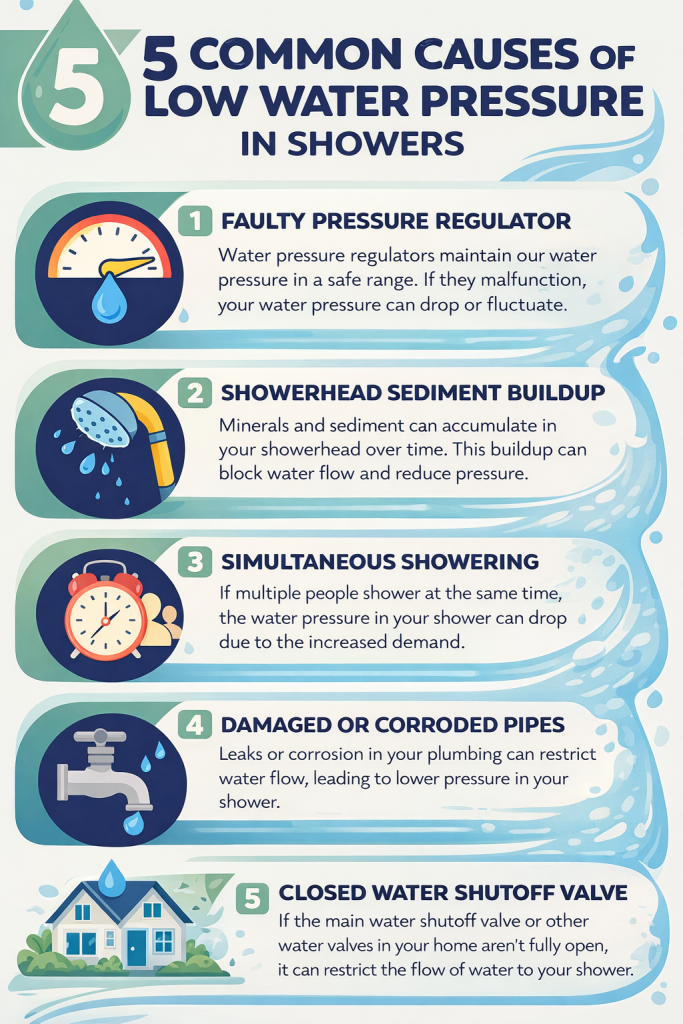
Faulty Pressure Regulator
Most homes have a pressure regulating valve (PRV) installed where the main water line enters the house. This device controls the pressure coming in from the municipal supply and keeps it within a safe range for your plumbing.
When a PRV fails — and they do fail, typically after 10–15 years — it can cause pressure to drop dramatically throughout the entire home all at once. If your pressure was fine and then suddenly dropped without any obvious reason, a failing PRV is a very likely culprit.
Mineral Buildup in Fixtures and Aerators
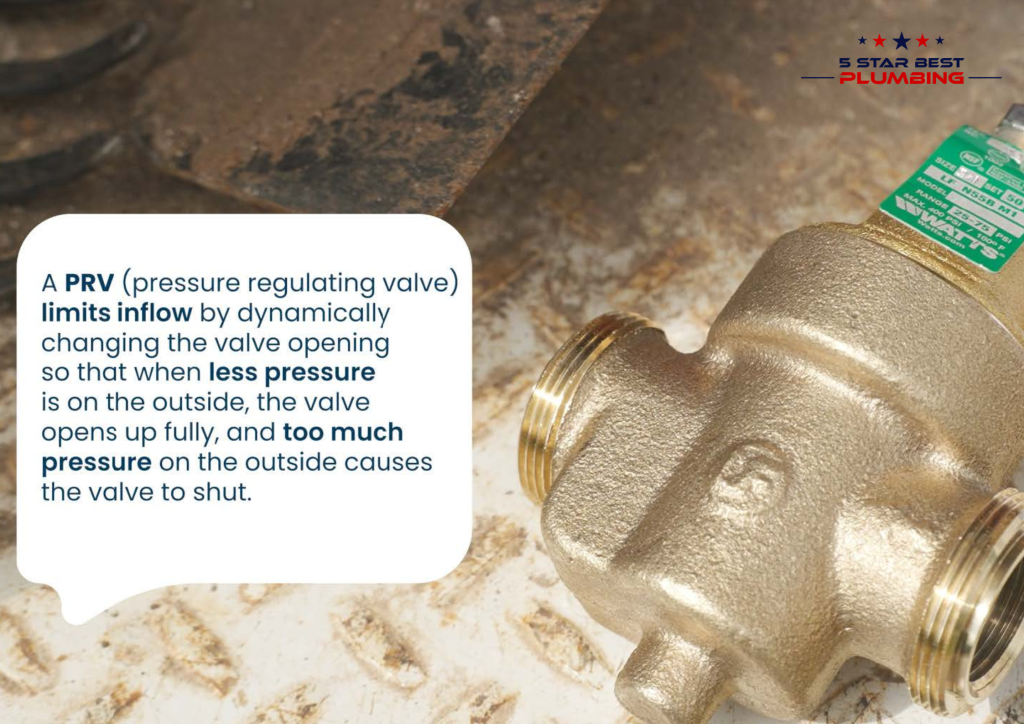
Sometimes the problem isn’t your pipes at all — it’s the fixtures themselves. Faucet aerators, showerheads, and fixture valves accumulate mineral deposits over time, particularly in areas with hard water. That buildup restricts flow right at the point of use.
This is one of the easiest DIY fixes on this list. Unscrew the aerator from the tip of your faucet, soak it in white vinegar overnight, rinse it clean, and reattach it. Do the same with your showerhead. In many cases, this alone restores noticeably better flow.
Water Demand from Multiple Fixtures
If your pressure is fine when one fixture is running but drops noticeably when multiple are in use — someone showering while the dishwasher runs and someone else uses the bathroom — that’s a demand issue rather than a true pressure problem.
This can be caused by undersized supply lines, an aging water heater struggling to keep up, or simply the limitations of your home’s plumbing configuration. A plumber can assess whether upsizing supply lines or adjusting your system layout would make a meaningful difference.
Municipal Supply Issues
Sometimes the problem isn’t inside your home at all. If your neighbors are experiencing the same issue, or if the pressure drop coincides with heavy usage times in your area, the source may be the municipal water supply itself.
Contact your water utility to ask about known pressure issues in your area. If the supply pressure coming into your home is genuinely low, a booster pump is the most effective solution.
Slab Leaks or Hidden Pipe Leaks
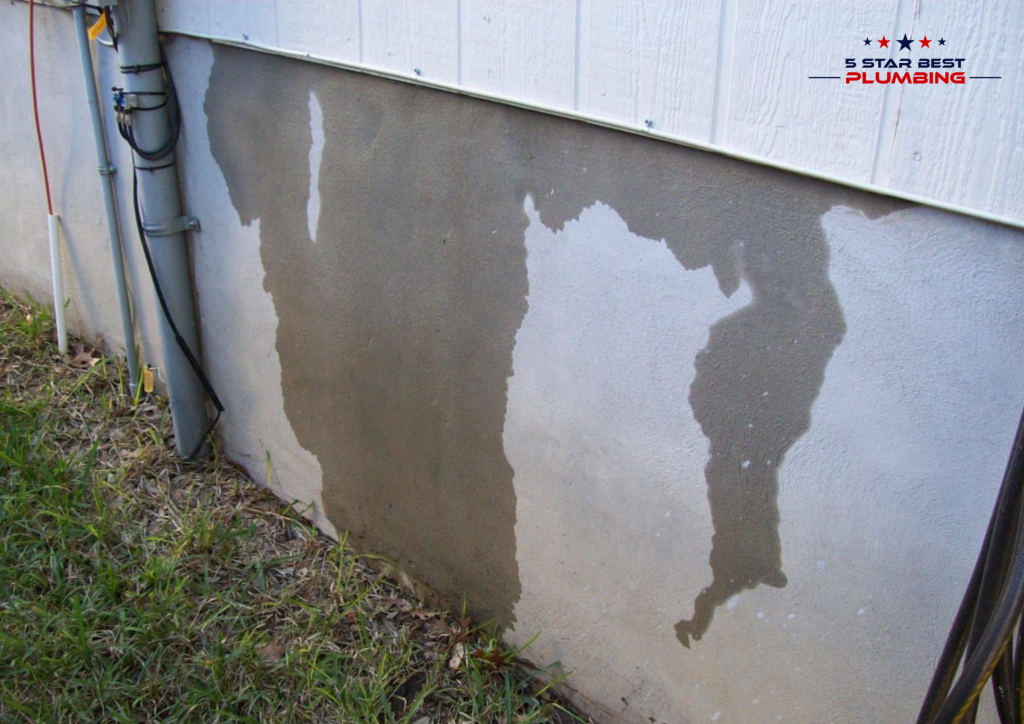
A leak somewhere in your plumbing system — especially a slab leak under your foundation — can bleed off significant water pressure before it ever reaches your fixtures. Hidden leaks are particularly tricky because there’s often no visible sign until significant damage has already occurred.
Signs of a hidden leak include unexplained increases in your water bill, damp spots on floors or walls, the sound of running water when nothing is turned on, and of course, persistent low pressure with no other obvious cause.
DIY Fixes You Can Try Right Now
Clean your aerators and showerheads — Soak in white vinegar for several hours or overnight to dissolve mineral buildup. This is free, takes minutes, and works surprisingly well.
Check and fully open your shutoff valves — Both the main house shutoff and the meter shutoff should be completely open. Even being slightly closed can significantly restrict flow.
Flush your water heater — Sediment builds up at the bottom of tank water heaters over time and can restrict hot water flow and pressure. Flushing it annually keeps it running efficiently. Turn off the heater, connect a hose to the drain valve, and flush until the water runs clear.
Check your pressure regulator — If you have a PRV and a pressure gauge, check the reading at a hose bib. If it’s reading below 40 PSI and adjusting the PRV screw doesn’t help, the valve may need replacing.
Run one fixture at a time — If pressure is only weak when multiple fixtures run simultaneously, be mindful of simultaneous usage while you plan a longer-term fix.
When To Call a Plumber
Some low water pressure issues are beyond DIY territory. Call a licensed plumber if:
- Pressure is low throughout the entire home and shutoff valves are fully open
- You suspect a hidden leak or slab leak
- Your pipes are old galvanized steel and haven’t been inspected in years
- Adjusting or replacing the PRV yourself doesn’t restore normal pressure
- You’ve tried all the basic fixes and the problem persists
A professional plumber can run a full pressure diagnostics on your system, inspect your pipes with a camera, identify any leaks, and give you a clear picture of what’s causing the problem and what it will take to fix it properly.
FAQs
Why do I have good cold water pressure but weak hot water pressure?
This almost always points to your water heater. Sediment buildup inside the tank, a partially closed inlet valve on the heater, or a failing unit can all restrict hot water flow specifically. Flushing the tank is the first step — if that doesn’t help, have the heater inspected.
Can low water pressure damage my appliances?
Indirectly, yes. Dishwashers, washing machines, and ice makers are designed to operate within a normal pressure range. Consistently low pressure can cause them to underperform, run longer cycles, and wear out faster.
How do I know if my pipes need replacing?
Signs include consistently low pressure throughout the home, rust-colored water, visible corrosion on exposed pipes, and frequent leaks. A professional pipe inspection with a camera is the most reliable way to assess the condition of your pipes.
Will a water pressure booster pump fix my problem?
A booster pump is an effective solution when the incoming municipal supply pressure is genuinely low. But if the cause is corroded pipes, leaks, or a failing PRV, a booster pump won’t fix the root problem — it’ll just add pressure on top of a system that still needs repair.