Clogged drains are more than just a minor inconvenience—they can disrupt your day and lead to costly repairs. That’s why understanding the best drain maintenance tips is essential for every homeowner. In this blog, we’ll uncover the significance of proactive drain care and how simple habits can keep your pipes flowing freely. Whether you’re dealing with slow drains or want to prevent future blockages, these expert-backed strategies will help you stay ahead of problems and maintain a healthy plumbing system year-round.
Table of Contents
1. Regularly Flush Drains with Hot Water
One of the simplest yet most effective drain maintenance practices is flushing drains with boiling water. Doing this weekly helps dissolve grease, soap residue, and minor buildups before they escalate into blockages.
- Use boiling water for kitchen and bathroom sinks.
- For kitchen drains, adding a small amount of dish soap can improve grease breakdown.
- Avoid this method on PVC pipes, as high heat may cause warping—use hot (not boiling) water instead.
2. Install Drain Strainers to Catch Debris
Drain strainers are inexpensive yet powerful tools for keeping foreign objects out of your plumbing system. These simple devices intercept hair, food scraps, soap bits, and other debris before they enter your pipes and cause clogs.
- Use fine-mesh strainers in bathroom sinks, tubs, and showers to trap hair.
- Install basket strainers in kitchen sinks to catch food remnants and coffee grounds.
- Clean the strainers regularly to avoid water backup and ensure consistent drainage performance.
3. Never Pour Grease or Oil Down the Drain
Fats, oils, and grease (commonly known as FOG) are major contributors to stubborn kitchen clogs. When poured down the drain, they cool, solidify, and adhere to pipe walls, gradually building up into hard blockages that restrict flow.
- Wipe greasy pans with paper towels before washing.
- Collect cooled oil and grease in a disposable container and throw it in the trash using proper household hazardous waste guidance.
- Educate everyone in your household about proper grease disposal to prevent future plumbing issues.
4. Use Natural Cleaners Monthly
Chemical drain cleaners might seem convenient, but they can corrode your pipes, harm your plumbing system, and pose environmental risks. Instead, opt for natural alternatives that are both safe and effective.
DIY Monthly Routine:
- Pour ½ cup of baking soda down the drain.
- Follow with 1 cup of white vinegar.
- Allow it to fizz and sit for 15–30 minutes.
- Flush with hot (not boiling) water.
This method helps dissolve organic buildup, eliminate odors, and promote a free-flowing drain system. For further guidance on what not to pour down your drains and how to care for them properly, check out the EPA’s homeowner-friendly tips on proper drain care and septic system maintenance.
Get your water heater repaired or replaced the same day
5. Be Mindful of What Goes in the Garbage Disposal
Garbage disposals are convenient kitchen tools, but improper use can lead to clogs, motor jams, and costly repairs. Treat your disposal with care to extend its lifespan and prevent plumbing issues.
- Avoid starchy items like potato peels, rice, pasta, and fibrous vegetables (e.g., celery).
- Never dispose of bones, eggshells, or coffee grounds.
- Always run cold water while operating the disposal and for 10 seconds afterward to flush debris.
6. Schedule Professional Drain Inspections Annually
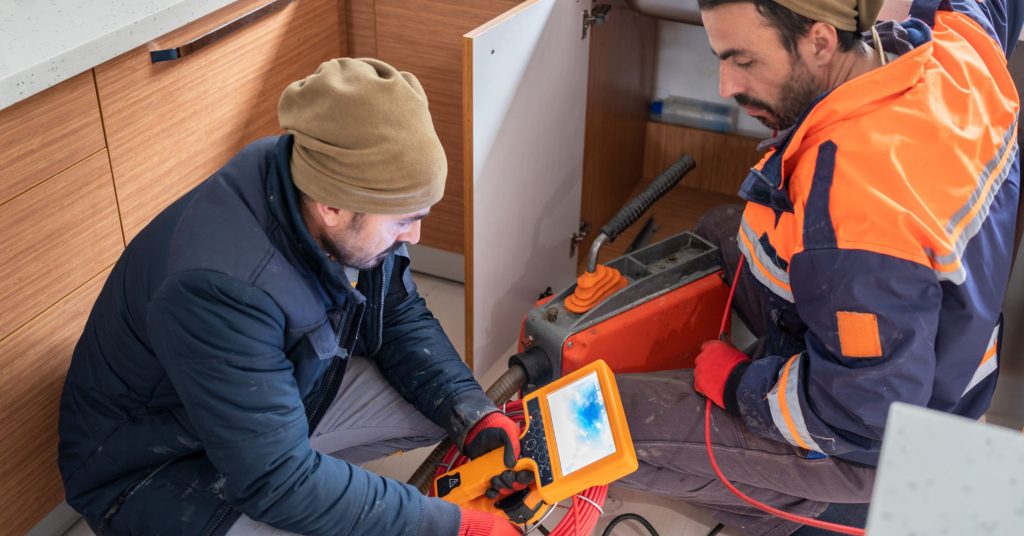
Even with the best maintenance habits, some drainage issues develop out of sight and beyond the reach of DIY care. Annual professional drain inspections help detect early signs of trouble like slow drainage, pipe corrosion, or invasive tree roots.
- Use licensed plumbers with camera inspection capabilities.
- Annual inspections are essential for older homes or properties with large trees nearby.
- Preventative inspections are cheaper than emergency plumbing repairs.
If you want long-term peace of mind, follow some proven tips for maintaining a healthy plumbing system, and make routine inspections a key part of your annual home maintenance checklist.
7. Clean P-Traps and Pop-Up Stoppers Quarterly
The P-trap beneath your sink often collects debris such as hair, toothpaste, and food residue, while pop-up stoppers in bathroom sinks can trap gunk that restricts water flow. Regular cleaning prevents clogs and eliminates unpleasant odors.
Steps to clean a P-trap:
- Place a bucket under the trap.
- Unscrew the slip nuts carefully.
- Remove the trap and clean it thoroughly.
- Reassemble and check for leaks.
Regular cleaning of these parts ensures smooth flow and eliminates odors.
8. Install a Hair Catcher in the Shower Drain
Hair is a leading cause of slow-draining showers and costly clogs. Installing a hair catcher is a simple, proactive way to stop hair from entering your pipes and causing blockages.
- Choose models that sit on top or insert into the drain.
- Clean out the hair catcher after every shower to maintain effectiveness.
This small but powerful device traps hair before it accumulates in the plumbing system, helping to keep your drains flowing freely and reducing the need for expensive repairs.
9. Keep Toilets Free of Non-Flushables
Toilets are designed to handle only human waste and toilet paper. Flushing other items can cause severe drain blockages and costly sewer backups.
Avoid flushing:
- Wet wipes (even “flushable” ones)
- Feminine hygiene products
- Paper towels
- Cotton balls and swabs
- Dental floss
These materials don’t break down easily and can quickly clog your pipes.
Teach children proper flushing habits to prevent accidental blockages.
Maintaining this discipline protects your plumbing and keeps your home’s drainage system running smoothly.
10. Know the Warning Signs of a Drain Issue
Early detection of drain problems is crucial to avoid costly plumbing disasters. Stay alert for common warning signs that indicate trouble in your drainage system.
Look out for:
- Gurgling sounds from sinks or toilets
- Slow drainage in multiple fixtures
- Bad odors rising from drains
- Backed-up water in sinks, showers, or tubs
If you notice any of these symptoms, act quickly. Contact a professional plumber to diagnose and fix deeper issues before they worsen.
11. Trim Tree Roots Near Sewer Lines
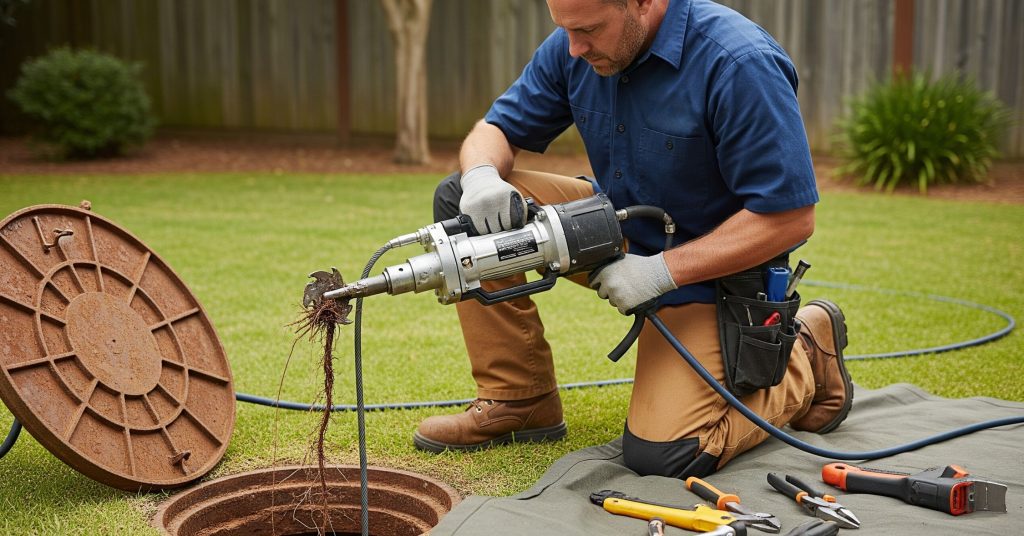
Tree roots naturally grow toward moisture, often invading sewer pipes and causing serious blockages or damage. Once inside, roots can expand quickly, cracking or clogging pipes and leading to costly repairs.
- Avoid planting trees close to sewer lines whenever possible.
- If roots are already causing problems, consult a plumber for professional root removal and pipe repair.
Annual rooter services or the use of chemical root killers can help prevent regrowth and protect your plumbing system from future root intrusions
12. Use Enzyme-Based Drain Cleaners
Unlike harsh chemical cleaners, enzyme-based drain cleaners use natural bacteria and enzymes to safely and gradually break down organic waste. They are ideal for monthly maintenance because they protect your pipes without causing damage.
- Look for eco-friendly brands specifically designed for household use.
- Use them at night to allow enzymes to work effectively without water interruption.
Regular use of enzyme cleaners helps reduce biofilm, grime, and buildup inside pipes, promoting smoother drainage and a healthier plumbing system over time.
13. Avoid Chemical Drain Cleaners
Many over-the-counter chemical drain cleaners contain harsh caustic or acidic ingredients that can corrode and weaken pipes, especially with repeated use. These chemicals also pose health risks and can harm the environment.
- Reserve chemical cleaners only for emergency situations.
- Always follow safety instructions carefully when using them.
Whenever possible, switch to natural or enzyme-based alternatives, which are gentler on your plumbing and safer for your household and the planet. This approach helps protect your pipes and promotes sustainable drain care.
14. Maintain Outdoor Drains and Gutters
Outdoor drainage is essential for protecting your home’s plumbing and foundation. Clogged gutters, downspouts, and yard drains can lead to water pooling, which may seep into your home and stress your drainage system.
- Clean gutters and downspouts at least twice a year to prevent overflow.
- Ensure yard drains are free of leaves, mud, and debris.
- Check that all drainage directs water away from your home’s foundation.
Proper outdoor drain maintenance reduces the risk of indoor water damage and costly repairs.
15. Upgrade Old Pipes and Fixtures
Aging pipes and outdated fixtures are common causes of frequent clogs, leaks, and reduced water flow. If your plumbing system is over 30 years old, it may be time for an upgrade to improve performance and prevent costly issues.
- Replace galvanized pipes with durable PVC or flexible PEX materials.
- Install low-flow faucets and toilets to reduce water pressure stress on your system and adopt water-saving plumbing fixtures.
Upgrading your plumbing helps prevent leaks and breaks while saving you money on long-term repairs and water usage.
Final Thoughts
Taking care of your drains doesn’t have to be overwhelming—just a few proactive habits can make all the difference in preventing costly plumbing disasters. From installing strainers to using natural cleaners, these simple tips help you stay ahead of clogs and keep water flowing smoothly throughout your home. Remember, routine maintenance saves time, money, and stress in the long run.
If you’re facing stubborn blockages or suspect deeper plumbing issues, don’t wait—call the experts at The 5 Star Plumbing. Our trusted team offers advanced hydro jetting services, reliable home repiping services, and affordable plumbing maintenance to restore your plumbing system’s health and performance with lasting results.
FAQs
How often should I clean my drains at home?
You should clean your drains with hot water or natural cleaners once a week to prevent buildup. More thorough cleanings or inspections by a professional are recommended every 1–2 years.
Can I use chemical drain cleaners regularly?
No, frequent use of chemical drain cleaners can damage your pipes over time. Natural alternatives like baking soda and vinegar are safer and effective for regular maintenance.
What’s the best way to prevent hair from clogging bathroom drains?
Install a drain screen or hair catcher over the drain to trap hair before it enters the pipes. Clean the screen regularly to ensure proper water flow.
Is it okay to pour grease down the kitchen sink if I run hot water?
No, grease should never be poured down the drain, even with hot water, as it solidifies and causes blockages. Always dispose of grease in a sealed container in the trash.
When should I call a plumber for a clogged drain?
If you experience slow drainage, recurring clogs, foul smells, or gurgling noises, it’s time to call a professional. These signs could indicate deeper issues that DIY methods can’t fix.