You flip the switch and nothing happens. Or worse — you hear a loud humming but the disposal is not grinding anything. A garbage disposal that stops working is one of the most frustrating kitchen problems a homeowner can face, especially when you are in the middle of cooking or cleaning up after a meal.
The good news is that most garbage disposal problems are fixable — and many of them you can resolve yourself in just a few minutes without any special tools. In this guide we will walk you through the most common reasons a garbage disposal stops working and what you can do to fix each one yourself.
Table of Contents
How a Garbage Disposal Works
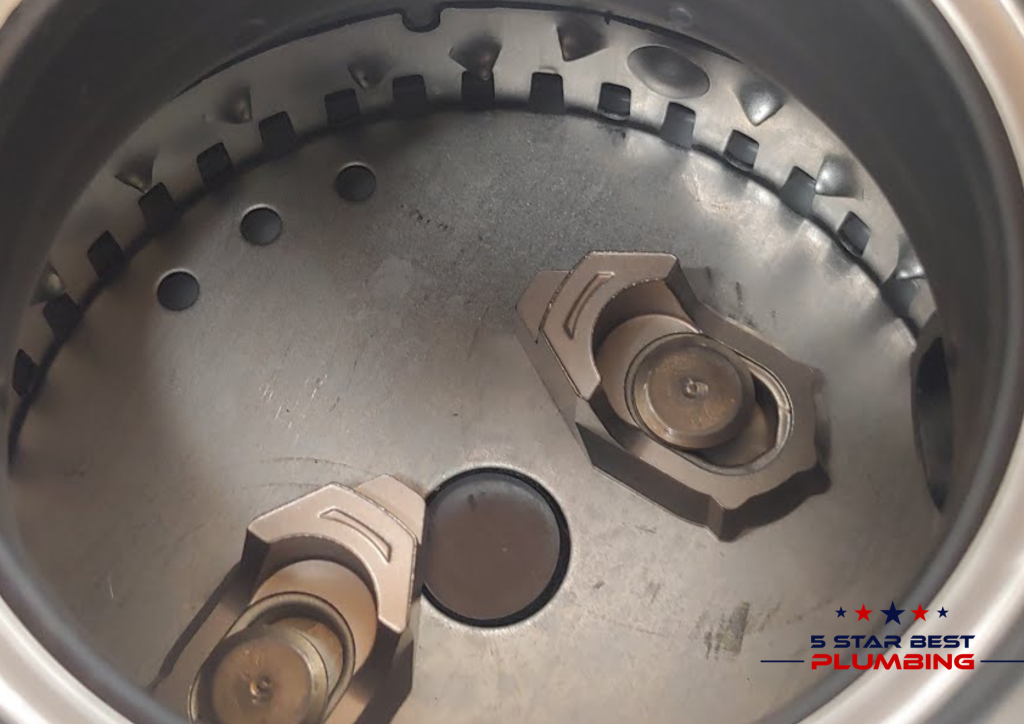
Before diving into fixes it helps to understand the basics. A garbage disposal is an electrically powered unit mounted under your kitchen sink. When you turn it on, a spinning plate with impellers inside the unit breaks down food waste into small pieces that flush through your drain. It has built-in safety features — including a reset button and thermal overload protector — that shut the unit off automatically when something goes wrong to prevent motor damage.
Most Common Reasons Your Garbage Disposal Is Not Working
1. The Disposal Is Jammed
This is by far the most common reason a garbage disposal stops working. When a hard object — a bone fragment, a fruit pit, a piece of silverware, or even a buildup of fibrous food — gets caught between the impeller and the grinding ring, the disposal jams and the motor shuts off automatically to protect itself.
Signs of a jam:
- You hear a humming sound when you turn the disposal on but nothing spins
- The disposal turns on for a second then immediately shuts off
- Complete silence when you flip the switch after a recent jam
How to fix it:
- Turn the disposal switch off and unplug the unit from under the sink — never put your hand inside a disposal that has power.
- Look under the sink at the bottom of the disposal unit — you will see a small hex socket in the center. Insert a ¼ inch Allen wrench into this socket.
- Turn the Allen wrench back and forth to manually rotate the grinding plate and free the jam. You will feel resistance at first then the plate will begin to move freely.
- Use tongs or pliers — never your hand — to reach inside the disposal from the top and remove whatever caused the jam.
- Press the red reset button on the bottom of the unit, plug it back in, run cold water, and turn it on.
Most garbage disposal units come with an Allen wrench specifically for this purpose. If yours is missing, a standard ¼ inch Allen wrench from any hardware store works perfectly.
2. The Reset Button Has Tripped
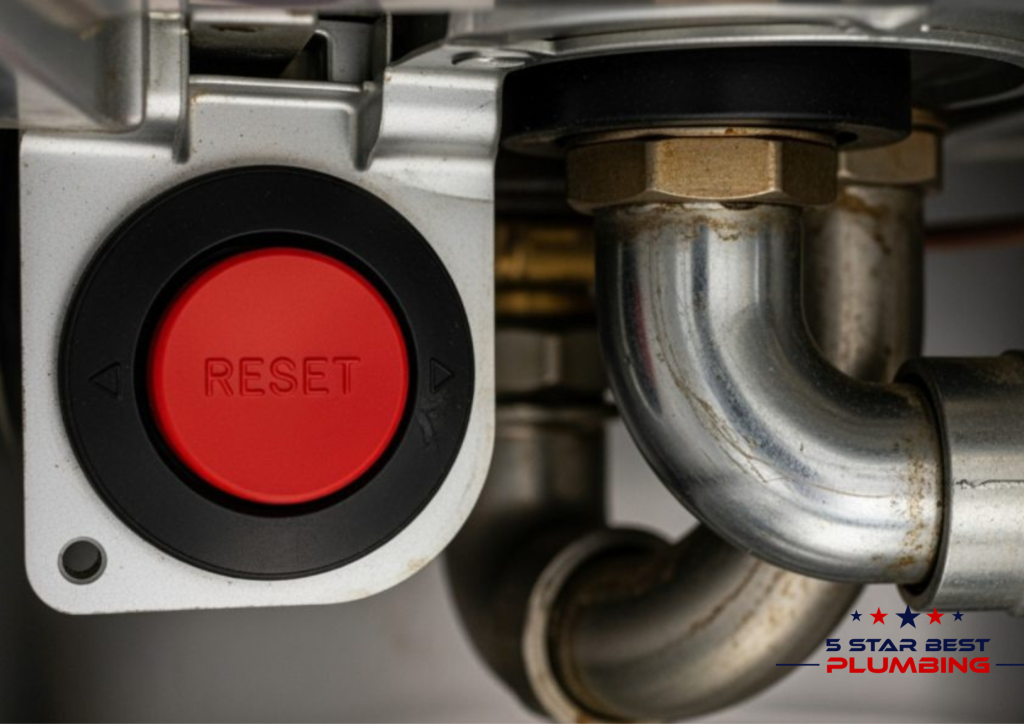
If your garbage disposal is completely silent when you flip the switch — no hum, no noise at all — the thermal overload protector may have tripped and the reset button needs to be pressed. This happens when the motor overheats, usually after a jam or extended use.
How to fix it:
- Turn the disposal switch off and unplug the unit.
- Look at the bottom of the disposal unit under the sink — you will see a small red or black button.
- Press the button firmly until you feel or hear it click into place. If it does not stay in, wait 10 minutes for the motor to cool down and try again.
- Plug the unit back in, run cold water, and turn it on.
This is the simplest fix of all and takes less than 30 seconds. It solves the problem in a surprising number of cases.
3. The Disposal Has No Power
If pressing the reset button does not help and the disposal is completely unresponsive, the issue may be electrical rather than mechanical.
How to fix it:
- Check that the disposal is plugged in under the sink — sometimes the plug loosens over time.
- Go to your electrical panel and check if the circuit breaker for the kitchen has tripped. Reset it if needed.
- Check the wall switch — sometimes the switch itself fails and needs to be replaced.
- If the unit is plugged in, the breaker is fine, and the switch works, try plugging another small appliance into the same outlet to confirm the outlet itself is working.
4. The Disposal Is Leaking
A leaking garbage disposal can cause significant water damage under your sink if left unaddressed. The location of the leak determines the fix.
Common leak locations and fixes:
- Leaking from the top around the sink flange: The putty seal between the disposal and the sink has deteriorated. Remove the disposal, clean off the old plumber’s putty, apply fresh putty, and reseal the flange.
- Leaking from the side at the dishwasher connection: The rubber gasket on the dishwasher inlet has worn out. Remove the hose clamp, pull off the hose, replace the gasket, and reconnect.
- Leaking from the bottom: The internal seals inside the disposal have failed. This typically means the unit needs to be replaced rather than repaired.
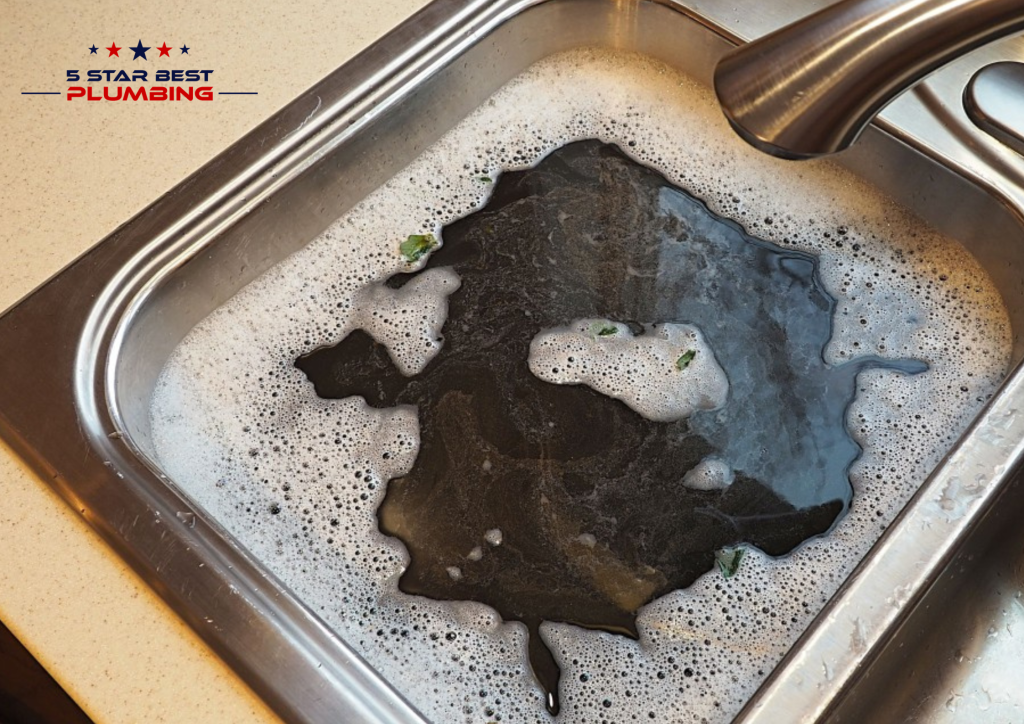
5. The Disposal Drains Slowly or Is Clogged
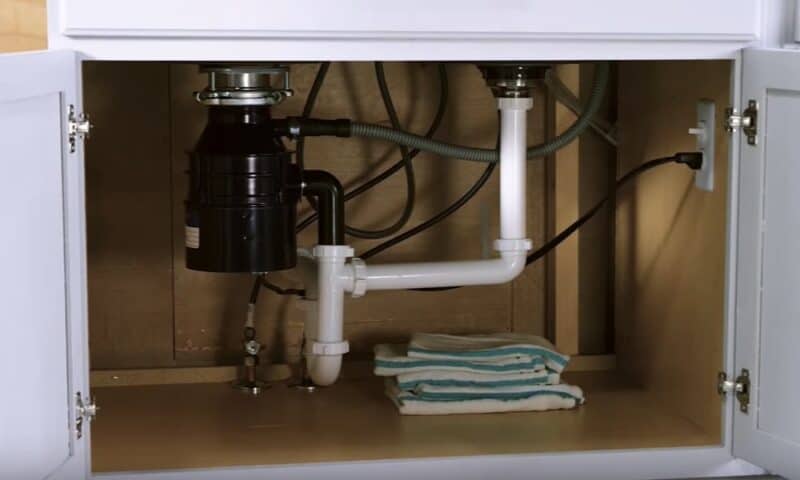
If your disposal runs but water is draining slowly or backing up into the sink, the drain line is likely clogged rather than the disposal itself.
How to fix it:
- Never use chemical drain cleaners in a garbage disposal — they can damage the unit and the pipes.
- Try plunging the sink with a standard cup plunger while the disposal is off.
- If that does not work, the P-trap under the sink may be clogged. Place a bucket under the P-trap, disconnect it, clean it out, and reconnect.
- Run cold water and test the drain.
6. The Disposal Makes a Loud Grinding or Rattling Noise
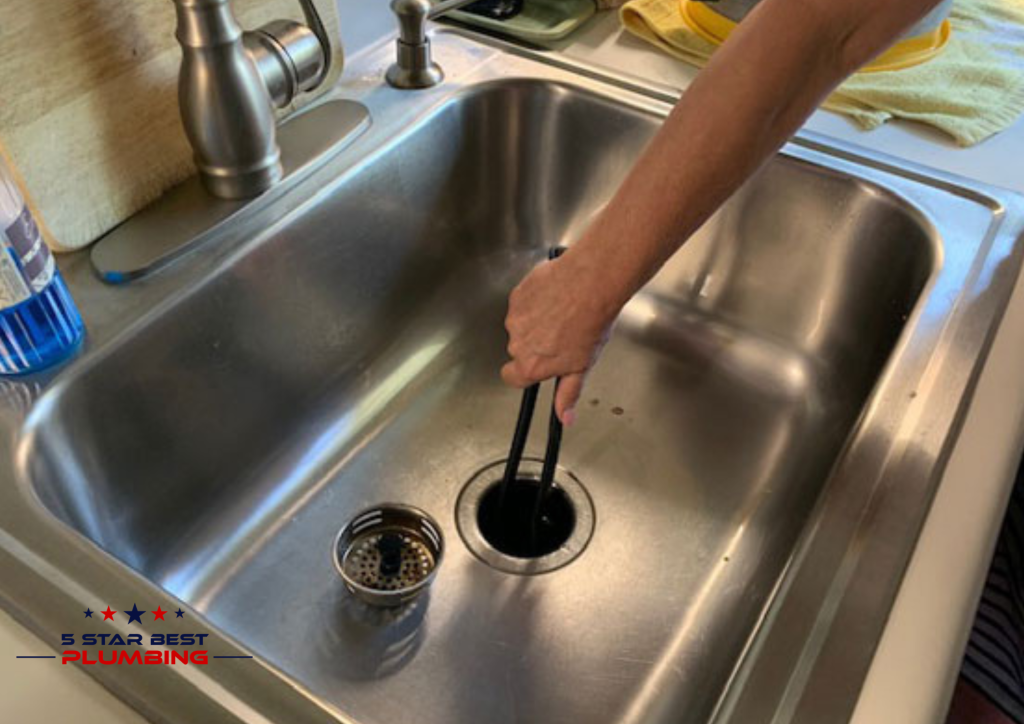
A grinding or rattling sound usually means something hard is stuck inside the unit — a small bone, a bottle cap, a piece of glass, or even a coin. Continuing to operate it with a foreign object inside will damage the impellers and the motor.
How to fix it:
- Turn off and unplug the disposal immediately.
- Use tongs or needle nose pliers to carefully reach inside and remove the object. Never use your hand.
- Use the Allen wrench method to make sure the grinding plate spins freely.
- Restore power and test.
What Never to Put in a Garbage Disposal
Prevention is always better than a repair call. These are the most common items that cause garbage disposal problems:
- Fibrous foods — celery, artichokes, corn husks, and onion skins wrap around the impellers
- Starchy foods — pasta, rice, and potato peels expand with water and create thick paste clogs
- Hard items — bones, fruit pits, and shellfish shells are too hard for most residential disposals
- Grease and oil — solidify inside the drain line and cause serious clogs over time
- Coffee grounds — accumulate and form thick sediment in the drain trap
- Glass, metal, or plastic — anything that is not food waste should never go in the disposal
Grease and fibrous scraps are especially hard on disposals — the EPA has more on why food waste shouldn’t go down the drain.
How to Keep Your Garbage Disposal Running Well
A little maintenance goes a long way:
- Always run cold water while the disposal is running and for 30 seconds after you turn it off
- Cut large food scraps into smaller pieces before feeding them in
- Clean monthly by grinding ice cubes and coarse salt to scour the inside
- Deodorize with citrus by grinding lemon or orange peels
- Never run the disposal dry — always have water flowing when the unit is on
When to Replace Your Garbage Disposal
Consider replacing your unit if:
- It is more than 10 to 12 years old and breaking down frequently
- The motor is leaking from the bottom
- It requires frequent resets and jams even after thorough cleaning
- Repair costs approach or exceed the price of a new unit — a quality residential disposal costs $150 to $400 installed
When to Call a Professional
Most garbage disposal problems are easier to fix than you think — a jammed grinding plate, a tripped reset button, or a slow drain are all things you can resolve yourself in minutes. Start with the basics before assuming the worst.
However if you have worked through every step in this guide and your garbage disposal is still not working — or if you are dealing with a leak, a complete electrical failure, or a unit that keeps breaking down — it is time to call in a professional.
Call The 5 Star Plumbing at (888) 909-0120. Our licensed plumbers serve Los Angeles, Orange County, and the San Francisco area 24 hours a day, 7 days a week. We will diagnose the problem fast, give you an honest recommendation, and get your kitchen back to normal the same day.
FAQs
Why is my garbage disposal humming but not spinning?
A humming disposal that is not spinning is almost always jammed. The motor is running but the grinding plate is stuck. Turn off the power, insert a ¼ inch Allen wrench into the socket at the bottom of the unit, and manually free the jam. Then press the reset button and try again.
How do I reset my garbage disposal?
Look for the small red or black reset button on the bottom of the disposal unit under your sink. Press it firmly until you feel it click. If it does not stay in, let the unit cool for 10 minutes and try again. Then run cold water and turn the disposal on.
How long does a garbage disposal last?
A well-maintained garbage disposal typically lasts 10 to 15 years. If yours is approaching or past this age and experiencing frequent problems, replacement is usually more cost-effective than ongoing repairs.
Can I fix a garbage disposal myself?
Many common garbage disposal problems — jams, tripped reset buttons, and slow drains — can be fixed by homeowners without any special tools. Leaks, electrical issues, and motor failures are best handled by a licensed plumber.