Sinks in the kitchen, bathroom, and even the utility room can become clogged. Clogs are inconvenient, and severe clogs can be expensive and cause major issues in your home plumbing system. That is why it is important to find the most trusted professionals to handle a clogged sink as quickly as possible.
The kitchen sink takes more abuse than any other drain in your home — some people use it as a second trash can without thinking twice. Over time that catches up with you, and the sink starts draining slowly or not at all.
This article covers the most common causes of a clogged sink:
1. Food
Food is the most common cause of kitchen sink clogs. Scraps washed off plates can get trapped in the pipe. Rice, pasta, beans, lentils, brussel sprouts, and potatoes are the worst offenders — they keep absorbing water and expanding well after they go down the drain. Once they’re lodged in the pipe, a drain cleaner or plumbing snake is usually needed to clear them.
2. Small Objects
If you have kids, you know how easily small objects — toys especially — end up in the drain. These cause clogs over time, especially if they go unnoticed.
Avoid putting these down the drain:
- Paper towels
- Eggshells
- Produce stickers
- Coffee grounds
- Fats, oils, or grease
- Rags
- Flushable cat litter
- Flammable or explosive substances
- Prescription and over-the-counter medications
- Feminine hygiene products
3. Hair
A sink or drain clogged with hair is common in bathroom sinks, showers, and tubs. Hair gets trapped in the sludge lining the pipe and builds up over time into a solid mass that usually needs a pipe snake to break up and remove.
4. Corrosion
Corrosion is one of the biggest long-term threats to your plumbing. As pipes rust, the interior walls get rough and narrower, catching more debris and eventually leading to severe leaks or a burst pipe.
5. Grease
Grease is a particularly common cause of clogs. It cools into a sticky residue that traps other debris and builds into a blockage over time. Even a garbage disposal won’t break down liquid grease — it just re-solidifies further down the line. The EPA recommends letting grease cool and throwing it in the trash rather than pouring it down any drain.
If you’ve been wondering how to clean a sink drain, you can rely on an expert at The 5 Star Plumbing. Our team handles clogged sinks, clogged bathroom sinks, and related plumbing repairs at a fair price. Related reading: How to Unclog a Bathroom Sink Drain.
A clogged sink disrupts your whole routine and, left long enough, can quietly raise your water bill. Here’s how to fix it yourself before calling in backup.
Step 1: Remove standing water as soon as possible — it breeds mold, bacteria, and insects quickly.
Step 2: Check the garbage disposal and remove any visible obstructions. Put on rubber gloves and clear out hair or food scraps by hand.
Step 3: Combine boiling water with salt and vinegar, or a cup of baking soda with a half-cup of salt. Let it sit for a few hours, then flush with boiling water.
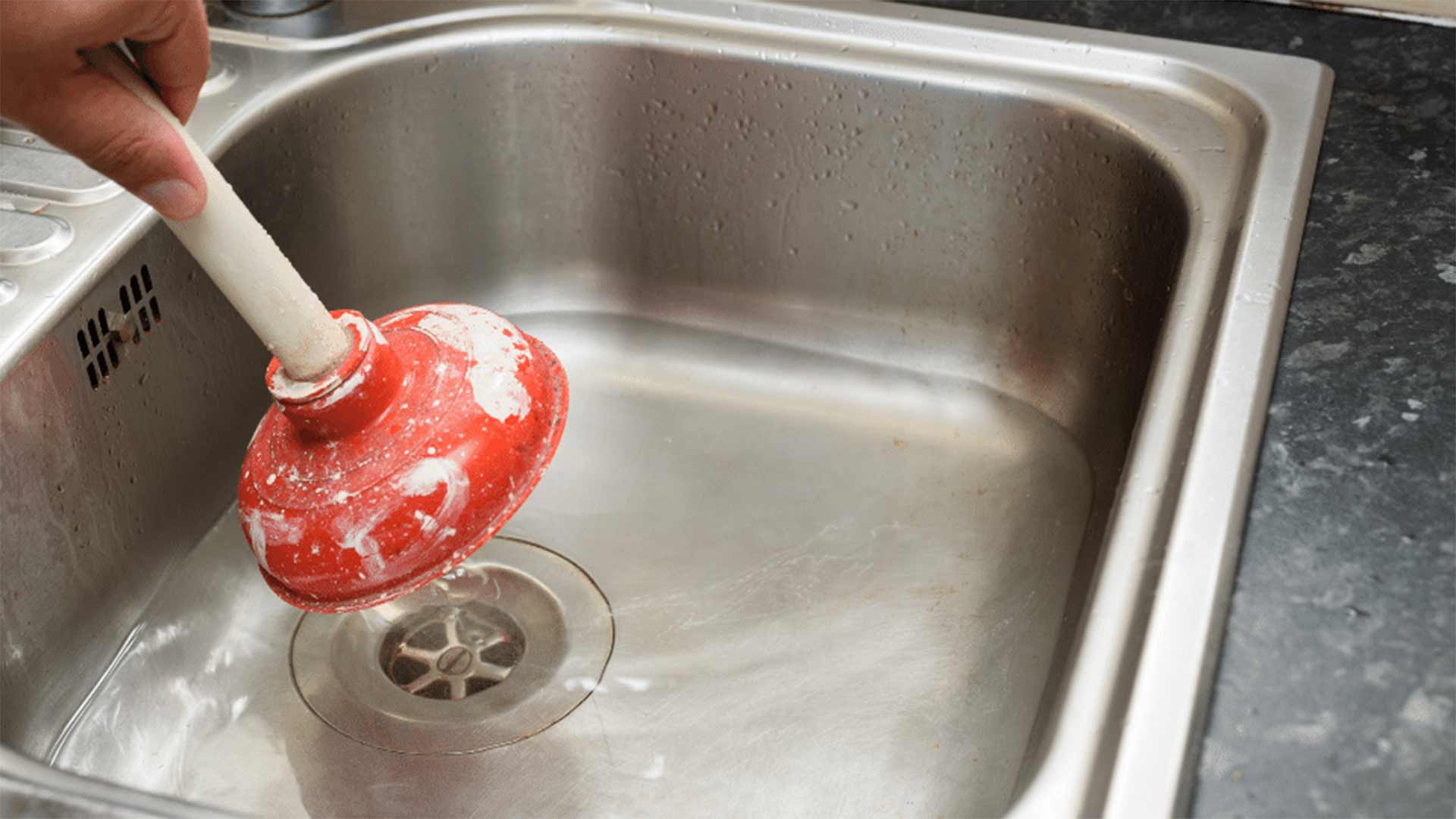
Step 4: If that doesn’t clear it, try plunging.
Step 5: Clean out the P-trap and snake the line.
Step 6: Reassemble the P-trap and flush the newly cleared line with plenty of warm water.
If the clog keeps coming back or none of these steps work, it may be time for hydro jetting to fully clear the line. If you need a reputable plumbing repair company in the Los Angeles & San Francisco area, contact the nearest contractor as soon as possible.
How Much Does It Cost to Fix a Clogged Sink?
A simple DIY fix costs almost nothing beyond a bottle of vinegar and baking soda you likely already have. A professional visit for a stubborn clog typically runs $100–$300 for snaking, while a deeper blockage that needs hydro jetting or a camera inspection can run $250–$600. Catching the problem early with the steps above is almost always the cheapest option.
Frequently Asked Questions
Is it safe to use chemical drain cleaner?
Occasional use is generally fine, but frequent use can corrode older metal pipes and isn’t effective against solid clogs like toys or heavy grease buildup. For anything beyond a light clog, a plumber’s snake or professional visit is safer and more effective.
Why does my sink keep clogging even though I barely use it?
Light use doesn’t prevent grease, soap scum, and hair from slowly narrowing the pipe over months. A sink that clogs with minimal use often points to an existing partial blockage or venting issue rather than daily habits.
How do I know if a clog is local or deep in the line?
If only one fixture is slow to drain, the clog is usually local to that line. If multiple drains back up around the same time, the blockage is likely further down in the main line and needs a professional camera inspection.
Can a garbage disposal handle everything that goes down the kitchen sink?
No. Disposals are not designed for fibrous foods, grease, coffee grounds, or eggshells in large amounts. Running these through the disposal regularly is one of the most common causes of kitchen sink clogs.
Work with Experts Now!
When a clogged kitchen sink refuses to drain, you may feel stuck — water backing up, a counter full of dirty dishes waiting. Our highly trained plumbers are available around the clock and provide advanced repairs for clogged kitchen and bathroom sinks at a reasonable, competitive price.
Our licensed and highly skilled plumbers have over ten years of experience in the industry and respond quickly to plumbing emergencies. We can also help with related issues like leaking sinks.
Contact our customer service team anytime or fill out the form to get started. Call The 5 Star Plumbing right away.