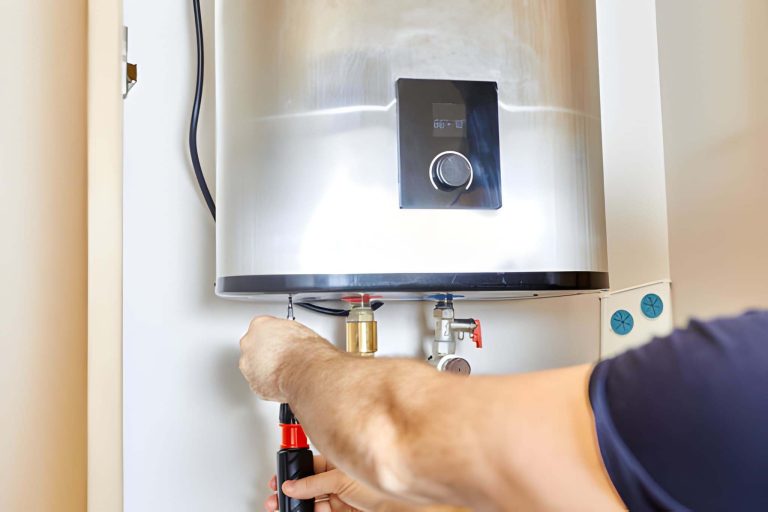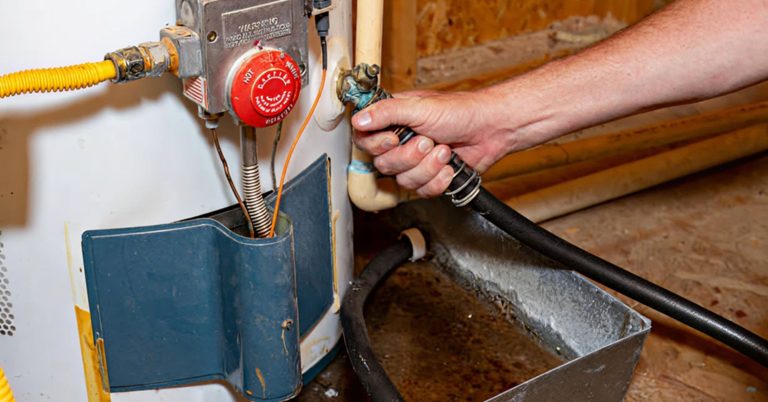
Replacing a tank and not sure which fuel to choose? The gas vs electric water heater decision comes down to four things: what your home is already set up for, upfront cost, monthly operating cost and how much hot water your household uses at once. In short, electric units usually cost a little less to buy and install and need no venting, while gas units usually cost less to run and recover faster after heavy use.
This guide compares a gas vs electric water heater on installed cost, operating cost, lifespan, recovery and safety, using figures from Angi, HomeAdvisor, Bob Vila and ENERGY STAR. It also covers heat pump (hybrid electric) models and what switching fuels involves for homeowners in Los Angeles, Orange County and the surrounding communities.

What This Guide Covers
- Gas vs electric water heater at a glance
- Gas vs electric water heater cost to install
- Monthly operating cost
- Recovery, first hour rating and lifespan
- Venting, space and installation needs
- Where heat pump water heaters fit
- Switching from gas to electric (or the reverse)
- Gas vs electric water heater: which should you choose?
- Frequently asked questions
Gas vs electric water heater at a glance
| Factor | Gas tank | Electric tank |
|---|---|---|
| Installed cost (HomeAdvisor) | $700–$2,700 | $600–$3,500 |
| Unit price difference (Angi, Bob Vila) | Typically $100–$200 more | Typically $100–$200 less |
| Estimated monthly operating cost (Bob Vila) | About $30 | About $42 |
| Typical lifespan (Bob Vila) | 8–12 years | 10–15 years |
| Recovery after heavy use (Angi) | Generally faster | Generally slower |
| Venting and gas line | Required | Not required |
| Works during a power outage (Angi) | Usually, unless it has an electric igniter | No, without backup power |
No single row decides the gas vs electric water heater question for every home. The sections below explain where each difference matters most.
Gas vs electric water heater cost to install
Start with what you’ll pay on day one, since that’s the most visible part of the gas vs electric water heater comparison. According to HomeAdvisor, a typical water heater installation costs $882–$1,810, with a national average of about $1,333. By fuel type, HomeAdvisor lists gas models at $700–$2,700 and electric models at $600–$3,500 installed; tankless units run $1,400–$3,900. Labor makes up about half of the total.
Angi and Bob Vila both say a gas water heater typically costs $100 to $200 more than a similar electric model. Angi notes that a straight swap of an existing gas unit costs about $500, while a brand-new gas installation can reach $2,000 because of the gas line and venting work.
| Cost item | Typical range | Source |
|---|---|---|
| Typical installation, any fuel | $882–$1,810 (average about $1,333) | HomeAdvisor |
| Gas water heater, installed | $700–$2,700 | HomeAdvisor |
| Electric water heater, installed | $600–$3,500 | HomeAdvisor |
| Labor, tank-to-tank replacement | $150–$450 | HomeAdvisor |
| New gas line when switching to gas | $260–$820 | Angi |
The 5 Star Plumbing’s typical price for water heater installation is $2,000–$12,000+; the exact price is confirmed after the technician sees the job.
Monthly operating cost
Running cost is where the gas vs electric water heater comparison usually tips toward gas. Bob Vila estimates that a gas water heater costs about $30 a month to run, compared with about $42 a month for a standard electric model. Angi agrees that gas units are generally less expensive to operate, but both note that the real gap depends on your local gas and electric rates, tank size and how much hot water your household uses.
That caveat matters in Southern California, where utility rates differ by provider and plan. Before deciding, compare your own gas and electric bills, or ask your utility for current rates, rather than relying on a national average.
Check the efficiency rating
Efficiency labels make it easier to compare a gas vs electric water heater on more than price alone. Angi recommends comparing each model’s energy rating on its label: a higher number means a more efficient unit. Compare models of the same fuel against each other, then weigh the rating against your local energy prices.
Recovery, first hour rating and lifespan
Angi notes that gas water heaters generally heat water faster and perform better in their first hour than electric models of the same size. That’s why the first hour rating, the number of gallons a heater can deliver in an hour starting with a full tank, matters more than tank gallons when you compare a gas vs electric water heater. Two 50-gallon tanks can have very different first hour ratings. Our guide to sizing a water heater by household and first hour rating walks through the math.
On lifespan, Bob Vila puts gas tanks at 8–12 years and electric tanks at 10–15 years. Angi says a well-maintained gas unit should last at least 10 years and that electric units tend to last a couple of years longer.
Venting, space and installation needs
Installation requirements are one of the biggest practical differences in a gas vs electric water heater decision, especially when the heater sits in a closet, garage or attic.
Gas water heaters
- Need a gas supply line sized for the burner and a properly installed vent to carry exhaust outside.
- Angi recommends carbon monoxide detectors in homes with gas appliances.
- Usually keep working during a power outage, unless the model uses an electric igniter.
Electric water heaters
- Need only a water supply and an electrical circuit; no vent or gas line.
- Angi notes they are generally smaller and easier to maintain.
- Stop heating during a power outage unless you have backup power.
Both
California law requires residential water heaters to be braced, anchored or strapped to resist earthquake movement, whatever the fuel. Ask whether your city requires a permit for the replacement; a licensed plumber can pull one when needed. For a closer look at the gas side, see our step-by-step look at installing a gas unit safely.
Where heat pump water heaters fit
A heat pump (hybrid) water heater is an electric unit that moves heat from the surrounding air into the water instead of creating heat directly. It changes the gas vs electric water heater math, because it uses far less electricity than a standard electric tank.
ENERGY STAR estimates that a certified heat pump water heater can save a household of four about $550 a year on electric bills compared with a standard electric water heater, or more than $5,610 over its lifetime. Its estimates by household size:
| Household size | Estimated yearly savings | Estimated lifetime savings |
|---|---|---|
| 2 people | $270 | $2,050 |
| 3 people | $410 | $3,830 |
| 4 people | $550 | $5,610 |
ENERGY STAR’s figures assume an electricity rate of $0.146 per kWh, so savings will differ at Southern California rates. Heat pump models also cost more upfront and need room and airflow around the unit, so ask your plumber whether your garage, closet or utility room can work.
Switching from gas to electric (or the reverse)
The cheapest answer to the gas vs electric water heater question is often the fuel your home already has, because switching adds work:
- Electric to gas: Angi estimates $260–$820 for a plumber to run a new gas line, plus venting.
- Gas to electric: Angi gives two different estimates for this conversion: “upwards of $1,500” in one place and $870–$4,100 in another. A new circuit or electrical panel work can push the cost up.
If you’re replacing a failed tank in a hurry, a like-for-like swap is usually fastest and least expensive. If you have time to plan, compare the full cost of switching against the expected operating savings. Our water heater replacement guide covers the signs it’s time and what to expect on install day.
Gas vs electric water heater: which should you choose?
Here’s a simple way to settle the gas vs electric water heater question for your home. Start with what you have, then look at how your household uses hot water.
A gas water heater makes sense if:
- Your home already has a gas line and a properly vented location
- Several people shower back to back and you need fast recovery
- You want hot water during power outages
An electric water heater makes sense if:
- Your home has no gas service, or the heater location can’t be vented
- You want the lowest upfront cost and simpler maintenance
- You’re considering a heat pump model to cut operating costs
Thinking about going tankless instead? Our comparison of tankless and tank water heaters covers that choice.
The bottom line
In the gas vs electric water heater decision, electric usually wins on upfront cost, simplicity and lifespan, while gas usually wins on operating cost and recovery speed. A heat pump electric model can close the operating-cost gap. For most homes, the best choice is the fuel you already have, unless a planned switch pays for itself over the life of the heater.
The 5 Star Plumbing handles water heater replacement and installation for gas, electric and tankless units, with experience since 2006. We’re a family-owned, licensed plumber (CA license #1041772) serving Los Angeles, Orange County and the surrounding communities, 24/7. Call (888) 909-0120 or request service online, and ask about our financing options.
Frequently asked questions: gas vs electric water heater
Is a gas or electric water heater cheaper to run?
Usually gas. Bob Vila estimates about $30 a month for gas versus about $42 for a standard electric tank, but your local gas and electric rates decide the real difference.
Which costs less to install?
Electric, in most cases. Angi and Bob Vila say a gas unit typically costs $100–$200 more than a comparable electric model, and gas installs also need venting and a gas line.
Which lasts longer, gas or electric?
Electric tanks tend to last a bit longer. Bob Vila puts gas at 8–12 years and electric at 10–15 years.
Which heats water faster?
Gas. Angi notes gas units generally recover faster and perform better in the first hour, which helps households with back-to-back showers.
Does a gas water heater work without power?
Usually, according to Angi, unless the model has an electric igniter or controls. A standard electric water heater stops heating during an outage.
Is a heat pump water heater better than gas?
It depends on your rates and space. ENERGY STAR estimates a heat pump model saves a family of four about $550 a year compared with a standard electric tank, but it costs more upfront and needs room and airflow.
Can I switch from a gas to an electric water heater?
Yes. Expect electrical work, and possibly a new circuit. Angi’s conversion estimates run from about $870 to $4,100, with one figure given as “upwards of $1,500.”
Is a gas or electric water heater safer?
Both are safe when installed correctly. Gas units add a gas line and exhaust venting, so Angi recommends carbon monoxide detectors; electric units have no combustion but need a properly sized circuit.
Do both types need earthquake straps in California?
Yes. California law requires residential water heaters to be braced, anchored or strapped, whether they run on gas or electricity.
Sources: HomeAdvisor — Water Heater Installation Cost · Angi — Gas vs. Electric Water Heaters · Bob Vila — Gas vs. Electric Water Heater Monthly Cost · ENERGY STAR — Heat Pump Water Heater Benefits and Savings · California Health and Safety Code § 19211 (Justia)