If your old tank is near the end of its life, the tankless water heater pros and cons are worth understanding before you buy a replacement. A tankless unit heats water only when you open a tap, so it never runs out the way a 40- or 50-gallon tank can. It also costs more to install, has a flow-rate limit, and needs regular descaling. Neither option is the right choice for every home.
This guide walks through the tankless water heater pros and cons, comparing tankless and tank models on cost, energy use, lifespan, hot water supply and maintenance, using published figures from national cost guides and the U.S. Department of Energy. It also covers what changes for homes in Los Angeles, Orange County and the surrounding communities, where older gas lines, venting and permits often decide the final price.
What This Guide Covers
- How tankless and tank water heaters work
- The pros of going tankless
- The cons of going tankless
- Tankless vs. tank: side-by-side comparison
- What changes for Los Angeles and Orange County homes
- Which water heater is right for your home?
- Frequently asked questions
How tankless and tank water heaters work
A conventional storage water heater keeps a tank of water hot around the clock. When you use hot water, cold water flows in at the bottom and the burner or elements reheat it. Because the tank is always holding hot water, it loses some heat even when nobody is using it. This is called standby loss.
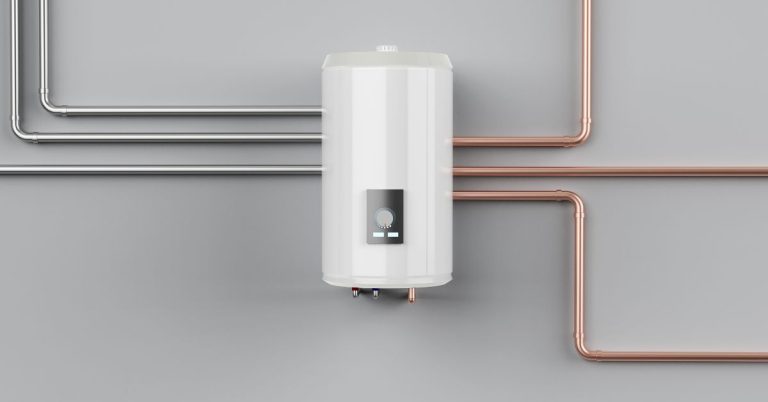
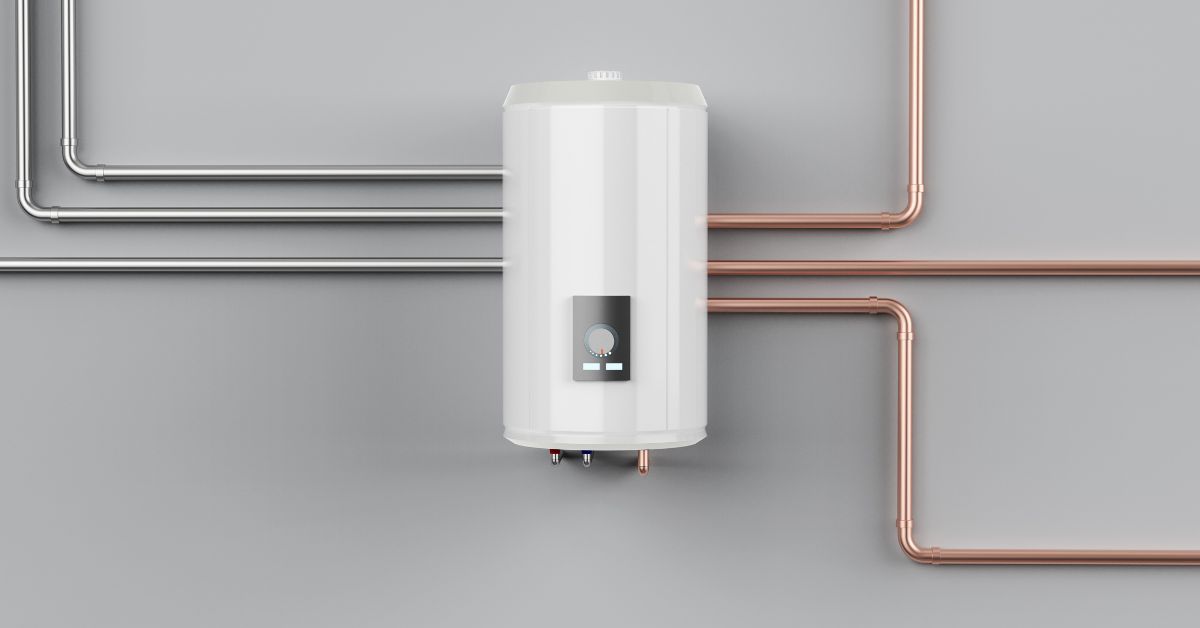
A tankless (on-demand) water heater has no tank. When a faucet or shower opens, a flow sensor turns on a gas burner or electric element, and water is heated as it passes through a heat exchanger. When the tap closes, the unit shuts off. That one design difference explains most of the tankless water heater pros and cons below: no standby loss and no tank to empty, but a limit on how much hot water can be heated at one time.
Condensing vs. non-condensing tankless units
Gas tankless heaters come in two types. Condensing units capture extra heat from the exhaust, run more efficiently and can use less expensive venting because the exhaust is cooler. Non-condensing units cost less to buy but need metal venting, which can be expensive, according to This Old House. The type you choose affects both the upfront price and the long-term operating cost.
Tankless water heater pros and cons, part 1: the pros
On the plus side of the tankless water heater pros and cons list, the main advantages are lower energy use, a longer service life and hot water that does not run out after a few showers.
1. Lower energy use
The U.S. Department of Energy says demand water heaters can be 24% to 34% more energy efficient than conventional storage tank water heaters for homes that use 41 gallons or less of hot water daily, and 8% to 14% more efficient for homes that use around 86 gallons per day. Angi estimates the savings at about $110 per year for a natural gas tankless unit and about $45 per year for an electric one, compared with a tank. We go deeper into the numbers in our guide on how tankless units lower your energy bills.
2. Longer lifespan
Cost guides put the life expectancy of a tankless heater at about 20 years with proper maintenance. Angi lists 10 to 12 years for a storage tank and This Old House lists 10 to 15 years. Lifespan is one of the clearest gaps in the tankless water heater pros and cons. Over two decades, a household with a tank may replace it once or twice, while a well-maintained tankless unit may still be running.
3. Continuous hot water
Water is heated as it flows, so there is no tank to recover after back-to-back showers. As long as total demand stays within the unit’s flow rating, the hot water keeps coming.
4. Space savings
Angi describes a whole-house tankless unit as roughly the size of a suitcase, compared with a tank that can stand 5 to 6 feet tall. A wall-mounted unit can free up floor space in a garage, closet or laundry room.
Tankless water heater pros and cons, part 2: the cons
The other half of the tankless water heater pros and cons is mostly about cost, capacity and upkeep. These drawbacks matter more in some homes than others.
1. Higher upfront cost
Angi reports that replacing a tank water heater typically costs $600 to $2,500, while a tankless replacement runs about $1,400 to $3,900, and some models cost more. This Old House lists an average installation of $2,600 for tankless versus $2,100 for a tank. A first-time conversion can cost more because of gas line, venting or electrical work.
2. Long payback period
Payback is where the tankless water heater pros and cons get personal. The energy savings are real, but they take years to cover the higher price. Angi estimates a payback period of 9 to 14 years for a gas tankless unit and 18 to 34 years for an electric unit. If you plan to sell the home soon, you may not recover the difference.
3. Limited flow rate
Angi notes that tankless units typically deliver 2 to 5 gallons per minute (GPM). This Old House lists common fixture flow rates of 1.25 to 2.5 GPM for a showerhead, 1 to 2.5 GPM for a dishwasher and 1.5 to 3 GPM for a washing machine. Two showers plus a washer can overwhelm an undersized unit. Some large households need a bigger unit or two units.
4. Delays and temperature swings
Hot water still has to travel through your pipes, and a tankless unit takes a moment to fire up. Both This Old House and Angi mention a slight delay or a brief burst of cooler water, and Angi notes that temperatures can fluctuate under heavy use.
5. Regular descaling
Minerals in hard water build up inside the heat exchanger. Angi recommends descaling and flushing at least once a year, plus cleaning the inlet filter and, on gas units, the air intake and exhaust vents. Skipping this shortens the unit’s life. Our tankless descaling service covers this maintenance.
6. Needs electricity, even for gas models
Gas and propane tankless units still need electrical power to run their controls and fans, so they stop working during a power outage, according to Angi.
Tankless vs. tank: side-by-side comparison
This table summarizes the tankless water heater pros and cons above so you can compare both options at a glance.
| Factor | Tank water heater | Tankless water heater |
|---|---|---|
| Typical replacement cost (Angi) | $600–$2,500 | $1,400–$3,900 |
| Average installation (This Old House) | $2,100 | $2,600 |
| Typical lifespan | 10–15 years | About 20 years |
| Energy efficiency (DOE) | Baseline, with standby loss | 8%–34% more efficient, depending on hot water use |
| Hot water supply | Limited by tank size; needs recovery time | Continuous, limited by flow rate (about 2–5 GPM) |
| Space | Floor-standing tank, 5–6 ft tall | Wall-mounted, about suitcase size |
| Routine maintenance | Periodic tank flushing | Descaling at least once a year |
| Power needed | Gas or electric, depending on model | Electricity needed even for gas models |
National figures from Angi, This Old House and the U.S. Department of Energy. Local prices vary.
Tankless water heater pros and cons for Los Angeles and Orange County homes
National averages describe a simple swap. In Southern California, a few local factors can shift the tankless water heater pros and cons one way or the other.
Older gas lines and venting
Many homes in Los Angeles and Orange County were plumbed for a standard tank. A high-BTU gas tankless unit may need a larger gas line, and old tank vents usually cannot be reused. Angi puts venting for a non-condensing unit at $1,000 to $3,500. These items are often the reason one quote is much higher than another, and they belong on your list of tankless water heater pros and cons.
Permits in the City of Los Angeles
The Los Angeles Department of Building and Safety (LADBS) requires a plumbing permit to replace a gas water heater in a single-family home, unless the work is done by a contractor with a valid LADBS Certificate of Registration. That exception is limited to replacing a water heater of equivalent capacity, BTU rating and vent capacity. A tank-to-tankless conversion usually changes the BTU rating and venting, so plan for a permit. Other cities in Los Angeles County and Orange County set their own rules, so check with your local building department.
Local pricing from The 5 Star Plumbing
For most families, price is the deciding item in the tankless water heater pros and cons. The 5 Star Plumbing’s typical price for water heater installation, tank or tankless, is $2,000 to $12,000+. Our typical price for tankless descaling is $350 to $400. The exact price is confirmed after the technician sees the job. For a full line-by-line breakdown, see our 2026 guide to tankless installation prices in Los Angeles.
| Job | The 5 Star Plumbing typical price |
|---|---|
| Water heater installation (tank or tankless) | $2,000–$12,000+ |
| Tankless descaling | $350–$400 |
Typical ranges only. The exact price is confirmed after the technician sees the job.
Do not count on the old federal tax credit
Some older articles still mention a 30% federal credit for efficient water heaters. The IRS states that the Energy Efficient Home Improvement Credit is not allowed for property placed in service after December 31, 2025. Ask a tax professional about current incentives.
Which water heater is right for your home?
Weighing the tankless water heater pros and cons comes down to how you use hot water and how long you plan to stay.
A tankless unit is often a good fit if:
- You plan to stay in the home for 10 years or more.
- Your household regularly runs out of hot water with a tank.
- You want to free up floor space in a garage or closet.
- Your gas line and venting can support the unit, or you are ready to upgrade them.
- You are willing to schedule descaling at least once a year.
A tank may still make more sense if:
- You plan to sell within a few years.
- Your gas line, venting or electrical panel would need extensive work.
- Your household often runs several showers and appliances at the same time.
- You want the lowest upfront cost.
Whichever side of the tankless water heater pros and cons wins for you, sizing matters. This Old House gives rough guidance of about 140,000 BTU for a one-bathroom home with one or two people and about 190,000 BTU for a two-bathroom home with two or three people. A licensed plumber can measure your actual flow rates and recommend a size. Learn more about our tankless water heater installation and repair service.
The bottom line
The tankless water heater pros and cons come down to a trade-off. Tankless heaters use less energy, last longer and never run out of hot water within their flow rating. Tanks cost less upfront, handle several fixtures at once and are simpler to maintain. The right choice depends on your home, your budget and your plans. The 5 Star Plumbing (CA License #1041772) has served homeowners since 2006 and is family owned and operated. We are available 24/7 across Los Angeles, Orange County and the surrounding communities. Ask about financing options, check our current promotions, call (888) 909-0120 or contact us online.
Frequently asked questions: tankless water heater pros and cons
What are the main tankless water heater pros and cons?
The main pros are lower energy use, a lifespan of about 20 years, continuous hot water and a smaller footprint. The main cons are a higher upfront cost, a long payback period, a limited flow rate, the need for annual descaling and no operation during a power outage.
Is a tankless water heater worth it?
After weighing the tankless water heater pros and cons, it is often worth it if you plan to stay in the home for many years and your gas line and venting can support it. Angi estimates a payback of 9 to 14 years for gas units and 18 to 34 years for electric units, so short-term owners may not recover the extra cost.
How long does a tankless water heater last compared with a tank?
Cost guides put a well-maintained tankless unit at about 20 years. Tanks typically last 10 to 15 years, according to This Old House.
Can a tankless water heater run out of hot water?
Running out is one of the most misunderstood tankless water heater pros and cons. It will not run out the way a tank does, but it can only heat a certain number of gallons per minute. If several fixtures run at once and demand exceeds the unit’s rating, water may turn lukewarm.
Do tankless water heaters work during a power outage?
No. Angi notes that gas and propane tankless units still need electricity for their controls, so they stop working when the power is out.
How often does a tankless water heater need maintenance?
Angi recommends descaling and flushing at least once a year, along with cleaning the inlet filter and checking the vents on gas models. Homes with hard water benefit most from regular descaling, which is why maintenance sits on the cons side of the tankless water heater pros and cons.
Do I need a permit to switch from a tank to a tankless water heater in Los Angeles?
Usually, yes. In the City of Los Angeles, LADBS requires a plumbing permit to replace a gas water heater unless a registered contractor is installing an equivalent unit. A conversion to tankless usually changes the BTU rating and venting.
Are gas or electric tankless water heaters better?
The tankless water heater pros and cons differ by fuel. Gas units generally deliver higher flow rates and pay back faster, but they need gas line capacity and venting. Electric units cost less to install when the electrical panel can support them, but they may need a panel upgrade and can struggle with several fixtures at once.
Sources: Angi — Tankless Water Heater Pros and Cons · Angi — Tankless Water Heater vs. Tank · This Old House — Tankless Water Heaters: A Buyer’s Guide · U.S. Department of Energy — Tankless or Demand-Type Water Heaters · LADBS — Permit to Replace a Gas Water Heater · IRS — FAQs on 25C changes under Public Law 119-21