Start the year strong by scheduling winter water heater repair, flushing sediment, checking pressure valves, and insulating pipes. Preventive care boosts efficiency, prevents cold-season breakdowns, and extends your water heater’s lifespan.
Key Takeaways:
- Schedule early inspections to avoid winter failures
- Flush sediment to improve heating efficiency
- Check valves and connections for safety
- Preventive care reduces repair costs and downtime
Table of Contents
Strategic Water Heater Care at the Start of the Year
We begin the year by focusing on system stability, performance consistency, and long-term reliability. A water heater that enters January unprepared often becomes a silent drain on energy, comfort, and operational budgets. Early attention allows us to stabilize performance, reduce stress on components, and maintain uninterrupted hot water delivery throughout the coldest months.
This guide outlines structured actions, expert-level observations, and service-oriented insights designed to protect residential and commercial water heaters from seasonal stress while extending service life and preserving efficiency.
Understanding Early-Year Stress on Water Heating Systems
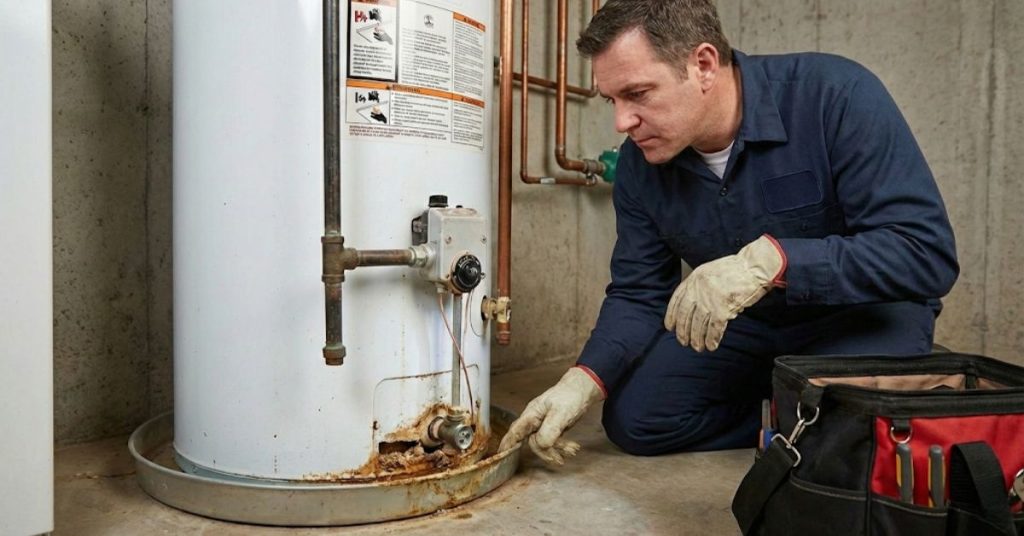
Cold months place unique mechanical and thermal demands on water heaters. Temperature fluctuations, increased usage, and pressure changes contribute to early component fatigue. Addressing these factors immediately after the year begins positions the system for predictable performance and controlled operating costs.
Key stress contributors include:
- Thermal contraction of internal components
- Sediment hardening at tank bases
- Increased demand during colder mornings
- Reduced incoming water temperatures
- Pressure valve fatigue from expansion cycles
Ignoring these conditions often results in emergency calls for winter water heater repair, which disrupt operations and increase overall service costs.
Early-Year Water Heater Maintenance Priorities
Proactive System Stabilization
A structured approach to early year water heater maintenance ensures that the system operates within optimal parameters before minor inefficiencies escalate. We focus on mechanical balance, thermal regulation, and safety verification.
Primary actions include:
- Flushing sediment buildup to improve heat transfer
- Inspecting heating elements for scaling or corrosion
- Verifying thermostat calibration for stable output
- Checking anode rod integrity to prevent internal corrosion
- Testing pressure relief valves for safety compliance
These measures help reduce strain and create a reliable baseline for the rest of the year.
Common Cold-Season Performance Risks
Identifying Vulnerabilities Before Failure
Cold climates introduce specific vulnerabilities that require precise attention. Addressing cold weather water heater issues early prevents system downtime and maintains consistent hot water availability.
High-risk indicators include:
- Inconsistent water temperatures
- Extended recovery times
- Unusual expansion noises
- Pressure fluctuations
- Discolored or metallic-tasting water
Each of these signs points to developing mechanical inefficiencies that should be addressed immediately rather than deferred.
Preventive Repair Strategies That Protect Performance
Targeted Interventions with Long-Term Impact
Implementing preventive water heater repair focuses on resolving micro-failures before they become system-wide problems. These targeted interventions reduce the likelihood of emergency breakdowns during peak seasonal demand.
Preventive repair actions include:
- Replacing worn gaskets and seals
- Upgrading aging thermostats
- Securing electrical connections
- Reinforcing venting and exhaust pathways
- Balancing internal pressure settings
This approach minimizes unplanned outages while maintaining operational predictability.
Optimizing Winter Energy Performance
Efficiency Preservation During Peak Demand
Energy efficiency often declines during colder months due to increased demand and thermal loss. Maintaining water heater efficiency winter repair standards ensures consistent output without excessive energy consumption.
Efficiency-focused measures include:
- Insulating hot water pipes
- Verifying tank insulation integrity
- Adjusting temperature settings to optimal ranges
- Reducing standby heat loss
- Monitoring cycling frequency
These actions preserve efficiency while protecting internal components from overexertion. For additional strategies to save energy with your water heater, check the U.S. Department of Energy’s water heating guide.
Structured Inspection for Seasonal Reliability
Why Timing Matters
A well-timed seasonal water heater inspection creates a clear performance snapshot before sustained cold exposure causes hidden damage. Regular inspections help catch small problems early, reducing the risk of costly repairs. For more on why preventive inspections matter, read our post on Why Regular Plumbing Inspections Prevent Costly Leaks.
Inspection checkpoints include:
- Tank exterior integrity
- Electrical and gas connection stability
- Ventilation clearance
- Leak detection at fittings
- Control system responsiveness
These inspections ensure regulatory compliance and uninterrupted operation.
Annual Service as a Performance Anchor
Consistency Through Professional Oversight
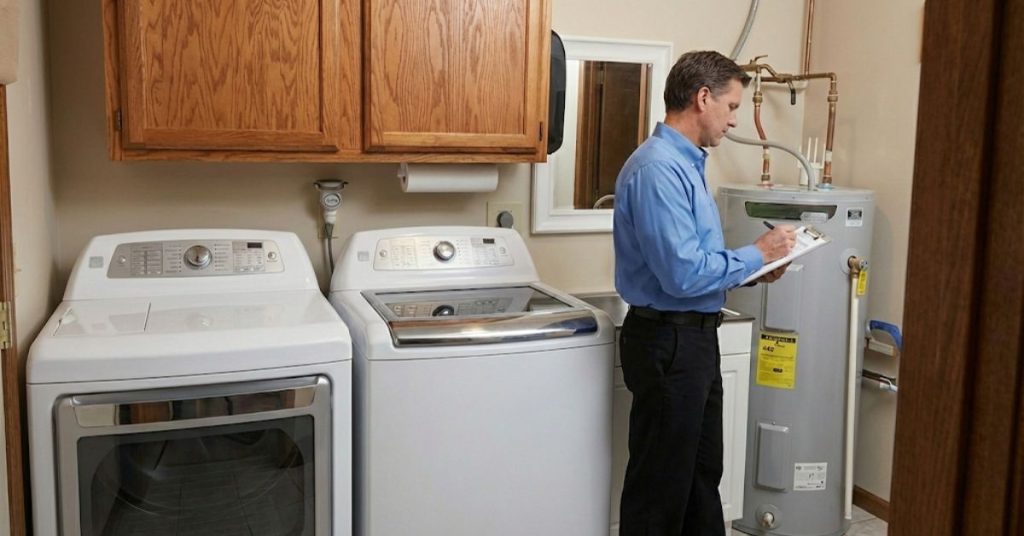
Scheduling a single annual water heater service establishes accountability, documentation, and consistent performance standards. Annual servicing aligns system health with usage patterns and environmental conditions.
Service benefits include:
- Extended equipment lifespan
- Predictable maintenance costs
- Improved safety compliance
- Stable temperature delivery
- Reduced emergency intervention
This structured approach transforms water heater care from reactive to strategic.
Get your water heater repaired or replaced the same day
Early-Year Risk Reduction Through Planning
Operational Stability Through Preparedness
Planning water heater care at the beginning of the year reduces operational uncertainty. Proactive scheduling avoids peak-season congestion and ensures priority service access when needed most.
Planning advantages include:
- Lower repair costs
- Improved scheduling flexibility
- Reduced downtime risk
- Higher system reliability
- Better long-term budgeting
Avoiding last-minute winter water heater repair scenarios protects both comfort and resources.
Signs Immediate Attention Is Required
Non-Negotiable Warning Indicators
Certain conditions demand immediate action to prevent cascading damage:
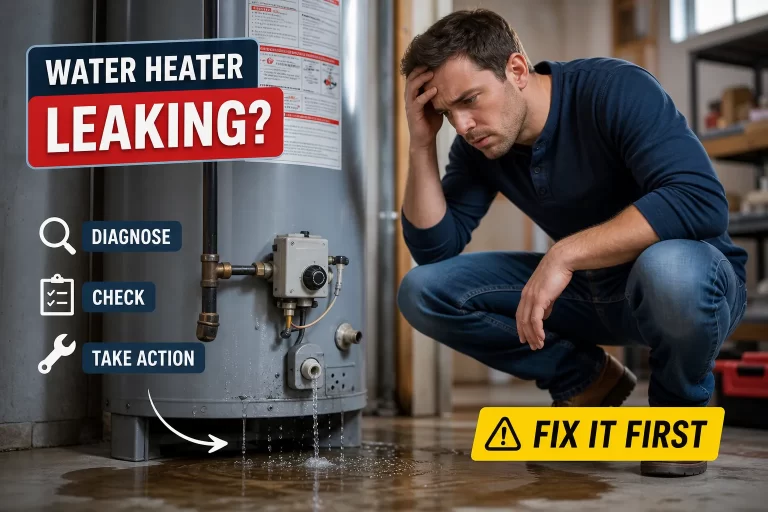
- Water pooling near the tank base
- Rapid pressure relief valve discharge
- Sudden loss of hot water
- Burning or metallic odors
- Repeated circuit interruptions
Prompt intervention prevents escalation and preserves system integrity. For more details on critical warning signs, check our guide on 5 Signs Your Water Heater Needs Immediate Attention.
Professional Water Heater Services: Who to Call
For reliable water heater inspections, repairs, and preventive maintenance, trust The 5 Star Plumbing. Our licensed experts have the skills and experience to identify issues early, ensuring your system operates safely and efficiently throughout the winter.
Why Choose Our Services:
- Early detection of potential issues to prevent costly repairs
- Fast and reliable service for uninterrupted hot water
- Extended water heater lifespan through preventive maintenance
- Licensed professionals ensuring safety and compliance
Scheduling service early helps avoid emergency breakdowns and maximize efficiency.
Protect your hot water—contact us today!
Conclusion: Establishing a Reliable Foundation for the Year Ahead
Early-year water heater care is a smart investment in reliability, efficiency, and long-term savings. Addressing minor issues now prevents energy waste, reduces the risk of winter breakdowns, and ensures consistent hot water for your home or business throughout the year.
For professional inspections, repairs, or preventive maintenance, trust The 5 Star Plumbing. Our licensed experts provide fast, reliable service, helping your water heater run safely and efficiently while extending its lifespan and avoiding costly emergency repairs.
Keep your hot water flowing—book now!
FAQs
How often should I flush my water heater?
Flushing your water heater once a year, ideally at the start of winter, removes sediment buildup, improves efficiency, and extends tank life.
What are the signs that my water heater needs winter maintenance?
Watch for inconsistent water temperatures, strange noises, slow recovery, pressure valve discharge, or discolored water—these indicate your system may need attention.
Can I perform preventive maintenance myself?
Simple tasks like flushing the tank, checking pressure valves, and inspecting for leaks can be done safely by homeowners, but professional inspections ensure thorough, safe service.
Why is early-year water heater repair important?
Winter months stress water heaters due to temperature fluctuations and increased demand. Early repair prevents costly breakdowns, maintains efficiency, and extends lifespan.
How can I improve my water heater’s energy efficiency in winter?
Insulate pipes, check tank insulation, adjust thermostat to optimal settings, reduce standby heat loss, and monitor cycling frequency for peak efficiency.