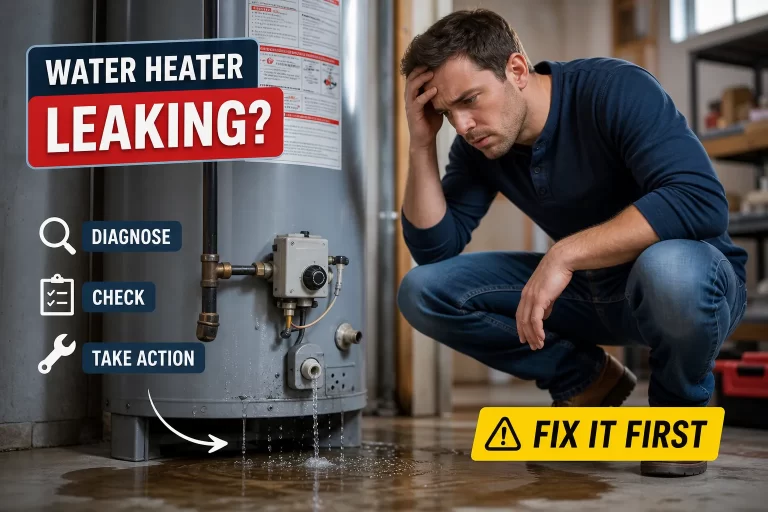
Eco-friendly plumbing solutions help homeowners reduce water waste, lower energy use, and improve long-term efficiency. By upgrading to water-saving plumbing fixtures, best energy-efficient water heaters, and sustainable materials, eco-friendly plumbing solutions create a greener, cost-saving home environment.
Key Takeaways:
- Cuts water and energy consumption
- Reduces utility costs
- Supports a sustainable, greener home
Creating an energy-efficient home begins with integrating smart, sustainable systems that conserve resources while improving day-to-day comfort. As environmental concerns grow, eco-friendly plumbing solutions have become essential for homeowners committed to reducing water consumption, lowering utility costs, and minimizing carbon impact. We provide innovative, reliable, and high-performance plumbing strategies that transform homes into efficient, eco-conscious living spaces.
Table of Contents
Understanding the Role of Eco-Friendly Plumbing in Modern Homes
Sustainable plumbing is more than just an upgrade—it is a long-term investment in efficiency, resource conservation, and environmental responsibility. By incorporating modern eco-friendly systems, homeowners can significantly reduce water waste, optimize hot water usage, and ensure that plumbing infrastructure operates at peak performance while using minimal energy. These upgrades provide immediate benefits, such as lower utility bills and improved household comfort.
Beyond cost savings, sustainable plumbing enhances the overall health and longevity of a home. Environmentally conscious choices not only contribute to a greener planet but also increase property value, making homes more attractive to future buyers. Investing in eco-friendly plumbing ensures long-term efficiency and a more sustainable lifestyle.
High-Efficiency Fixtures That Reduce Water Waste
Low-Flow Faucets and Showerheads
Low-flow fixtures incorporate advanced aeration technology to maintain strong water pressure while using significantly less water. By integrating low-flow faucets, showerheads, and aerators, homeowners can reduce water usage by up to 60% without compromising performance. These fixtures are among the simplest ways to reduce overall consumption, directly lowering monthly water bills and energy used for heating.
Homeowners can further ensure water efficiency by selecting water-saving plumbing fixtures certified by the EPA’s WaterSense program, which identifies products that meet strict criteria for water conservation and performance.
Dual-Flush and High-Efficiency Toilets
Toilets account for nearly 30% of household water usage. Dual-flush systems allow users to choose between full or partial flushes, saving thousands of gallons annually. High-efficiency toilets use less than 1.3 gallons per flush, making them one of the most impactful eco-friendly plumbing upgrades available.
Tankless Water Heaters: A Smart Choice for Energy Savings
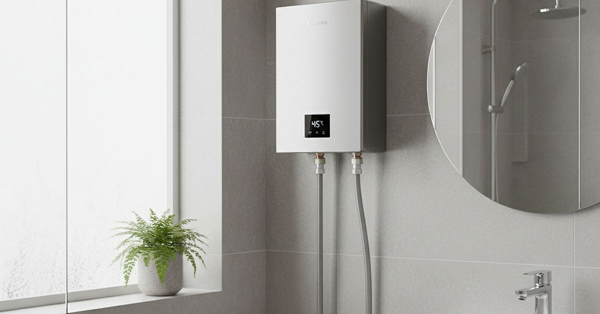
Traditional water heaters continuously heat stored water, wasting energy even when it’s not needed. Tankless water heaters, however, heat water instantly on demand, delivering energy efficiency and convenience in one sleek system.
The benefits are clear:
- Reduced utility bills
- Endless hot water supply
- Longer equipment lifespan
- Lower environmental footprint
- Compact design that saves valuable space
- Minimal risk of leaks or water damage
With their modern, space-saving design and eco-friendly performance, tankless water heaters are a smart upgrade that keeps your home efficient, comfortable, and cost-effective. According to the U.S. Department of Energy, best energy-efficient water heaters, including tankless models, can reduce energy consumption by up to 30%, making them a smart investment for eco-conscious homeowners.
Greywater Recycling Systems for Sustainable Water Use
Greywater systems capture lightly used water from sinks, showers, and laundry appliances and repurpose it for flushing toilets, irrigating landscapes, or cleaning outdoor surfaces. This sustainable solution significantly reduces fresh water consumption and ensures homes operate with greater environmental consciousness.
Benefits of Installing a Greywater System
- Cuts household water consumption by up to 40%
- Reduces strain on municipal water supplies
- Supports a more eco-friendly landscape
- Lowers monthly utility expenses
When designed and installed correctly, greywater systems comply with environmental safety regulations and provide excellent long-term resource savings.
Rainwater Harvesting for Natural Resource Conservation
Rainwater harvesting captures and stores rainwater for household uses such as irrigation, flushing toilets, and even potable water when filtered. This simple yet highly effective eco-friendly plumbing solution offers:
- Free, natural water supply
- Reduced pressure on water utilities
- Sustainable landscaping and gardening opportunities
- Improved stormwater management
Homeowners in drought-prone regions particularly benefit from integrating rainwater collection tanks, filtration units, and gravity-fed irrigation systems.
Get your water heater repaired or replaced the same day
Energy-Efficient Hot Water Recirculation Systems
A common cause of water waste is waiting for hot water to travel from the heater to the faucet. During this wait, cold water is often drained and discarded, leading to unnecessary water and energy consumption. Hot water recirculation systems address this issue by ensuring hot water is instantly available at every fixture, reducing waste and improving overall efficiency.
These systems are especially beneficial for large households or multi-story homes where hot water travel times are longer. By minimizing water waste and lowering energy costs, they offer both environmental and financial advantages, making homes more sustainable and comfortable.
Eco-Friendly Pipe Materials for Long-Lasting Efficiency
The materials used in plumbing systems have a direct impact on energy usage, heat retention, and environmental safety. Modern eco-conscious homes benefit from:
PEX Piping
Flexible, durable, and corrosion-resistant, PEX piping reduces heat loss in water lines and requires less energy during manufacturing, making it an efficient, eco-friendly, and long-lasting option for modern plumbing systems.
Copper Piping
Recyclable and highly durable, copper provides natural antimicrobial benefits for cleaner water distribution, low maintenance, and long-term performance, making it a sustainable and energy-efficient choice for environmentally conscious homes.
Recycled or Sustainable Materials
Environmentally friendly piping safely transports water while reducing carbon footprint during production and disposal, promoting energy efficiency, sustainability, and long-term durability in eco-conscious residential plumbing systems.
Smart Plumbing Technology for Maximum Efficiency
Smart home integration is revolutionizing the plumbing industry. Advanced technologies provide real-time control and monitoring of water and energy usage.
Popular Smart Plumbing Solutions Include:
- Leak detection systems with automated shutoff
- Smart water heaters with temperature optimization
- Water usage monitoring apps for consumption insights
- Automated irrigation controllers for efficient landscaping
These systems help homeowners track consumption, detect problems early, and optimize the overall efficiency of their plumbing networks. Regular plumbing inspection for leak prevention is also essential to conserve water, prevent damage, and save on utility bills.
Insulating Pipes for Better Energy Performance
Proper pipe insulation reduces heat loss from hot water lines, ensuring that water reaches fixtures quickly and efficiently. By minimizing energy loss, insulated pipes help lower utility bills and improve the overall efficiency of a home’s plumbing system. This upgrade also protects pipes from freezing during cold weather, reducing the risk of costly damage and leaks.
In addition to energy savings and protection, pipe insulation complements broader plumbing improvements, such as home repiping, by enhancing system performance and longevity. It is a simple, cost-effective step that contributes significantly to creating a fully energy-efficient and sustainable home.
Eco-Friendly Drain Cleaning and Maintenance Practices
Instead of relying on chemical cleaners that harm the environment and corrode pipes, sustainable drain maintenance practices utilize:
- Enzyme-based cleaners
- Hydro-jetting services
- Professional non-toxic solutions
These methods ensure long-term pipe health while protecting waterways and ecosystems from harmful chemical pollutants.
Solar Water Heating Systems for Maximum Sustainability
Solar water heaters use renewable energy to provide hot water, drastically lowering energy bills and minimizing environmental impact. With roof-mounted solar collectors and highly insulated storage tanks, these systems deliver consistent hot water while reducing dependency on electricity or gas.
Advantages of Solar Water Heating:
- Highly renewable and eco-friendly
- Extremely low operating costs
- Increased home resale value
- Long-term energy independence
For homeowners committed to sustainability, solar heating is one of the most powerful upgrades available.
Professional Eco-Friendly Plumbing Services by 5 Star Best Plumbing
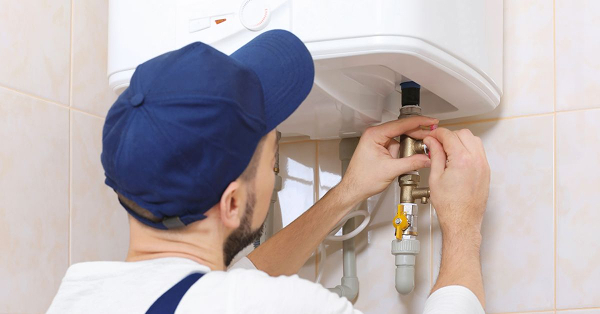
Creating a truly sustainable home often requires more than DIY upgrades—professional planning and precise installation ensure every eco-friendly plumbing system performs efficiently. 5 Star Best Plumbing specializes in energy-saving solutions such as tankless water heaters, trenchless pipe burst installation, and sustainable piping materials. Our licensed plumbers provide customized recommendations tailored to each home’s needs, including 24-hour residential plumbing services for urgent issues.
With a commitment to high-quality workmanship and environmentally responsible practices, we help homeowners lower utility costs, conserve resources, and boost long-term efficiency. Whether you’re upgrading fixtures or installing advanced systems, we deliver reliable, long-lasting, eco-friendly results—feel free to contact us to get started.
Conclusion: Transforming Homes with Eco-Friendly Plumbing Solutions
Integrating eco-friendly plumbing solutions is a powerful way to build a home that is both energy-efficient and environmentally responsible. Modern fixtures, smart technology, and sustainable water systems help reduce waste while improving day-to-day comfort and long-term performance. These upgrades not only lower utility costs but also support a healthier, greener household.
By adopting these systems, homeowners contribute to long-lasting sustainability and improved home value. To take the next step toward an efficient, eco-friendly home, Book now and begin transforming your space with smarter plumbing solutions.
FAQs
What are the most effective eco-friendly plumbing upgrades for reducing water waste?
Low-flow fixtures, high-efficiency toilets, and greywater systems provide the most immediate and noticeable reductions in water use. These upgrades minimize waste without compromising household comfort or performance.
Are tankless water heaters worth the investment?
Yes, tankless water heaters offer long-term energy savings because they heat water only when needed. They also have a longer lifespan than traditional units, reducing replacement and maintenance costs over time.
How does a greywater system help the environment?
Use sink strainers to catch food particles and dispose of grease in a separate container instead of pouring it down the drain. Running hot water with a bit of dish soap after heavy use also helps keep pipes clear.
Can smart plumbing technology really lower utility costs?
Absolutely—smart leak detectors, water monitoring apps, and automated irrigation systems help prevent waste and optimize usage. With real-time data, homeowners can quickly identify problems and adjust consumption for maximum efficiency.
Do eco-friendly plumbing solutions increase home value?
Yes, energy-efficient and water-saving systems are desirable features for modern homebuyers. These upgrades signal lower ongoing utility costs and long-term sustainability, making the property more appealing in the market.