A plumbing inspection for storm damage ensures early detection of leaks, clogs, or foundation issues caused by heavy rain, protecting your home from costly repairs and maintaining long-term safety.
Key Takeaways:
- Detect water damage early
- Prevent costly repairs
- Protect home foundation
- Maintain plumbing efficiency
Heavy rainfall can do more than flood streets and soak yards—it can severely affect your home’s plumbing system. Many homeowners underestimate the hidden dangers that storms bring to underground pipes, drainage systems, and even water quality. Conducting a professional plumbing inspection after heavy rain is not just a precaution; it is essential for safeguarding your property, preventing costly repairs, and ensuring a safe living environment.
Table of Contents
The Hidden Impact of Heavy Rain on Plumbing Systems
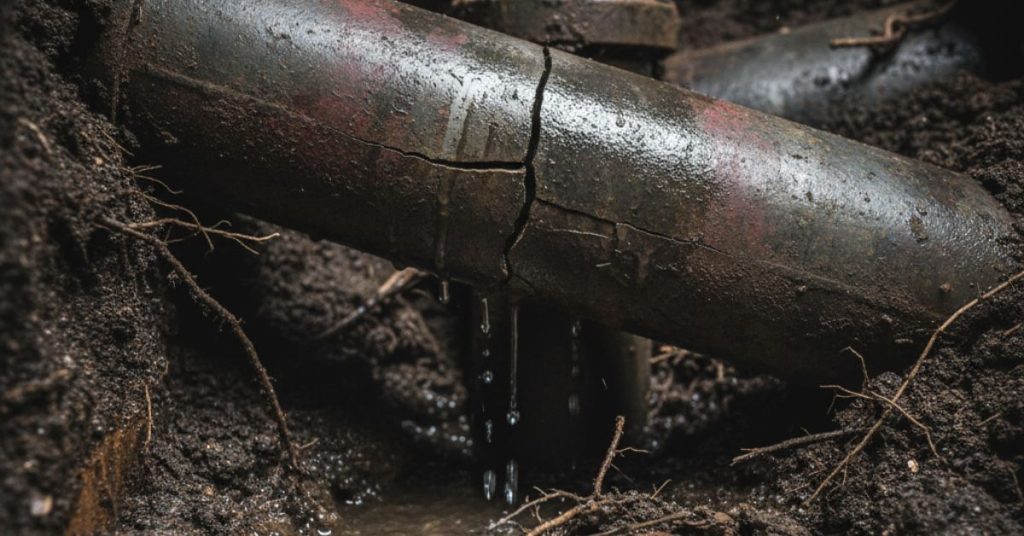
When rain pours down in large amounts, excess water seeps into the ground and can overwhelm your plumbing infrastructure. The risks include:
- Soil Saturation: Waterlogged soil puts pressure on underground pipes, leading to cracks or collapses.
- Backflow Issues: Municipal sewer systems may overflow, causing wastewater to back up into homes.
- Foundation Shifts: Saturated ground can cause your foundation to move, potentially misaligning or breaking pipes.
- Increased Water Table Levels: Excessive rain can push groundwater into basements, crawl spaces, or through sewer lines.
- Clogged or Blocked Drains: Storm debris like leaves and dirt can clog exterior drains, leading to localized flooding and added pipe stress.
Without a thorough plumbing inspection, these issues often go unnoticed until they escalate into expensive emergencies.
Sewer Line Overflows and Backups
One of the most serious consequences of heavy rain is sewer line backups. When public sewer systems are overwhelmed, the water has nowhere to go except back into residential drains.
Signs of Sewer Line Problems After Rain:
- Gurgling noises from toilets and drains
- Foul odors in bathrooms or kitchens
- Slow-draining sinks, showers, or tubs
- Standing water around floor drains
- Wet spots or sinkholes in your yard
- Multiple drains backing up at the same time
- Increased pest activity near drains or toilets
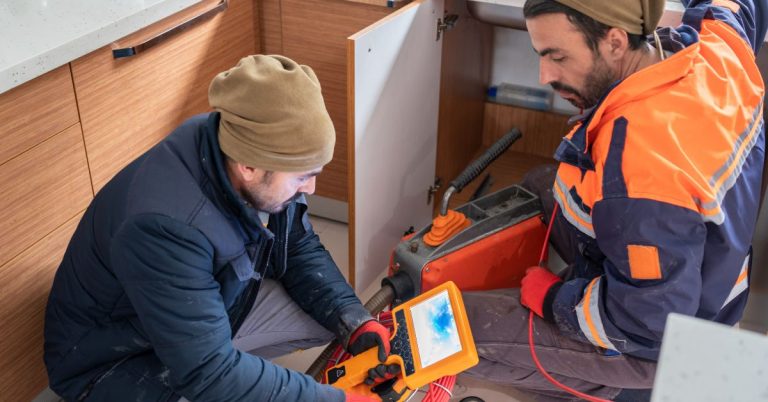
A professional plumber can use camera inspections to identify blockages, cracks, or collapsed lines, ensuring quick action before hazardous sewage invades your home.
Basement and Crawl Space Flooding Risks
After a storm, many homeowners discover water pooling in basements or crawl spaces. This often happens due to overwhelmed sump pumps, broken drain tiles, or leaks in foundation pipes.
Plumbing inspections can identify:
- Malfunctioning sump pumps
- Broken or clogged drain tiles
- Cracks in foundation walls near plumbing lines
- Poorly graded drainage systems
- Damaged or misaligned downspout connections
- Hidden pipe leaks behind walls or under floors
- Blocked exterior drains or window wells
- Saturated insulation or drywall near plumbing fixtures
Addressing these problems early protects your home from water damage, mold growth, and long-term structural issues.
Pipe Damage from Shifting Soil
Excessive rainfall increases soil movement, which can put enormous stress on underground pipes. This shifting often causes:
- Leaks in main water lines leading to increased bills and property damage
- Misaligned sewer pipes that cause recurring blockages
- Burst pipes from pressure changes in the soil
- Cracked or collapsed pipes under driveways or walkways
- Separated pipe joints that lead to water loss and contamination
During a post-rain plumbing inspection, plumbers use advanced tools to locate underground leaks and assess pipe stability.
Get your water heater repaired or replaced the same day
Contaminated Water Supply Concerns
Floodwaters often carry bacteria, chemicals, and debris that can infiltrate damaged pipes or improperly sealed well systems. Consuming or bathing in contaminated water can pose serious health risks. The EPA warns that compromised drinking water sources after flooding events can be dangerous and require immediate testing and inspection.
Inspection services typically include:
- Checking for cracks or breaks in water supply lines
- Testing for contaminants in your water supply
- Inspecting backflow prevention devices
- Examining well caps and seals for flood exposure
- Assessing water pressure changes that may indicate leaks or contamination
Ensuring safe, clean water should be a top priority after any severe storm.
The Role of Sump Pumps and Drainage Systems
Sump pumps play a critical role in protecting basements and crawl spaces from stormwater. However, heavy rain often exposes their weaknesses. The Ready.gov flood preparedness guide recommends homeowners inspect these systems regularly as part of their disaster planning.
Key issues plumbers check for include:
- Sump pump failure due to power outages
- Clogged discharge lines that block water removal
- Insufficient pump capacity for high water volume
- Battery backup systems not working properly
Regular inspections and proper sump pump maintenance guarantee your system is prepared for the next heavy downpour.
Foundation Damage and Plumbing Risks
Waterlogged soil can shift your home’s foundation, and when that happens, plumbing systems suffer. Misaligned foundations often lead to:
- Broken or disconnected pipes
- Leaking slab pipes under the home
- Visible cracks in walls or flooring due to pipe movement
- Shifting water lines causing inconsistent water pressure
- Sewer line disconnections beneath the foundation
Professional inspections can identify foundation-related plumbing problems early, preventing extensive structural damage.
Storm Drain and Gutter System Inspections
Rainwater is supposed to flow away from your home through gutters and storm drains. If these systems fail, water backs up and seeps into your plumbing.
Plumbers assess:
- Blocked or collapsed storm drains
- Improper gutter installation causing water pooling near foundations
- Grading issues that direct water toward, not away, from the home
- Clogged downspouts restricting water flow
- Overflowing gutters that cause water to leak into walls or basements
Correcting these drainage issues reduces pressure on your plumbing system during storms, and in some cases, professionals may recommend rainwater drainage system installation to ensure long-term protection.
Preventing Mold and Mildew from Plumbing Leaks
Even small plumbing leaks after heavy rain can lead to dangerous mold and mildew growth. This not only damages your home but also creates serious health concerns for your family.
A plumbing inspection ensures that:
- Hidden leaks behind walls are detected with moisture meters
- Damp crawl spaces are inspected for slow leaks
- Plumbing systems are properly sealed against infiltration
- Ventilation systems are checked to reduce humidity buildup
- Water damage signs in insulation and drywall are thoroughly examined
Catching leaks early prevents long-term health hazards and costly remediation.
When to Schedule a Plumbing Inspection After Rain
Not every rainfall requires an inspection, but certain conditions make it essential—especially after flood watches or warnings issued in your area. The National Weather Service’s flood safety guide can help you stay alert to weather events that increase your plumbing risk.
Call a plumber immediately if you notice:
- Prolonged or record-breaking rainfall in your area
- Visible flooding around your home’s foundation
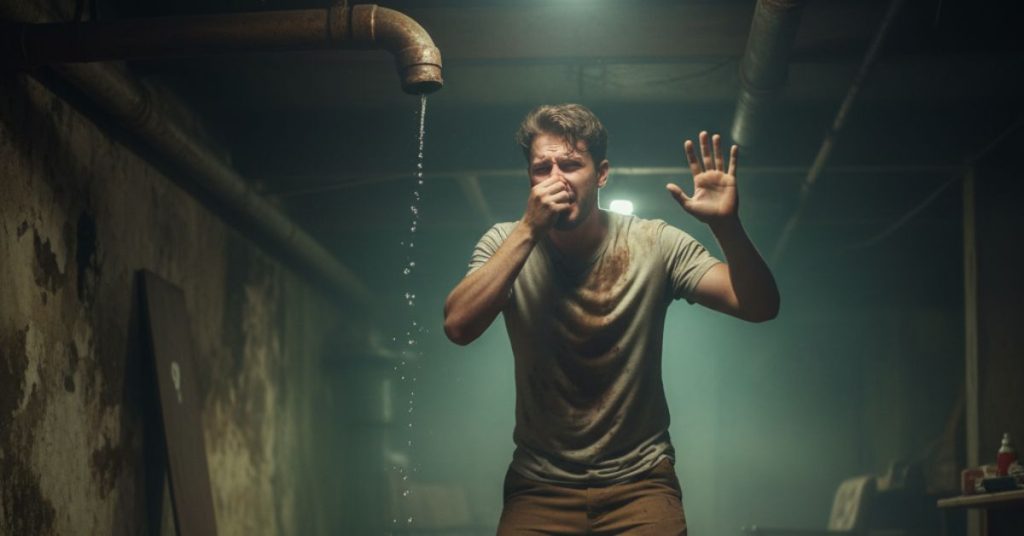
- Sudden sewage odors indoors
- Consistently slow drains or frequent backups
- Basement or crawl space dampness
- Cracks appearing in walls or floors after heavy rain
- Water stains or mold growth inside the home
- Unusual drops in water pressure
- Sump pump running constantly or failing to activate
Calling a plumber immediately after these warning signs can save you thousands in repairs. For reliable protection, homeowners should always trust licensed plumbers for heavy rain plumbing issues, ensuring problems are detected and resolved before they escalate.
Benefits of a Professional Plumbing Inspection
A professional plumbing inspection after heavy rain provides peace of mind by ensuring your system is safe and efficient. Benefits include:
- Early Detection: Identify small problems before they become major emergencies.
- Cost Savings: Avoid expensive repairs from undetected damage.
- Health Protection: Ensure your drinking water is clean and uncontaminated.
- Property Value: Maintain the structural integrity of your home.
Preparedness: Ensure sump pumps and drainage systems are storm-ready.
Who to Call for Reliable Plumbing Services After Heavy Rain
When storm damage strikes, choosing the right professionals makes all the difference. For urgent plumbing repair after storm situations, you need a team that responds quickly and thoroughly. That’s where The 5 Star Plumbing comes in, providing dependable solutions to protect your home from hidden damage.
Beyond inspections, they also specialize in long-term fixes like home repiping services to restore your system’s reliability. With our expertise, you can safeguard your plumbing, foundation, and family’s health against future storms.
Final Thoughts
Heavy rain is more than just a temporary inconvenience—it can have long-lasting effects on your plumbing system, foundation, and overall home safety. What seems like minor water pooling or a slow drain can quickly escalate into major damage if left unchecked. A professional post-rain plumbing inspection helps catch issues early, protect your property, and ensure that your water supply remains safe and reliable.
Taking proactive steps now means saving time, money, and stress in the future. Don’t wait for small leaks to become costly emergencies—contact us today to schedule an inspection and keep your home storm-ready year-round.
FAQs
Why is a plumbing inspection necessary after heavy rain?
Heavy rain can cause underground pipes to crack, sewer backups, and water contamination, which often go unnoticed until they cause serious damage. A plumbing inspection detects these issues early, preventing costly repairs and health risks.
What are common signs of sewer line problems after a storm?
Signs include gurgling sounds from drains, foul odors, slow drainage, and standing water near floor drains. These symptoms indicate potential blockages or backups that require immediate professional attention.
How can heavy rain affect my basement plumbing?
Excess water can overwhelm sump pumps and cause leaks or flooding in basements and crawl spaces. Inspections help identify faulty pumps, broken drain tiles, and foundation cracks that lead to water intrusion.
Can heavy rain contaminate my water supply?
Yes, floodwaters can introduce bacteria and chemicals into damaged pipes or poorly sealed well systems. A plumbing inspection includes testing water quality to ensure it is safe for consumption.
When should I call a plumber for an inspection after rain?
Schedule an inspection if you experience flooding near your foundation, sewage odors indoors, slow drains, or basement dampness after heavy rainfall. Prompt action helps avoid extensive damage and expensive repairs.