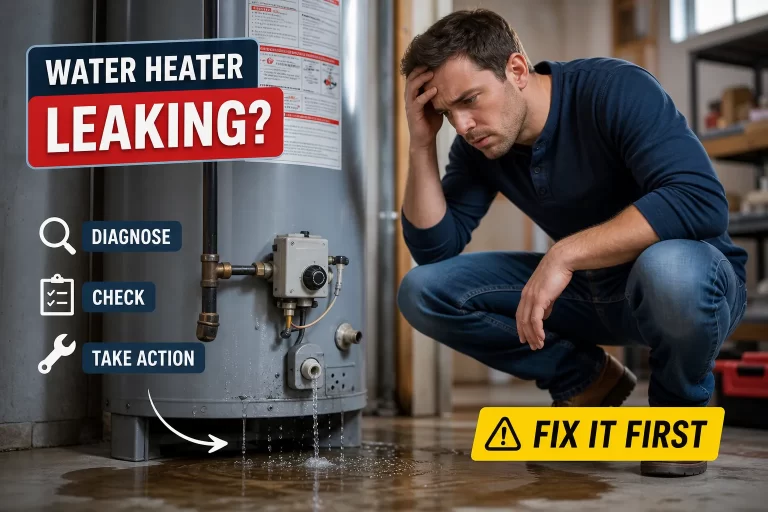
As the clocks move forward, your plumbing system works harder behind the scenes. A proactive daylight saving time water heater inspection helps prevent breakdowns, reduce energy waste, and ensure reliable hot water before spring demand increases.
Early March is the perfect time to check for sediment buildup, test safety valves, inspect for leaks, and recalibrate efficiency settings. Addressing small issues now prevents costly repairs later.
Key Takeaways
- A daylight saving time water heater inspection prevents unexpected breakdowns.
- Early March is the ideal spring plumbing maintenance checkpoint.
- Sediment removal helps improve water heater efficiency in spring.
- Professional calibration lowers energy bills.
- Preventive care extends system lifespan.
Table of Contents
Why Early March Is Critical for Water Heater Performance
Seasonal transitions impact your plumbing more than you think.
When winter ends:
- Ground temperatures shift
- Water usage increases
- Sediment buildup affects heating performance
- Pressure changes expose worn components
If ignored, these changes can reduce efficiency and shorten your system’s lifespan.
A professional daylight saving time water heater inspection acts as a seasonal reset — restoring performance before peak usage begins and enhancing overall home energy efficiency.
Signs Your Water Heater Needs Immediate Attention
Watch for these warning signs:
- Inconsistent water temperature
- Rumbling or popping sounds
- Discolored or metallic-smelling water
- Water pooling near the tank
- Rising energy bills without increased use
According to the U.S. Environmental Protection Agency (EPA), annual visual inspections and pressure relief valve checks help prevent hazards and improve efficiency.
If you notice any of these issues, schedule water heater service immediately.
What Happens During a Professional Spring Inspection?
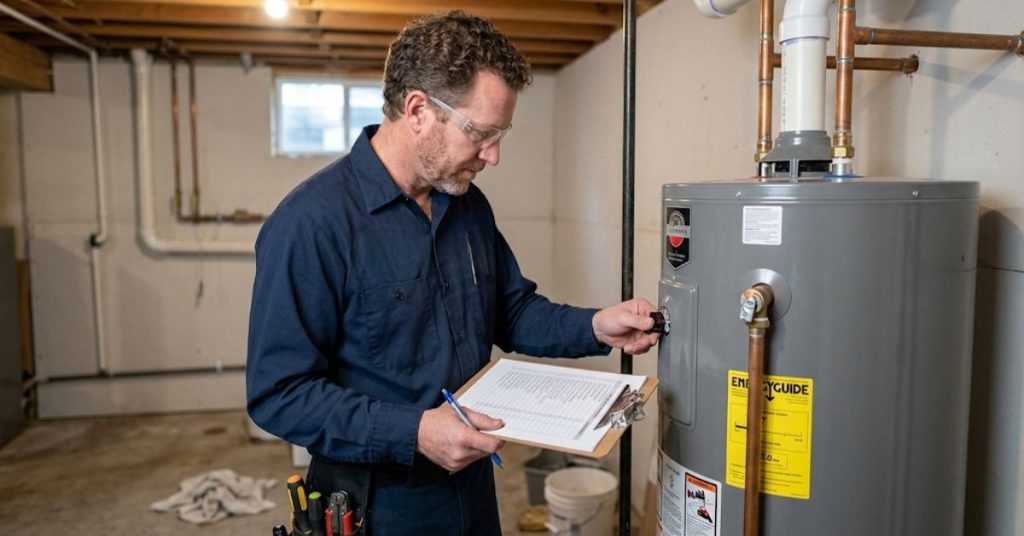
During our structured inspection, licensed plumbers perform:
✔ Full tank flushing to remove sediment
✔ Anode rod inspection to prevent corrosion
✔ Thermostat recalibration
✔ Temperature & pressure relief valve testing
✔ Gas or electrical connection checks
✔ Insulation evaluation
These steps restore heating efficiency and extend equipment lifespan while ensuring your plumbing system checklist is fully completed.
Energy Savings Start With Preventive Maintenance
Water heaters account for a major portion of home energy use. Sediment buildup forces longer heating cycles, which increases utility bills.
The U.S. Department of Energy (DOE) states that maintaining water heaters according to energy standards can significantly reduce long-term operating costs.
Professional calibration helps:
- Lower monthly energy bills
- Improve recovery time
- Maintain consistent water temperature
- Reduce internal wear
Small adjustments now can prevent thousands in future repairs.
Tank vs. Tankless: Spring Maintenance Differences
For Traditional Tank Systems:
- Annual sediment flushing
- Anode rod replacement monitoring
- Thermostat adjustment
For Tankless Systems:
- Descaling mineral deposits
- Flow sensor cleaning
- Ventilation safety checks
Both systems require seasonal attention — especially before spring usage increases.
Financial Benefits of Inspecting Before March 8
Replacing a failed water heater can cost thousands when you include:
- Emergency service fees
- Water damage repair
- Mold remediation
- Structural repairs
Preventive servicing eliminates surprise breakdowns and protects your investment.
Scheduling inspection before March 8 aligns perfectly with seasonal maintenance planning and helps you evaluate When It Is Time to Replace or Upgrade Your Water Heater.
Why Professional Inspection Matters
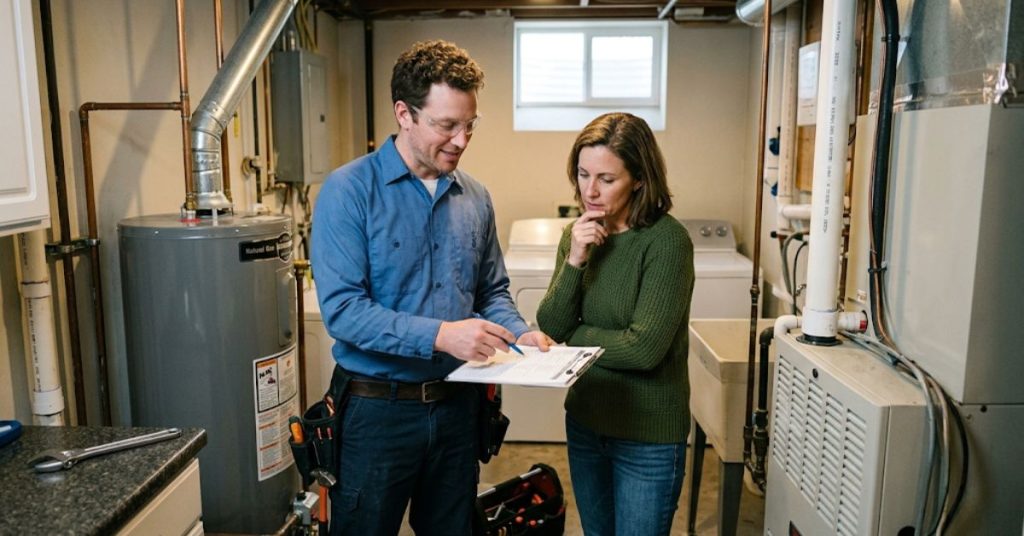
While homeowners can visually check for leaks, internal components require trained assessment. Improper flushing or incorrect thermostat settings can damage the unit.
At The 5 Star Plumbing, our licensed professionals use:
- ✔ Code-compliant diagnostic tools
- ✔ Structured safety checklists
- ✔ Pressure calibration equipment
- ✔ Performance testing methods
We don’t just inspect — we optimize.
Protect your hot water and peace of mind — contact us today!
Get your water heater repaired or replaced the same day
Secure Your Hot Water Before Spring Demand Surges
As daylight hours extend and daily routines adjust, your plumbing system should operate seamlessly. Ignoring early warning signs risks costly failures during high-demand months.
Our strategic, data-driven approach ensures your water heater operates at peak efficiency, remains structurally sound, and supports the evolving needs of your household.
Early March is not simply a calendar change—it is a maintenance milestone. A professionally executed water heater inspection protects your investment, reduces energy waste, and ensures uninterrupted performance long after the clocks move forward.
Book now to lock in reliable hot water and stay ahead of spring demand.
FAQs
Why is early March the best time for inspection?
Seasonal temperature changes increase demand and system strain. Inspecting before spring usage peaks prevents breakdowns.
How often should I flush my water heater?
At least once per year. Spring or fall transitions are ideal times.
Can I perform maintenance myself?
Basic visual checks are fine, but internal flushing and valve testing should be handled by licensed professionals.
What are signs of failure?
Inconsistent temperatures, strange noises, discolored water, or leaks near the tank.
Does inspection improve energy efficiency?
Yes. Removing sediment and recalibrating thermostats reduces energy waste and lowers monthly bills.