A sewer camera inspection is the most useful way to find out what is happening inside your sewer line. It helps whether you are dealing with recurring backups, buying a home, or have never had the line checked. This guide covers what a sewer inspection involves, the warning signs that mean you need one, why older Los Angeles homes are at higher risk, and whether renting a camera yourself makes sense.
What Is a Sewer Camera Inspection?
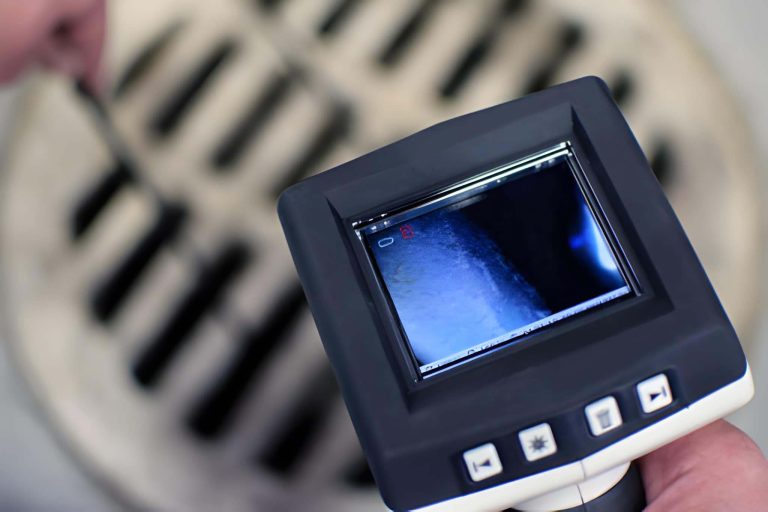
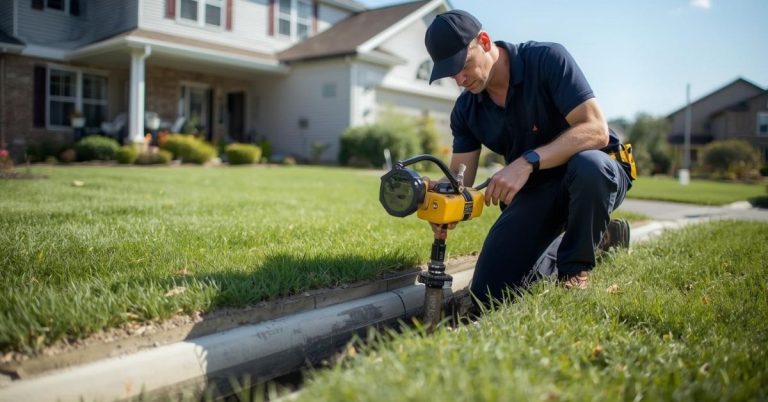
Your main sewer line (also called the house lateral) runs underground from your home to the public sewer main in the street. You cannot see inside it, so problems usually stay hidden until they cause a backup. During a sewer camera inspection, a plumber feeds a waterproof camera on a flexible cable into the line, usually through a cleanout, and watches a live feed on a monitor at ground level. The footage shows the inside of the pipe in real time, so problems can be located without digging.
Why Sewer Inspection Matters
Most sewer problems, such as root intrusion, cracks, misalignment and buildup, develop slowly and invisibly until they cause a backup. A sewer inspection catches these issues while they are still smaller and less disruptive to fix, before a crack turns into a collapsed line that needs excavation.
It also matters because of who owns the pipe. Los Angeles County Public Works says sewer laterals are owned by the private property they serve, and the property owner is responsible for the entire length of the lateral, including the portion under the street. Cities across Los Angeles County generally follow the same rule. If that pipe fails, the repair is usually yours to pay for.
Signs You Need a Sewer Camera Inspection
- Slow drains in several fixtures. One slow sink is usually a local clog. Several slow drains at once point to the main line.
- Repeated backups or clogs. If drain cleaners or snaking only help for a while, roots or a damaged pipe may be the real cause.
- Sewage odors inside the house or in the yard.
- Gurgling toilets or drains when other fixtures run.
- Soggy patches or unusually green grass along the path of the sewer line.
- Mold or water damage near the foundation or lower walls with no obvious source.
- An older home. Homes with original clay, cast iron or Orangeburg pipe are more likely to have deteriorated lines.
- You are buying a home. See the next section.
Why Older Los Angeles Homes Are at Higher Risk
Many Los Angeles homes were built decades ago with clay, cast iron or Orangeburg sewer pipe. These materials deteriorate over time. Clay joints let roots in, cast iron corrodes from the inside, and Orangeburg (a fiber pipe used in the mid-1900s) can deform and collapse. Mature trees, soil settling and ground movement from earthquakes add to the problem by cracking pipes, separating joints and creating low spots (bellies) where waste collects. A camera inspection shows which of these is happening in your line.
Sewer Inspections When Buying a Home
A sewer scope inspection is an add-on to a standard home inspection that many buyers skip and later regret. It runs a camera through the home’s full sewer lateral to check for root intrusion, cracks, corrosion, misalignment and blockages. It matters most for older homes, homes with mature trees near the sewer line, or any home where the seller has no inspection records. It is usually scheduled alongside your general home inspection, before closing, so you can negotiate repairs or price if problems turn up. For typical prices, see what a sewer camera inspection costs in Los Angeles.
Should You Rent a Sewer Inspection Camera Yourself?
DIY camera rentals exist and can be useful for a quick, low-stakes look, such as checking whether a clog you already know about is a simple blockage or something more serious. But there are real limits:
- Pros of renting: lower cost for a one-time check, and useful if you already know roughly where the problem is.
- Cons of renting: consumer-grade cameras have shorter reach and lower image quality than professional equipment. Most people are not trained to interpret the footage: a normal pipe joint can look alarming, and real damage can be missed. Rental units also usually cannot produce the documented report a real estate transaction or insurance claim needs.
For anything beyond a quick look, such as buying a home, diagnosing a recurring problem or documenting condition for insurance, a professional inspection with proper equipment and an experienced technician is worth it.
What a Professional Sewer Inspection Involves
- Access point setup, usually through an existing cleanout, so there is no need to dig.
- Camera run through the full length of the line, recording continuously.
- Real-time assessment. The technician flags issues as the camera passes them, such as roots, cracks, bellies, corrosion or blockages, and can locate them from the surface.
- Documentation. You get footage and findings for your records, a real estate transaction, or planning repair work.
Common Issues a Sewer Inspection Detects
- Root intrusion at joints or cracks
- Pipe corrosion or deterioration, especially in older clay, cast iron or Orangeburg pipe
- Bellies or sags where the pipe has settled, causing standing water and debris buildup
- Misaligned or separated joints from ground movement
- Grease, scale or debris buildup restricting flow
What Happens After the Inspection
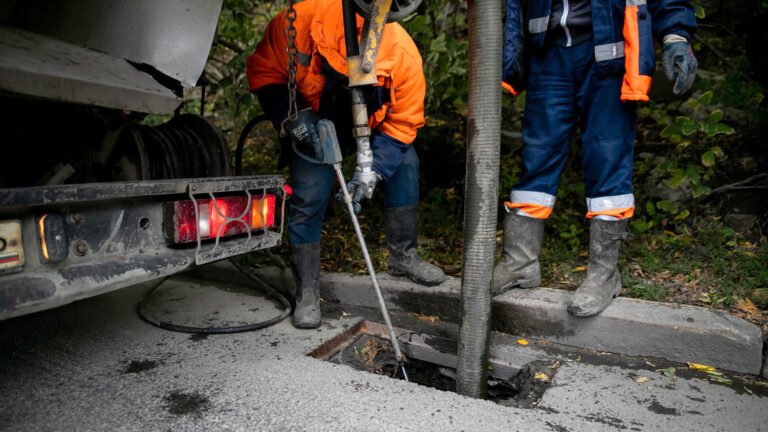
The footage tells you what kind of fix the line needs. A blockage from grease or roots can often be cleared with hydro jetting, followed by a second camera pass to confirm the pipe is clear. Damage confined to one section may only need a spot sewer repair, while widespread deterioration may point to sewer line replacement. Seeing the pipe first means you only pay for the work the line actually needs.
Frequently Asked Questions
How long does a sewer inspection take?
A standard residential inspection typically takes 30 to 60 minutes, depending on the length of the line and how many access points are needed.
How often should I get my sewer line inspected?
There is no universal schedule. Homes with mature trees nearby, older piping or a history of backups benefit from a check every few years, or whenever you notice warning signs like slow drains in several fixtures.
Who is responsible for the sewer line in Los Angeles?
In most of Los Angeles County, the property owner is responsible for the private sewer lateral that runs from the home to the public sewer main, including the part under the street. Check with your city if you are unsure.
Does a sewer camera inspection require digging?
No. The camera goes in through an existing cleanout or another access point. Digging only comes into play if the inspection finds damage that needs a repair.
The 5 Star Plumbing’s Sewer Inspection Service
The 5 Star Plumbing is a licensed (CSLB #1041772), family-owned plumbing company that has served Los Angeles since 2006. Our sewer camera inspection service uses professional-grade equipment and gives you documented findings you can actually use, whether you are planning a repair, buying a home, or want peace of mind about a line you have never had checked. We are available 24/7 at (888) 909-0120, and financing is available for repairs.