Water is spraying from a wall and the plumber is not there yet. Knowing what to do when a pipe bursts in the first few minutes can decide whether you end up with a wet floor or a full rebuild. This guide to what to do when a pipe bursts gives you the exact order of steps, plus temporary patches, common Southern California causes, repair costs and insurance basics.

What This Guide Covers
- What to do when a pipe bursts: the first minutes
- Document the damage for insurance
- Dry out the house and prevent mold
- Temporary fixes: what to do when a pipe bursts and help is on the way
- Why pipes burst in Southern California homes
- When a burst pipe is an emergency
- What burst pipe repair costs
- Homeowners insurance basics
- The bottom line
- Frequently asked questions
What to do when a pipe bursts: the first minutes
Here is what to do when a pipe bursts, in order. The goal is to stop new water, keep everyone safe and limit how far the water spreads.
1. Shut off the main water supply
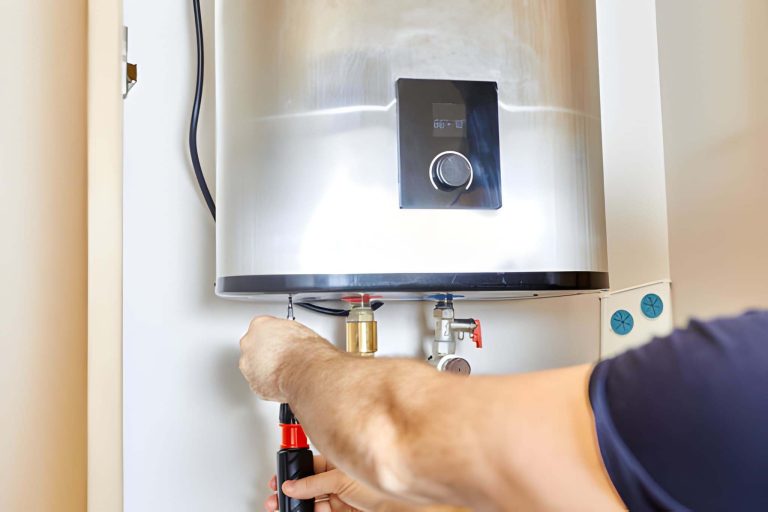
Closing the main valve is the most important step. Angi’s guide to burst pipes notes that the valve is usually in a basement, crawl space or near the water heater, and if it is not indoors you should check outside near the water meter. If you cannot reach or turn the main, close the nearest fixture or appliance valve to slow the flow, then call a plumber. If you have never located your valve, our guide to finding and closing your main shutoff valve explains the main, street-side and fixture valves.
2. Make the area electrically safe
The Safe Electricity program advises never stepping into a flooded room if water may be touching outlets, appliances or cords, and never trying to turn off power at the breaker box if you must stand in water to do it. In that case, call your electric utility to cut power at the meter. If you can reach the panel from a dry spot, switch off the circuits that serve the wet area. Any appliance that got wet should be checked by a professional before you use it again.
3. Open faucets to drain the lines
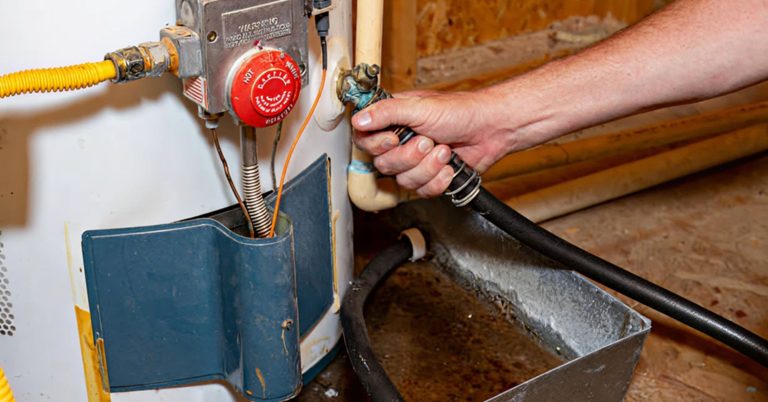
Draining the lines is easy to forget when you are working out what to do when a pipe bursts. With the main closed, there is still water and pressure in the pipes. Angi recommends relieving that pressure by opening faucets, flushing toilets several times and turning off the water heater before running hot taps. Leave the faucets open.
4. Find and contain the leak
Look for bulging ceilings and wet drywall. Put buckets under drips, wrap rags around the break and move valuables out of the wet area. Keep people out from under a sagging ceiling.
5. Call a licensed plumber
The last step in what to do when a pipe bursts is calling a pro once the water is off. The 5 Star Plumbing provides 24/7 emergency plumbing service across Los Angeles, Orange County and the surrounding communities at (888) 909-0120.
Document the damage for insurance
A step people skip when deciding what to do when a pipe bursts is recording the damage before cleanup. The California Department of Insurance’s Residential Property Claims Guide tells homeowners to report water damage to their agent or insurer immediately, to photograph the damage if possible and to keep receipts.
- Photograph the break itself and every affected room, ceiling and floor. If the pipe is near wiring or appliances, Angi suggests cutting power and water first and letting the plumber take the close-up photos.
- Keep receipts for fans, tarps and other supplies. The CDI guide notes that reimbursement for temporary repairs depends on saving receipts for the materials you buy.
- Do not throw out damaged items until the adjuster tells you to. The CDI says this directly.
- Hold off on major permanent repairs until the adjuster has seen the home, but do take reasonable steps to stop more damage. The CDI warns that a policy may not cover ensuing damage if you did not take reasonable steps to protect the property.
Dry out the house and prevent mold
Drying the house fast is the part of what to do when a pipe bursts that protects you from mold. According to the U.S. Environmental Protection Agency, water-damaged areas and items should be dried within 24–48 hours to prevent mold growth. The California Department of Insurance gives the same advice: stop the source and dry wet areas quickly, because delayed cleanup can lead to mold.
- Remove standing water with a wet/dry vacuum, mops and towels.
- Run fans and dehumidifiers, and open windows when the weather allows. Angi suggests aiming fans at any drywall that has been opened.
- Watch for musty odors or spots on walls in the following weeks. The EPA notes that a homeowner can often handle mold cleanup when the moldy area is less than about 10 square feet. Larger areas call for a professional.
Water inside walls is hard to see, and a plumber may need to open the wall so it can dry.
Temporary fixes and their limits
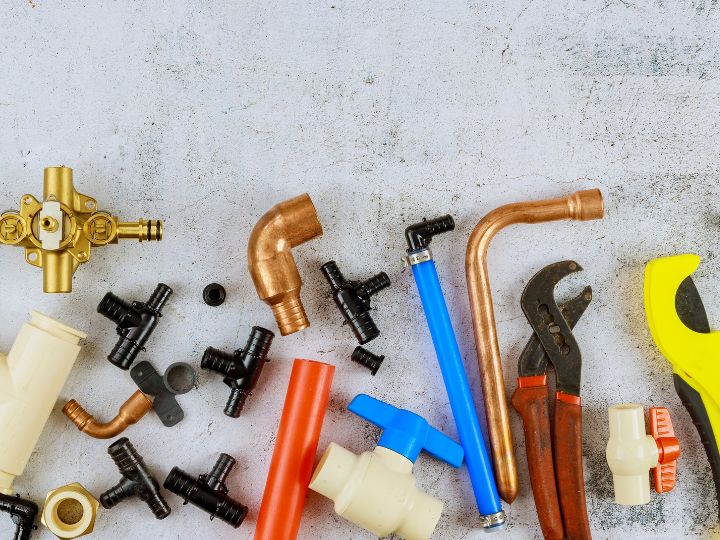
Most advice on what to do when a pipe bursts mentions tape or putty. A patch can hold a small leak until the plumber arrives, but it is not a real repair and should not be trusted on a split pipe. Angi’s guide to temporary pipe fixes describes the options below.
| Temporary fix | How it works | Limits |
|---|---|---|
| Pipe repair clamp | A rubber pad inside the clamp seals against the pipe as you tighten the screws | Meant for small leaks; a permanent repair is still recommended |
| Epoxy putty | Mixed by hand and pressed onto a clean, dry pipe | Copper and galvanized steel only, not PVC or PEX; allow about an hour to cure |
| Pipe tape | Wrapped tightly around a dry pipe | Only for minor damage such as pinhole leaks; not suitable for serious leaks or bursts |
| Rubber coupling | Slides over the leak and is secured with stainless steel clamps | For small gaps; the rubber degrades over time |
If water is spraying, the pipe is split or the leak is inside a wall, keep the main closed and wait for a plumber.
Why pipes burst in Southern California homes
Knowing what to do when a pipe bursts helps, but knowing why it happens helps prevent the next one. The sourced causes below matter more here than freezing.
High water pressure
LADWP explains that new residential plumbing in the City of Los Angeles needs a pressure regulator whenever pressure from the city main can exceed 80 psi, and that regulators are normally set between 50 and 70 psi. LADWP also notes that older homes may not have regulators, and that owners install and maintain them. In Orange County, the City of Tustin warns that sustained pressure above 80 psi can damage on-site plumbing and fixtures.
Corrosion and aging pipe
Angi lists corrosion from age or contact with other metals among the causes of burst pipes.
Other common causes
- Pressure building behind a severe clog (Angi)
- Tree roots and soil pressure on underground lines (Angi)
- Blunt force damage to a pipe (Angi)
If the break is under a concrete slab, the repair is a different job. See our breakdown of slab leak repair pricing in Los Angeles.
When a burst pipe is an emergency
Part of what to do when a pipe bursts is judging urgency. Call right away when any of these apply:
- You cannot find or close the main valve, or water keeps flowing after you close it.
- Water is near outlets, the electrical panel or appliances.
- A ceiling is sagging or water is coming through light fixtures.
- The leak is inside a wall, under the floor or under the slab.
- Sewage or drain water is involved.
If a small drip stops when you close the fixture valve, it can usually wait for a scheduled visit. For a fuller checklist, read our guide on what counts as a plumbing emergency.
What burst pipe repair costs
After learning what to do when a pipe bursts, most people ask about cost. According to Angi, burst pipe repair averages about $500, with a range of roughly $150 for replacing a small section to more than $5,000 when underground pipe or water damage is involved. Location changes the price.
| Repair (Angi) | Typical cost |
|---|---|
| Pipe repair per linear foot (labor and materials) | $150–$250 |
| Pipe inside a wall | $150–$500 |
| Bathroom pipe | $150–$800 |
| Main line | $150–$2,000 |
| Water damage repair | $4–$7 per sq. ft. |
| Mold remediation | $10–$25 per sq. ft. |
The 5 Star Plumbing’s typical price for water leak repair is $500–$850; the exact price is confirmed after the technician sees the job. The 5 Star Plumbing’s typical price for opening a wall is $500+; the exact price is confirmed after the technician sees the job. Financing options are available.
Homeowners insurance basics
The Insurance Information Institute (Triple-I) states that standard homeowners and renters insurance provides coverage for burst pipes, and that the common HO-3 policy covers accidental discharge of water from a plumbing system. Here is what to do when a pipe bursts from an insurance standpoint:
- Flood is separate. The California Department of Insurance notes that homeowners policies do not cover flood damage but do cover other kinds of water damage.
- Mold depends on the cause. The CDI says mold damage caused by a covered peril may be covered, and your policy language decides the details.
- Maintenance matters. Angi notes that some policies exclude damage caused by lack of maintenance, so fix slow leaks and pressure problems early.
- Read your own policy. Coverage for the pipe itself and for gradual leaks varies by insurer.
The bottom line
If you remember one thing about what to do when a pipe bursts, make it this order: water off, power safe, lines drained, photos taken, house drying within 24–48 hours. Patches buy time on small leaks only, and anyone unsure what to do when a pipe bursts should call a licensed plumber. The 5 Star Plumbing is a family owned and operated plumber serving Los Angeles, Orange County and the surrounding communities since 2006 (CA license #1041772), available 24/7. Call (888) 909-0120, visit our Los Angeles plumbing page or send us a message.
Frequently asked questions: what to do when a pipe bursts
What to do when a pipe bursts, in short?
Close the main water valve, cut power to wet areas if you can do it from a dry spot, open faucets to drain the lines, contain the water, photograph the damage and call a licensed plumber.
What to do when a pipe bursts and I can’t find the shutoff valve?
Close the nearest fixture or appliance valve to slow the flow, check outside near the water meter, and call a plumber right away. Angi notes that a buried or inaccessible main is a job for a plumber.
Should I turn off the electricity?
Turn off the circuits for the wet area only if you can reach the panel without standing in water. Otherwise, Safe Electricity advises calling your utility to cut power at the meter.
How fast does mold grow after a burst pipe?
The EPA recommends drying water-damaged areas and items within 24–48 hours to prevent mold growth, so start drying as soon as the water is off.
Can I fix a burst pipe with tape or epoxy?
Not reliably. Angi says pipe tape is only for minor damage such as pinhole leaks, and epoxy putty works only on copper and galvanized steel. A split or spraying pipe needs a plumber.
Does homeowners insurance cover a burst pipe?
Usually, for sudden accidental damage. Triple-I says standard homeowners policies cover burst pipes, but flood is excluded and terms vary, so check your policy and report the claim promptly.
What to do when a pipe bursts under a sink?
Close the shutoff valves under the sink, put a bucket below the leak and dry the cabinet. If water keeps flowing, close the main and call a plumber.
What to do when a pipe bursts inside a wall?
Shut off the main, drain the lines and keep the area dry. Do not cut into the wall yourself; a plumber will open it to make the repair.
Sources: EPA — A Brief Guide to Mold, Moisture and Your Home · California Department of Insurance — Residential Property Claims Guide · Triple-I — Water Damage: What’s Covered, What’s Not · Triple-I — Am I Covered? · Angi — Burst Pipe Repair Cost · Angi — Help! My Pipe Burst · Angi — Temporary Fixes for Leaking Pipes · LADWP — Water Pressure · City of Tustin — High Water Pressure · Safe Electricity — Flooding: Keep Your Family Safe