If you’re planning a repipe or replacing a leaking section of water line, the PEX vs copper decision comes up first. Here’s the short answer: PEX costs far less per foot, goes in faster and handles freezing better, while copper lasts longer in most estimates, tolerates heat and sunlight, and can be recycled. For most whole-house repipes behind finished walls, PEX is the budget-friendly choice; copper still makes sense where pipes are exposed, run near high heat or need to last as long as possible.
This guide compares PEX vs copper on cost, lifespan, installation, water quality and California code, using figures from Angi, HomeAdvisor and This Old House. It’s written for homeowners in Los Angeles, Orange County and the surrounding communities who want to know which pipe to choose before they call a plumber.

What This Guide Covers
- PEX vs copper at a glance
- What PEX and copper pipes are
- PEX vs copper cost for a repipe
- PEX vs copper lifespan and durability
- Pros and cons of each material
- Is PEX allowed in California?
- Which is better for your home?
- Signs it’s time to repipe
- Frequently asked questions
PEX vs copper at a glance
The table below sums up the main differences. Numbers come from Angi’s PEX and copper comparison unless noted.
| Factor | PEX | Copper |
|---|---|---|
| Cost per linear foot | About $0.50–$2 | About $2–$8 |
| Estimated lifespan | 25–50 years (Angi) | 50–70 years (Angi) |
| Installation | Flexible; fewer fittings; no soldering | Rigid lengths cut and soldered at each joint |
| Freeze resistance | Better; expands before it bursts | More likely to split when frozen |
| Heat and sunlight | Damaged by UV and extreme heat; indoor use | Not affected by UV; handles high heat |
| Corrosion | Does not corrode | Can corrode in acidic water |
| Rodents and chemicals | Can be chewed or damaged by some chemicals | Resists both |
| Recyclable | No | Yes |
No single row settles PEX vs copper. Cost and ease of installation favor PEX; longevity and toughness favor copper. The rest of this guide explains how each factor plays out in a real home.
What PEX and copper pipes are
PEX (cross-linked polyethylene)
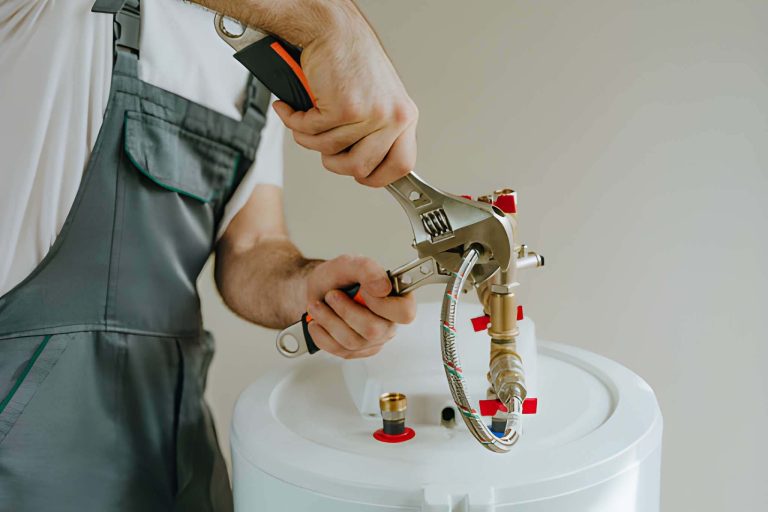
PEX is flexible plastic tubing used for hot and cold water supply lines. According to HomeAdvisor, it usually comes in 1/2-inch and 3/4-inch diameters, in lengths from 10 to 100 feet. Red tubing is typically used for hot water, blue for cold, and white or gray for either. Because it bends around corners, PEX can be pulled through walls and ceilings in long runs, often from a central manifold. Connections are made with crimp or expansion fittings rather than solder.
Copper
Copper has been the standard for water supply lines for decades. This Old House notes that Type L (blue markings) has thicker walls, while Type M (red markings) is thinner and is not allowed for drinking water in some jurisdictions. Copper comes in rigid 10- or 20-foot sticks and flexible coils, and joints are soldered. That takes more skill and time, which is a big part of the price gap in any PEX vs copper comparison.
PEX vs copper cost for a repipe
Material price is where the PEX vs copper gap is widest. Angi’s repiping guide lists PEX at $0.40–$2 per linear foot and copper at $2–$8 per linear foot. For a simple illustration, 200 feet of pipe would run roughly $80–$400 in PEX versus $400–$1,600 in copper, before fittings and labor.
Labor matters even more. Angi estimates that about 70% of a repiping bill is labor, and a whole-house repipe averages around $7,500, with most projects between $1,500 and $15,000. Since PEX needs fewer fittings and no soldering, crews can usually finish faster, which lowers the labor share. Angi also says copper generally costs 20% to 40% more overall, while HomeAdvisor puts copper at roughly double the cost of a PEX job, so expect a real gap but not the full per-foot difference.
| Cost item | Typical range (Angi) |
|---|---|
| Whole-house repipe (any material) | $1,500–$15,000 (about $7,500 average) |
| Cost per fixture | About $1,200 on average |
| PEX material | $0.40–$2 per linear foot |
| Copper material | $2–$8 per linear foot |
| Permit | $50–$500 |
| Drywall repair after the repipe | About $300 to $900+ |
| Main water line replacement (if needed) | $600–$2,500 |
What pushes the price up in Los Angeles and Orange County homes: the number of bathrooms and fixtures, two-story layouts, slab foundations where lines must be rerouted through walls or the attic, and how much drywall has to be opened and patched.
The 5 Star Plumbing’s typical price for repiping is $2,000+; the exact price is confirmed after the technician sees the job.
PEX vs copper lifespan and durability
Lifespan is copper’s strongest point in the PEX vs copper debate, but the estimates vary by source:
- Angi: PEX lasts 25–50 years and copper 50–70 years when properly maintained.
- This Old House: copper can last 50 years or more; PEX around 50 years.
- HomeAdvisor: properly installed PEX has an expected life span of 80 to 100 years, comparable to copper.
Why the spread? Real-world life depends on water chemistry, water pressure, installation quality and where the pipe runs. Copper can corrode in acidic water. PEX doesn’t corrode, but it breaks down with UV exposure and very high heat, so it shouldn’t be left in sunlight or placed right against a water heater flue. Either material, installed correctly, is a long-term upgrade over aging, corroded pipes.
Freezing, heat and rodents
Angi notes that PEX can expand before it freezes, which makes it less likely to burst than copper. That matters less in coastal Los Angeles and Orange County than in mountain areas, but it’s still a plus for exposed lines. On the other hand, PEX can be damaged by rodents, friction against framing and strong chemicals, while copper is not. If your pipes will run through an attic or crawlspace with a rodent history, mention it to your plumber.
PEX vs copper pros and cons
Here’s how PEX vs copper compares when you list the strengths and weaknesses side by side.
PEX pros
- Lowest material cost of common supply pipes
- Faster installation with fewer joints, which means fewer places to leak
- Bends around corners, so walls often need smaller openings
- Resists corrosion and mineral scale buildup
- Holds heat better, so hot water may reach fixtures a bit sooner
PEX cons
- Damaged by UV light; for indoor use only
- Rated to about 180°F, so it needs care near heat sources
- Vulnerable to rodents and some chemicals
- Requires special fittings and tools; not recyclable
- Some research has raised questions about chemicals leaching into water
Copper pros
- Longer lifespan in most estimates
- Handles high heat, high pressure and sunlight
- Not affected by rodents or most chemicals
- Recyclable
Copper cons
- Higher material and labor cost
- Can corrode in acidic water
- More joints to solder, and repairs often mean opening walls
- More likely to split if water freezes inside it
Is PEX allowed in California?
Yes, so the PEX vs copper choice is open to California homeowners. The state was slower than most to accept PEX, which is why some older articles still describe it as restricted here. According to Contractor magazine, the California Building Standards Commission first approved PEX for the state plumbing code in 2009, repealed it in July 2010 after a court order, and then reapproved it later in 2010, effective August 18, 2010 for the 2007 code and January 1, 2011 for the 2010 code.
The 2010 reapproval came with conditions, including sleeving PEX that runs underground in soil, brass fittings that meet NSF 14 for corrosion resistance, and UV protection for the tubing. Codes are updated every few years, so ask your plumber or local building department (LADBS in the City of Los Angeles) about current requirements and whether your repipe needs a permit. A licensed plumber can pull one when it’s required.
PEX vs copper: which is better for your home?
The right answer to PEX vs copper depends on your goals, your house and where the pipes will run.
Choose PEX if:
- You’re repiping the whole house and want to keep cost and wall damage down
- Your home is on a slab and lines will be rerouted through the attic or walls
- You’re replacing old galvanized pipes and want a quick, corrosion-free system
Choose copper if:
- Pipes will be exposed to sunlight, outdoors or close to high heat
- You plan to stay in the home for decades and want the longest expected life
- You’re matching existing copper for a small repair or remodel
Many repipes mix the two: PEX for the long runs inside walls, and metal connections where the manufacturer or code calls for them, such as near the water heater. Ask your plumber which approach fits your layout.
For a deeper look at the full repiping process, timelines and prep, see our complete guide to repiping a house, or read more about how PEX tubing works.
Signs it’s time to repipe
You don’t need to pick a side in the PEX vs copper question until your current pipes are actually failing. Common signs include:
- Repeated pinhole leaks or water stains on walls and ceilings
- Rusty or discolored water, especially from galvanized steel lines
- Low water pressure throughout the house
- Original pipes in an older home, especially galvanized steel
- More than one slab leak; see what a slab leak repair costs compared with rerouting the lines
If two or more of these sound familiar, a plumber can inspect the system and tell you whether spot repairs or a whole-house repipe make more sense.
The bottom line
So, which wins the PEX vs copper matchup? For most whole-house repipes, PEX gives you a lower bill, a faster job and fewer joints. Copper costs more but offers the longest expected life and stands up to heat, sunlight and rodents. The best choice depends on where your pipes run, your water and how long you plan to stay.
The 5 Star Plumbing has handled repiping with experience since 2006. We’re a family-owned, licensed plumber (CA license #1041772) serving Los Angeles, Orange County and the surrounding communities, 24/7. Call (888) 909-0120 or request service online, ask about our financing options, and check our current promotions.
Frequently asked questions: PEX vs copper
Is PEX cheaper than copper?
Yes. Angi lists PEX at about $0.40–$2 per linear foot and copper at $2–$8. Because PEX also installs faster, the total job usually costs less, though the overall PEX vs copper difference is smaller than the per-foot gap.
Does PEX last as long as copper?
Most estimates give copper the edge. Angi puts PEX at 25–50 years and copper at 50–70 years, while HomeAdvisor says properly installed PEX can last 80 to 100 years. Water quality and installation affect both.
Is PEX safe for drinking water?
PEX is approved for drinking water in the California Plumbing Code. Angi notes some research has raised questions about chemicals leaching from PEX, so if that concerns you, ask your plumber about certified products.
Should I replace my copper pipes with PEX?
Only if your copper is failing. Repeated pinhole leaks, corrosion or very old lines are good reasons to repipe; working copper in good shape usually doesn’t need to be replaced.
Can PEX and copper be connected?
Yes. This Old House notes PEX can be retrofitted to existing copper or PVC with the right fittings, which is how partial repipes and repairs are often done.
Which is better in an earthquake area like Los Angeles?
Both materials are used in Southern California homes. PEX is flexible, while copper is rigid; either way, proper support and installation matter most. Ask your plumber about strapping and support for your layout.
How much does it cost to repipe a house?
Angi puts the national average at about $7,500, with most projects between $1,500 and $15,000. The 5 Star Plumbing’s typical price for repiping is $2,000+; the exact price is confirmed after the technician sees the job.
Which lasts longer outdoors, PEX or copper?
Copper. Outdoors, PEX vs copper isn’t close: PEX breaks down in sunlight and is meant for indoor use, so outdoor or exposed lines are usually copper or another UV-resistant material.
Sources: Angi — PEX vs. Copper Piping · Angi — How Much Does It Cost to Repipe a House? · HomeAdvisor — What Are PEX Pipes? · This Old House — Types of Plumbing Pipes · Contractor — California Approves PEX for Plumbing, Again