Not every plumbing problem is a true emergency — but the ones that are can cause real damage fast. This guide covers what actually counts as a plumbing emergency, what to do before help arrives, what 24/7 emergency service costs, and what’s typically covered by insurance.
What Counts as a Plumbing Emergency
Call for emergency service right away for:
- Burst or actively leaking pipes causing water damage
- Sewage backups
- No water at all, or a gas smell (treat a gas odor as a gas emergency first — evacuate and call your utility, not just a plumber)
- Overflowing toilets that won’t stop
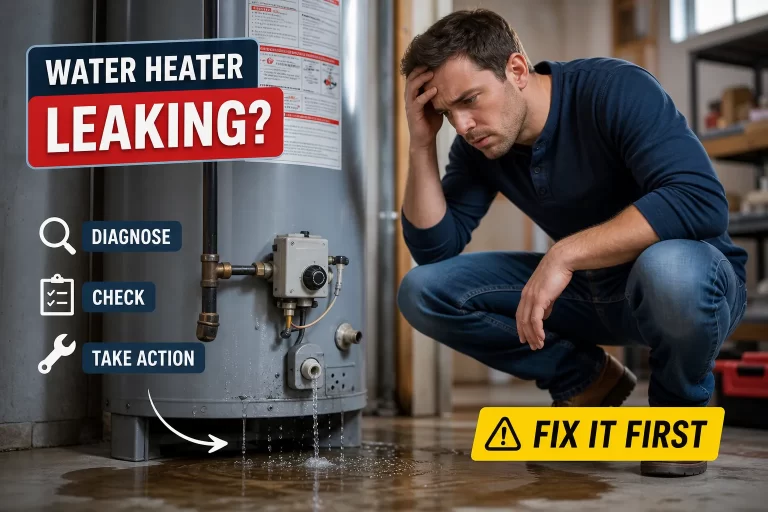
- A water heater leaking or flooding
Issues that can usually wait until business hours: a slow drain, a dripping faucet, minor toilet running, or a single clogged drain elsewhere in the house that isn’t causing active flooding. Waiting saves you the emergency-rate premium on something that isn’t actually urgent.
What to Do Before Help Arrives
- Shut off the water at the main shutoff valve (or the fixture’s local shutoff, if the problem is isolated to one fixture) to stop active flooding.
- If you smell gas, evacuate first — don’t wait for a plumber, call your gas utility or 911.
- Move valuables and electronics away from water if it’s safe to do so.
- Take photos of the damage for insurance purposes before cleanup begins.
What 24/7 Emergency Plumbing Costs
Based on current industry data (Angi), emergency plumbers typically charge 1.5-3x standard hourly rates depending on timing:
- Evening calls: $60–$300/hour
- Weekend calls: $80–$400/hour
- Holiday calls: $120–$600/hour
- Service call / trip fee: typically $150–$300 on top of the hourly rate
Actual job cost also depends on complexity — a simple fix might run $120-$200, while something like a burst pipe or sewage backup can run well over $1,000 once repairs and cleanup are included. Ask for a clear estimate before work begins, even in an emergency.
Is Emergency Plumbing Covered by Insurance?
Homeowners insurance often covers sudden, accidental damage (a pipe that bursts unexpectedly) but typically excludes damage from neglect or a problem that developed gradually without being addressed. Check your specific policy, and keep documentation (photos, the plumber’s invoice describing the cause) in case you need to file a claim.
Choosing a 24/7 Emergency Plumber
Look for a company that’s actually available around the clock (not just claiming to be, then routing you to voicemail), is licensed and insured, and gives you a clear cost estimate — including any after-hours surcharge — before starting work.
Frequently Asked Questions
Should I try a temporary DIY fix while waiting for help?
Shutting off water at the main or a fixture’s local valve is safe and often prevents further damage. Beyond that, avoid attempting repairs yourself on anything involving gas lines or electrical components near water.
Why do emergency rates cost more?
After-hours, weekend, and holiday emergency calls require plumbers to be on-call outside normal business hours — the premium reflects that availability, not just the repair itself.
The 5 Star Plumbing Is Available When You Need Us
Burst pipe, sewage backup, or no hot water at 2am — we’re available 24/7 with clear, upfront pricing before we start.