
Is your bathtub draining slowly? You’re not alone — a slow draining bathtub is one of the most common plumbing complaints in homes of any age. In most cases the cause is a simple hair and soap scum clog you can clear yourself in under 30 minutes. This guide covers why bathtubs drain slowly, a step-by-step DIY fix, how to prevent it from coming back, and the warning signs that mean it’s time to call a licensed plumber instead.
Why Is My Bathtub Draining Slowly?
The most common reason is hair buildup. At the bottom of your drain, there’s a cross-section where hair gets caught and collects over time. This is especially common in tubs that double as showers — and even more so if anyone with long hair uses it regularly.
Over time, that trapped hair mixes with soap scum and body oils and turns into a slimy blockage that slows everything down. The good news? It’s usually easy to remove.
Older homes with galvanized or cast-iron plumbing are also prone to a slow draining bathtub caused by mineral scale and rust building up inside the pipe walls, which narrows the passage even after you clear the visible hair clog. If you notice gurgling sounds coming from other fixtures when the tub drains, or several drains running slow at the same time, the issue may be a partially blocked vent or main line rather than the tub drain itself.
What You'll Need
You don’t need expensive tools. Just grab:
- A flathead screwdriver
- A wire coat hanger (bent into a hook) or a plastic drain snake/hair removal tool (available at dollar stores and hardware stores)
- A pair of needle-nose pliers
- Paper towels or a trash bag (it gets messy!)
Step 1: Remove the Drain Stopper
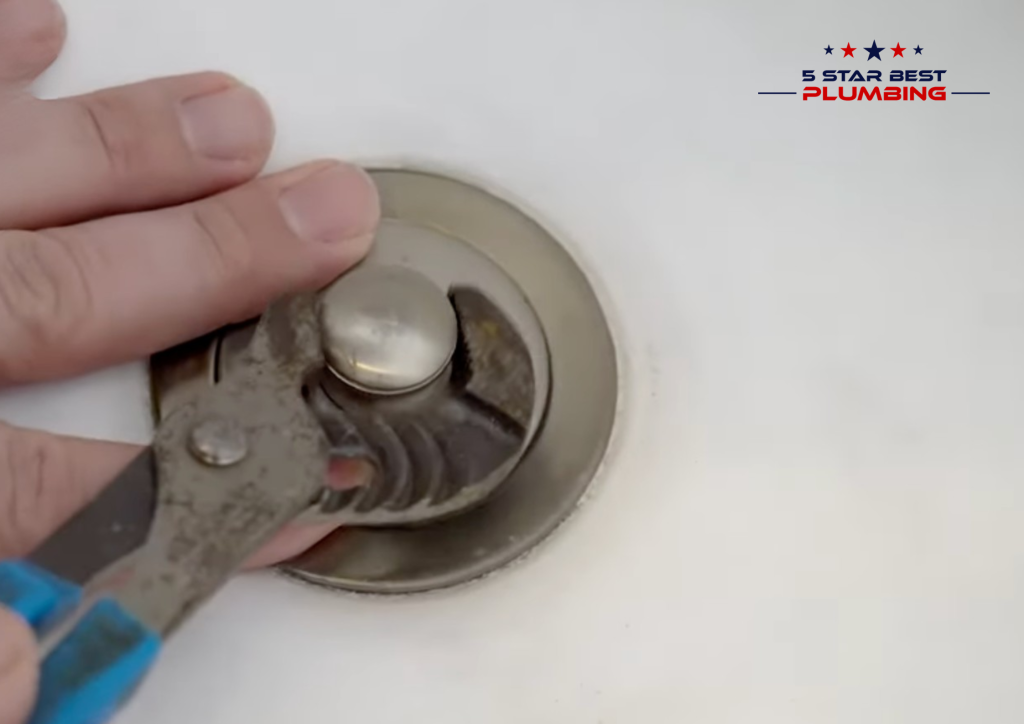
If your drain has a pop-up assembly with a knob on top, unscrew the knob first. Underneath, you’ll find another piece — unscrew that too using your flathead screwdriver. If it’s tight, use pliers to loosen it.
Once removed, you’ll have clear access to the cross-section at the bottom of the drain where all the buildup collects.
Step 2: Pull Out the Hair Clog
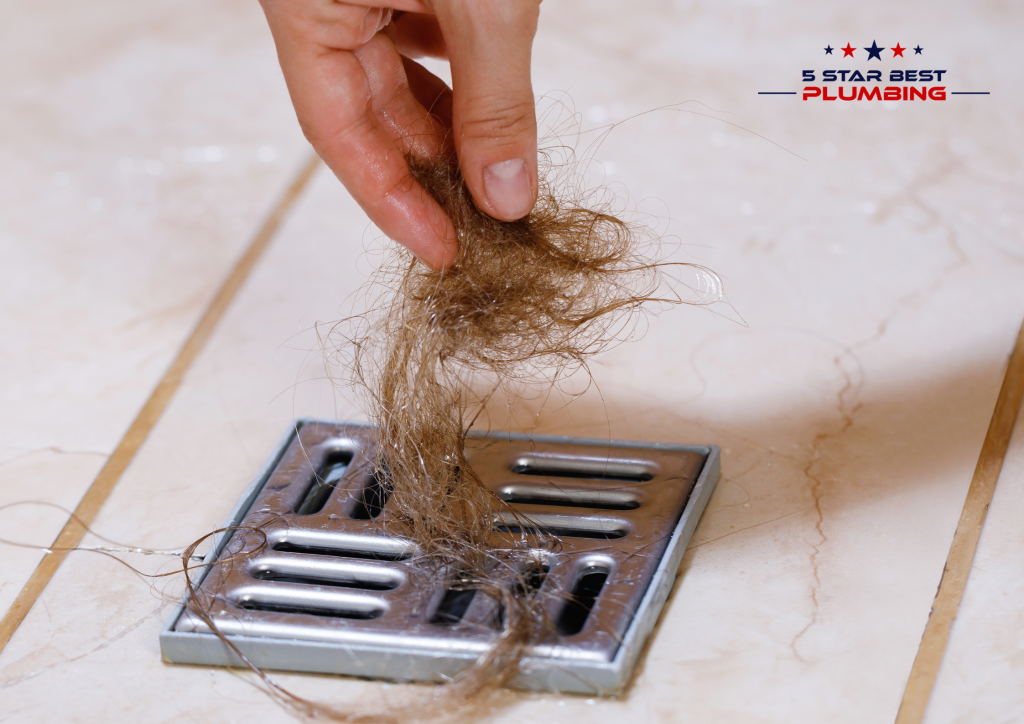
Take a look inside the drain. If you can see large pieces of hair or debris, pull them out by hand first.
Then use your hooked coat hanger or plastic drain tool to fish out the rest. Insert it into the drain, twist, and pull. Don’t be surprised by what comes out — it can be a lot more than you expect, and yes, it will smell.
Repeat this several times until nothing more is coming out.
Pro tip: Be gentle with plastic drain tools — they can snap if forced. If a piece breaks off inside the drain, use needle-nose pliers to carefully retrieve it before continuing.
Step 3: Rinse and Reassemble
Once you’ve removed all the buildup you can see, turn the water back on and let it run. You should notice the water draining much more freely already.
Reassemble the drain stopper by screwing the inner piece back in, then replacing the knob on top.
Step 4: Test the Drain
Fill your tub or use a measured bucket of water and time how long it takes to drain. In most cases, you’ll see a dramatic improvement — sometimes shaving 30 to 40 seconds off the drain time just from one cleaning session.
Still Draining Slowly? Here's What to Check Next
If cleaning the drain didn’t fully solve the problem, the blockage may be further down the line. Here are two things to look into:
- Use a hand auger — A small, manual drain auger (also called a drain snake) can reach deeper into the pipe to break up or pull out clogs in the P-trap or further down the drain system.
- Check the overflow lever — If your tub has a lever on the overflow plate, something may be stuck on the internal plug, or it may need a simple adjustment.
If neither of these solves it, it’s time to call a professional plumber. A deeper clog or pipe issue will need proper tools and expertise to fix safely.
For a stubborn or recurring slow draining bathtub, a licensed plumber can pull the P-trap, run a motorized drain snake, or use hydro jetting to clear scale and roots that a hand auger can’t reach. If your home is older or has mature trees near the sewer line, root intrusion is a common hidden cause of repeat clogs — our drain clog repair service includes a camera inspection to find the exact cause before we recommend a fix.
How to Prevent a Slow Drain in the Future
A little maintenance goes a long way:
- Use a drain hair catcher — This simple tool sits over your drain and stops hair before it goes down
- Flush with hot water weekly — Helps dissolve soap scum before it builds up
- Clean your drain stopper monthly — A quick wipe-down keeps things flowing
- Book a professional drain cleaning once a year — Especially for households with heavy shower use
Skip repeated use of harsh chemical drain cleaners — the U.S. Consumer Product Safety Commission warns that these products can cause serious burns and, over time, corrode older pipes. An enzyme-based cleaner or the hot-water flush above is a safer weekly habit.
Need a Plumber You Can Trust?
Most drain clog visits run under an hour, and a licensed plumber will diagnose the cause — hair and soap buildup, a scaled P-trap, or a root-clogged sewer line — before recommending a fix, so you’re never paying for more work than you need.
If your bathtub is still giving you trouble after trying these steps, our licensed plumbers are here to help. We handle everything from stubborn drain clogs to full pipe inspections — fast, affordable, and done right.
Related reading: Top Drain Maintenance Tips to Keep Pipes Flowing
Contact us today and get your tub draining like new again.
FAQs
What is the most common cause of a slow-draining bathtub?
The most common cause is a buildup of hair and soap scum trapped in the drain stopper assembly. Over time this mixes into a slimy clog that slows drainage. Mineral buildup in older pipes and, less often, a clogged vent or main line can also cause a slow draining bathtub.
Can I fix a slow-draining bathtub myself?
Yes, in most cases. Removing the drain stopper and using a drain snake or hooked wire to pull out hair and debris is something most homeowners can do without special tools. However, if the clog is deeper in the pipe or keeps coming back, it’s best to call a professional plumber.
How do I know if the clog is deeper in the drain line?
If you’ve cleaned the drain stopper area and the tub is still draining slowly, the blockage may be in the P-trap or further down the drain system. Signs include gurgling sounds, bad odors, or multiple drains in your home draining slowly at the same time.
Is it safe to use chemical drain cleaners on my bathtub?
Chemical drain cleaners can work on mild clogs but should be used sparingly. Overuse can corrode and damage your pipes over time — especially in older homes. We recommend trying a drain snake or natural methods like baking soda and vinegar first.
How often should I clean my bathtub drain?
A quick clean every month helps prevent major buildup. Installing a hair catcher over the drain is one of the easiest ways to reduce how often clogs form. For a deeper clean, flushing the drain with hot water weekly is a great habit.