Sewer issues rise after winter because temperature shifts, excess rainfall, grease buildup, and aging pipes collide, making sewer problems early year more frequent and harder to ignore without prompt maintenance.
Key Takeaways:
- Winter weather weakens pipes
- Rain increases system pressure
- Grease and debris accumulate
- Early inspections prevent major damage
Table of Contents
Seasonal Pressure on Underground Infrastructure
As the calendar resets, underground wastewater systems enter one of their most demanding periods. Across residential, commercial, and municipal properties, sewer problems early year emerge with increased frequency due to seasonal stress, environmental shifts, and intensified system use. We observe that infrastructure operating beneath the surface responds sharply to changes that occur as winter transitions into spring, revealing weaknesses that remain hidden during more stable months.
These systems are not static. Pipes expand, contract, settle, and strain under variable conditions. When these changes converge at the start of the year, performance declines rapidly, often without visible warning above ground.
For homeowners concerned about flooding and its impact on pipes, our guide on Sewer Line Problems After Flooding: What to Expect and how to prevent costly damage.
Cold-to-Warm Transitions and Pipe Movement
Temperature fluctuations place measurable stress on sewer lines. Materials such as clay, cast iron, and older PVC react differently to seasonal changes, creating alignment issues and micro-fractures.
Key impacts include:
- Soil contraction followed by sudden expansion
- Pipe joints loosening under repeated thermal shifts
- Increased pressure on aging lateral connections
- Ground movement near foundations and roadways
When these elements combine, system integrity weakens in a short timeframe, accelerating failures that demand immediate attention.
Rainfall Saturation and Soil Instability
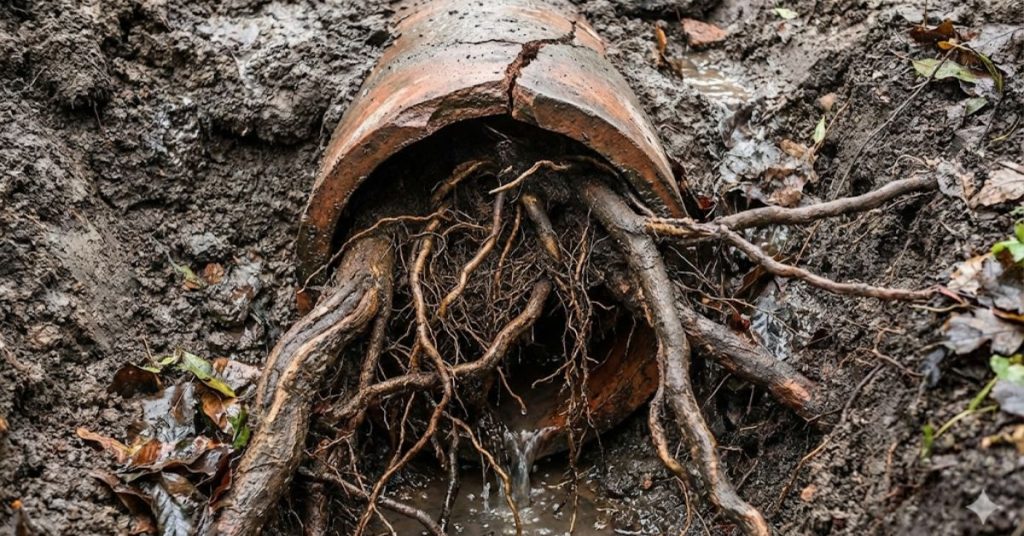
Early-year precipitation introduces additional complications. Saturated soil loses its ability to support underground piping consistently, allowing subtle shifts that lead to misalignment and stress fractures.
Common outcomes include:
- Increased hydrostatic pressure on sewer lines
- Soil washout around pipe bedding
- Tree roots seeking moisture intrusion points
- Reduced drainage efficiency during peak flow
These conditions intensify vulnerabilities already present within older sewer networks. Federal guidance on flooding impacts and risks to water infrastructure highlights how heavy precipitation and floodwaters can contain contaminants, including raw sewage, that strain sewer systems and pose health risks.
Increased Usage Following Holiday Cycles
System demand rises significantly after extended holiday periods. Residential properties experience elevated wastewater output, while commercial facilities return to full operational capacity.
This surge contributes to:
- Accelerated wear on compromised pipes
- Blockage formation from accumulated debris
- Backups caused by restricted flow capacity
- Exposure of latent structural defects
Without early intervention, these stressors escalate rapidly during the first quarter of the year.
Early-Year Warning Indicators We Monitor Closely
Detecting system distress early minimizes disruption and prevents widespread damage. We prioritize identifying indicators that frequently surface during this period.
Warning signs include:
- Recurring slow drains across multiple fixtures
- Unexplained wet patches in yards or basements
- Interior drain gurgling during peak usage
- Persistent cracked sewer pipe smell near foundations
Each signal points to underlying conditions that require professional evaluation before further deterioration occurs.
In addition to structural concerns, exposure to sewage or flood-contaminated water can present serious health risks — a point underlined by the CDC’s safety guidance on floodwater and wastewater hazards, which advises avoiding contact with contaminated water and outlines health precautions.
Material Aging and Legacy Infrastructure Challenges
Many properties continue to rely on sewer lines installed decades ago. These systems were not designed to withstand modern usage volumes or current environmental stress patterns.
Legacy materials commonly affected:
- Clay pipes prone to cracking and root intrusion
- Cast iron lines weakened by corrosion
- Orangeburg pipes collapsing under pressure
- Early PVC joints separating over time
Early-year stress accelerates the decline of these materials, increasing the likelihood of system compromise.
Inspection-Driven Decision Making
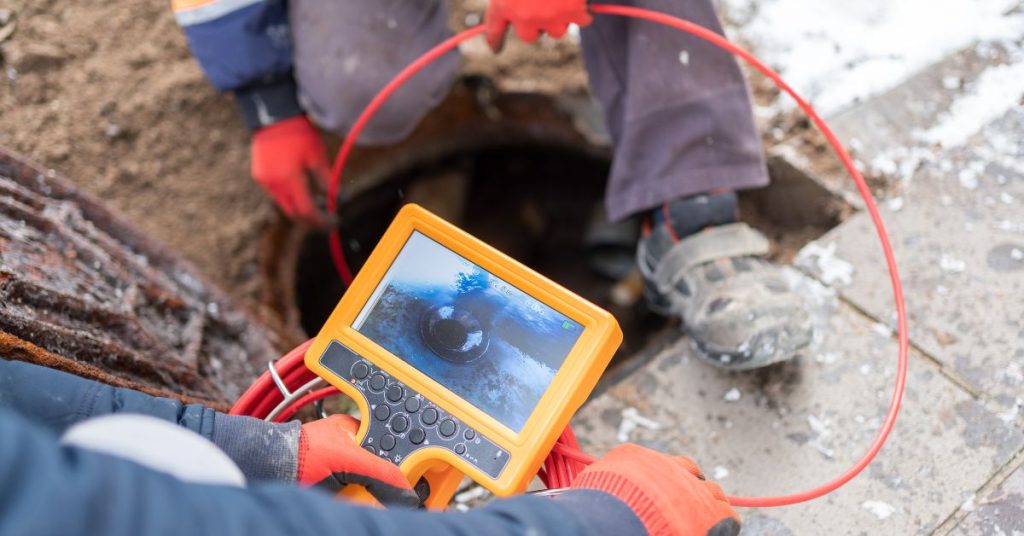
Accurate assessment is the cornerstone of effective sewer maintenance. Using sewer inspections and advanced camera technology, we evaluate pipe conditions internally—without unnecessary digging—so you know exactly what’s happening beneath the surface.
Our inspection process allows us to:
- Identify fractures, offsets, and collapses before they worsen
- Locate blockages and intrusion points quickly and precisely
- Measure pipe slope and alignment for optimal flow
- Document deterioration to guide long-term maintenance plans
- Detect early signs of root intrusion or corrosion, preventing costly damage
By relying on data-driven evaluation, we eliminate guesswork, support informed decision-making, and ensure your sewer system stays reliable year-round.
Targeted Maintenance Versus Structural Intervention
Not all early-year failures require extensive corrective action. Precise diagnostics distinguish between localized defects and systemic deterioration.
Our evaluation process supports:
- Focused sewer repair for isolated damage
- Strategic sewer replacement when structural integrity is compromised
- Preventive planning for high-risk sections
- Budget-conscious prioritization of corrective work
This measured approach ensures durability without unnecessary disruption.
Get your water heater repaired or replaced the same day
Professional Assessment Protocols
A comprehensive plumbing inspection sewer issues framework integrates visual data, performance testing, and environmental analysis. This layered evaluation provides clarity on system health during the most critical period of the year.
Assessment criteria include:
- Flow consistency under peak demand
- Pipe wall condition and thickness
- Joint integrity and alignment
- External environmental stress factors
This methodology reduces uncertainty and supports long-term system reliability.
Regional Trends and Planning Considerations
Across multiple service areas, early 2026 sewer issues reflect a continuation of seasonal stress patterns combined with aging infrastructure. Municipal expansion, increased water usage, and climate variability amplify these effects.
Forward-looking planning emphasizes:
- Early-year inspections before peak rainfall
- Scheduled maintenance during low-demand windows
- Infrastructure upgrades aligned with property lifecycle
- Proactive budgeting for system modernization
Preparation remains the most effective defense against disruption.
Operational Best Practices for Property Owners
We recommend structured monitoring and early engagement to reduce risk during the first months of the year.
Best practices include:
- Scheduling inspections before seasonal demand peaks
- Monitoring indoor and outdoor drainage behavior
- Addressing minor symptoms immediately
- Avoiding chemical treatments that degrade pipes
- Coordinating evaluations after heavy rainfall events
Consistency in these practices significantly reduces emergency incidents.
Who to Call for Professional Sewer Inspection and Repair
Early-year sewer problems can escalate quickly if not addressed. Hidden issues beneath the surface often go unnoticed until they cause structural damage, health hazards, and costly repairs. Acting promptly is essential.
The 5 Star Plumbing offers specialized sewer inspection and repair services designed to tackle these early-year challenges. Their expert approach includes:
- Advanced camera inspections – Detect pipe movement, cracks, root intrusion, and flow restrictions without unnecessary digging
- Data-driven evaluations – Recommendations based on the actual condition of your system, not guesswork
- Tailored solutions – From targeted repairs and preventive maintenance to full strategic replacement when needed
By contacting The 5 Star Plumbing early, property owners can:
- Ensure system reliability throughout the year
- Minimize emergency incidents and unexpected costs
- Protect the long-term value of their property’s infrastructure
Don’t wait—schedule your professional sewer inspection today and safeguard your home before minor issues turn into major problems.
Conclusion: Early Action Is the Key to Sewer System Reliability
Sewer problems early year rarely resolve on their own. Seasonal temperature shifts, increased rainfall, and aging infrastructure place exceptional strain on wastewater systems, making early detection and professional evaluation essential. Addressing minor warning signs promptly helps prevent structural damage, service interruptions, and costly emergency repairs.
The 5 Star Plumbing delivers professional sewer inspection, repair, and replacement services designed to meet the demands of early-year conditions. Using advanced camera inspections and data-driven diagnostics, their team identifies hidden vulnerabilities and recommends precise, cost-effective solutions. Proactive service not only protects property infrastructure but also ensures reliable system performance throughout the year.
Contact us today to book your sewer inspection and stop early-year sewer problems before they turn into expensive repairs.
FAQs
What causes sewer problems early in the year?
Seasonal temperature shifts, rainfall, soil movement, and increased post-holiday usage all stress sewer systems. Aging pipes are particularly vulnerable.
How can I prevent sewer backups after winter?
Schedule inspections, monitor drains, avoid flushing grease, and address slow drains promptly.
When should I schedule a sewer inspection?
Early in the year before peak rainfall or after heavy snowmelt is ideal.
What warning signs indicate sewer line issues?
Slow drains, gurgling sounds, wet patches, or foul odors near foundations are early indicators.
Are camera inspections necessary for old sewer lines?
Yes. They allow precise diagnosis without costly excavation and help plan targeted repairs.